


Top-rated drywall pros.

Get matched with top drywall pros in Quinton, NJ

Enter your zip and get matched with up to 5 pros

Need a pro for your drywall service project in Quinton, NJ?

Select your specific project to find the pro for you.

Find Drywall pros in Quinton

Avatar for AAA Construction Group LLC
AAA Construction Group LLC
5.0(
1
)
Drywall - RepairDrywall - Repair - For Business

Serving Quinton, NJ and surrounding areas

Approved

In business since 2020

Free estimates

Emergency services offered

At AAA Construction Group LLC, we take great pride in our experience, expertise, quality and customer service that we provide to meet the consumers needs. It is our mission to provide excellent workmanship and complete customer satisfaction from start to completion of a project. In order to understand the needs and expectations of our customers, we take great care to work and communicate with every customer in a professional manner. Our reputation is based on service, safety and quality, regardless of how large or small the job.

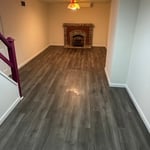
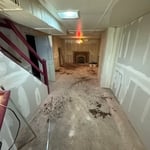
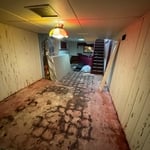
After
Drywall & Plaster
Demolition
Damaged Insulation
Vacuum

+3

Response time9 hrs
6 neighbors recently requested a quote
Doyle Drywall Co
4.7(
137
)
Drywall - InstallDrywall - Install - For BusinessDrywall - Repair+1 more

Serving Quinton, NJ and surrounding areas

In business since 1995

Free estimates

"Due to below freezing temperatures this winter, I had a pipe in my garage burst (the pipe was garage facing, not behind the walls). While I was thankfully home when this occurred and shutoff the water within 10-15 minutes, portions of my drywall got soaked, leading to cosmetic damage. However, I wasn't sure if a longer term consequence of major structural damage or mold would occur. After inspecting the drywall, Larry saw no indication of mold or major structural damage (3 months after the incident), and gave me a few suggestions on how to fix the cosmetic damage by making a quick Home Depot run. Larry could easily have quoted me to gut and replace an entire wall's worth of drywall, but instead, walked me through a fairly inexpensive DIY fix and told me to give him a ring back if anything changed over the summer. I would absolutely recommend Doyle Drywall."
Recommended by95%of homeowners
...
Showing 1-10 of 241
Drywall questions, answered by experts

In some minor cases, you can DIY drywall repair with minimal time and money spent. This method is best when you have a hole made by a singular problem, such as accidental furniture moving, and not a continuous problem, like a rodent infestation. 

Knowing what product to use is crucial. For example, small holes only need spackle, whereas large holes might need a new piece of drywall. You can flex your DIY abilities on this project, but if you’d like a second opinion or have a more significant problem, it’s best to call in a drywall repair pro.

Yes, it is possible to rewire a house without removing the drywall, but this doesn’t work in all homes. You can pull out old wires and insert new ones if you have access to the wiring system via the ceiling or through a crawl space. Some pros can also use a magnetic kit to fish the old wire out of the wall through a hole cavity and install the new wires. Just keep in mind that doing this is less stable than removing drywall, as you won’t be able to staple the wires into the framing.

Although they are used for similar tasks, spackle and joint compound are not the same. Joint compound, also known as drywall mud, consists of limestone and gypsum and is primarily used for large-scale projects like taping and finishing seams on new drywall. Spackle is composed of gypsum and binding agents, making it a thicker compound best suited for small wall repairs like filling nail holes or cracks, as it dries quickly and is easy to sand. For small repairs, either product can be suitable. However, you can use joint compound for small jobs in place of spackle, but you cannot use spackle for large-scale taping and mudding projects.

Although they have similar applications, spackle and joint compound are not the same. Their primary differences lie in their composition, consistency, and ideal use cases.

Spackle is composed of gypsum and binding agents, making it thicker than joint compound. It dries quickly and is easy to sand, which makes it ideal for small wall repair projects like filling nail holes or patching minor damage.

Joint compound, also known as drywall mud, consists of limestone and gypsum. It is primarily used for large-scale projects, such as taping and finishing the seams on newly installed drywall. It tends to shrink more than spackle and can be more difficult to spread.

While both products can be used to fill small depressions and cracks, spackle cannot replace joint compound for taping and mudding new drywall. Conversely, you can often use joint compound for small patching jobs typically done with spackle.

There shouldn’t be any gaps between your walls and ceiling. These can be fixed with joint compound but that is only a fix, and it’s much better if your drywall fits correctly in the first place. Sometimes gaps can appear if your foundation shifts significantly but if this is the case, you have a much bigger problem than patching drywall.

The Quinton, NJ homeowners’ guide to drywall services

From average costs to expert advice, get all the answers you need to get your job done.