

Top-rated deck cleaning pros.

Get matched with top deck cleaning pros in Piscataway, NJ

Enter your zip and get matched with up to 5 pros

Need a pro for your deck cleaning project in Piscataway, NJ?

Select your specific project to find the pro for you.

TRUSTED BY PISCATAWAY, NJ HOMEOWNERS

  • Average homeowner rating star icon4.5
    Average homeowner rating
  • Verified reviews icon218
    Verified deck cleaning services reviews

Find Deck cleaning pros in Piscataway

...
Showing 1-10 of 264
Deck Cleaning questions, answered by experts

Applying too much sealer to a deck might seem like extra protection, but it can cause more harm than good. Wood is a porous material with a limited capacity to absorb liquids. When you go overboard with sealer, the excess can't soak in and instead forms a film on the surface. This leftover layer is prone to peeling, cracking, and trapping moisture, ultimately defeating the purpose of sealing in the first place. 

When building an outdoor or deck gate, it's crucial to use durable wood that can withstand harsh weather conditions like sunlight, rain, wind, and snow. Redwood and cedar are excellent choices as they naturally resist decay. While redwood is considered more elegant, cedar is a more affordable option. Other suitable woods include oak and pressure-treated pine, which is specifically treated to resist rot. Although some softwoods like pine are popular, untreated softwoods such as pine and spruce should generally be avoided for outdoor projects because they are susceptible to damage from water, rot, and the sun. Ultimately, it's wise to consider your local climate when selecting the right wood for your gate.

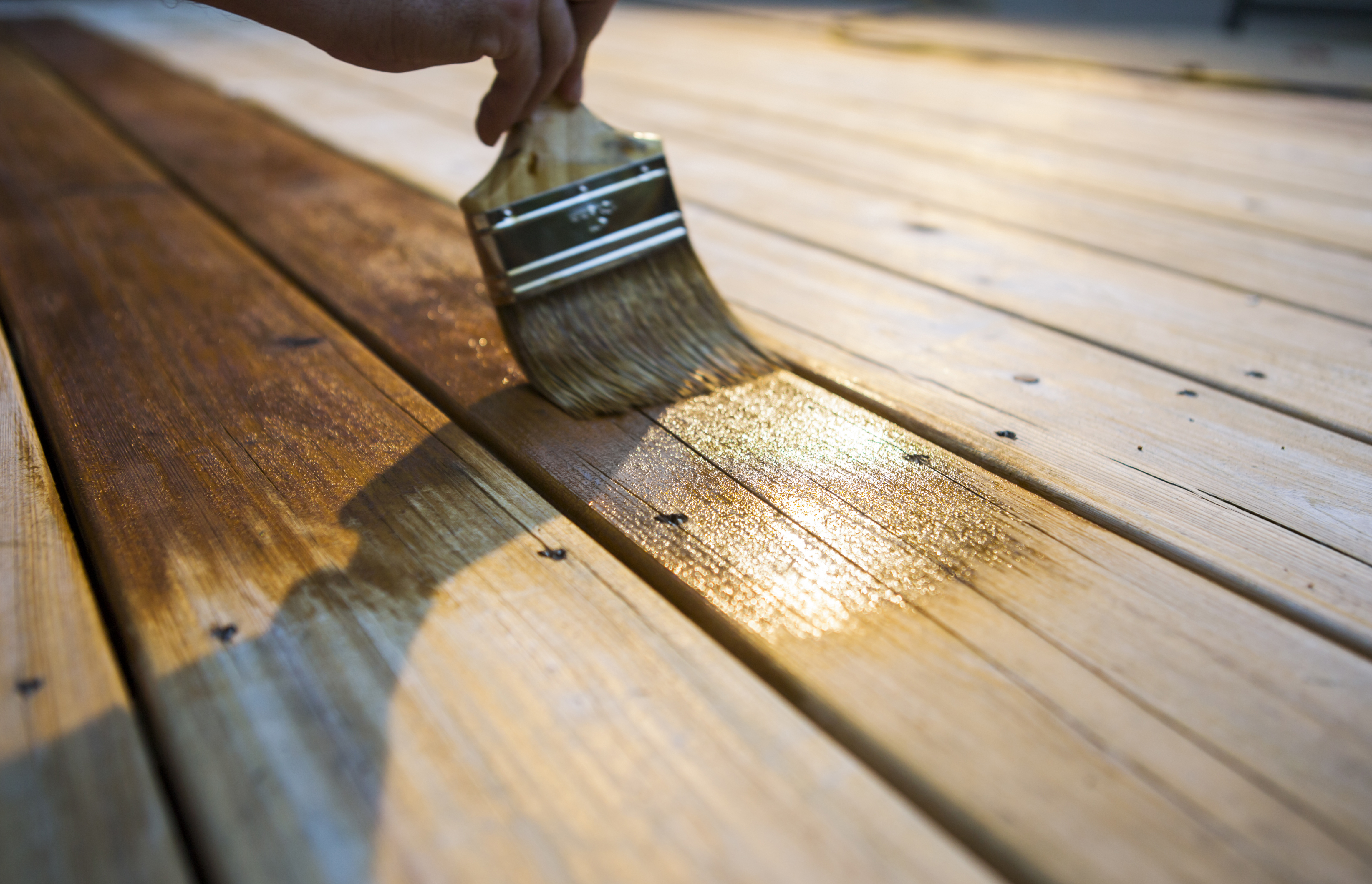
There are more pros than cons when staining a deck. Deck stain is more affordable than paint, it protects the wood and allows the natural textures to shine through, and it can revive the appearance of your home. However, deck stain also requires prep work (sometimes days or more), carries more upkeep than a painted deck, and can fade over time if not cared for. 

The choice between Trex, a brand of composite decking, and PVC decking depends on your priorities regarding budget, appearance, and environmental impact. Both materials are durable and resistant to moisture and insects. Trex is often considered more eco-friendly because it contains recycled wood and plastic and is 25% recyclable, while PVC is fully synthetic and harder to recycle. Aesthetically, Trex is designed to look more like real wood, whereas PVC often has a glossier, more plastic-like finish. In terms of cost, Trex is typically less expensive than PVC.

Yes, Ipe is more expensive than Trex decking—both in terms of materials and installation (plus, Ipe trees are endangered). On average, Ipe decking costs $10 to $25 per square foot, while Trex decking costs $5 to $12 per square foot. Because Ipe is harder to work with, the price of installation is higher, too. For Ipe decking, you’ll pay between $20 and $45 per square foot for labor. However, with Trex decking, the labor costs range from $8 to $22 per square foot.

The Piscataway, NJ homeowners’ guide to deck cleaning services

From average costs to expert advice, get all the answers you need to get your job done.