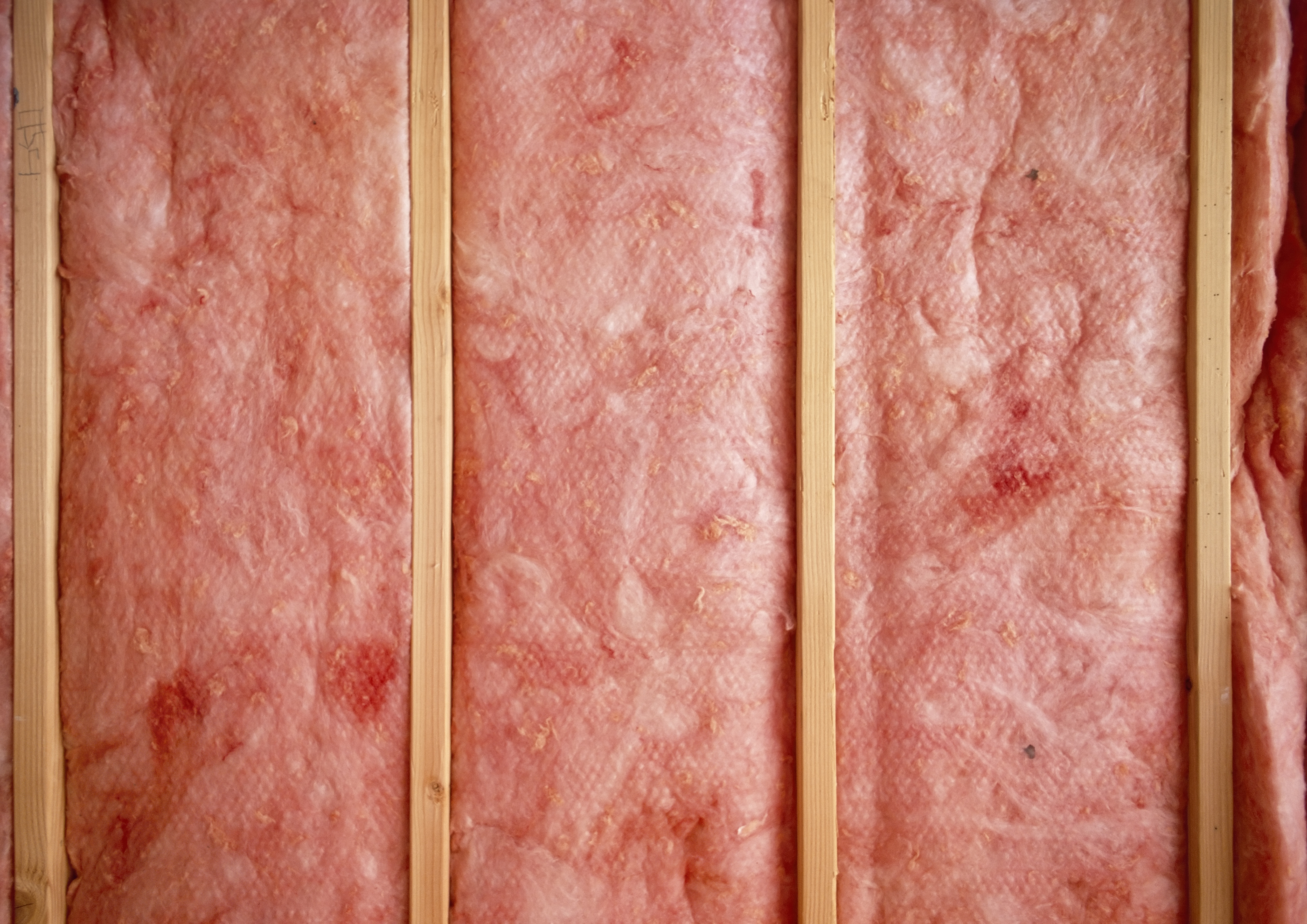
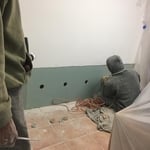
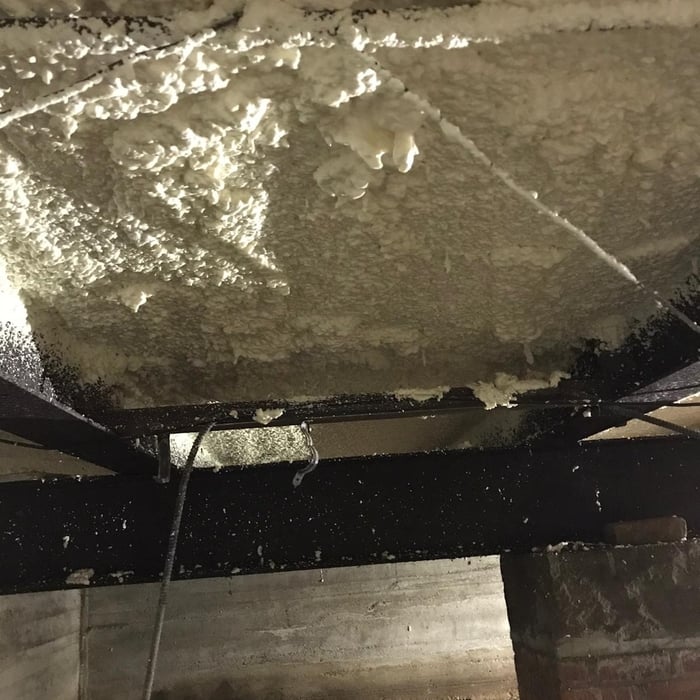
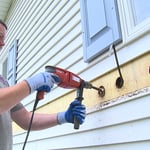
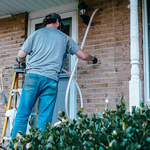
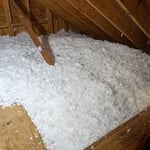
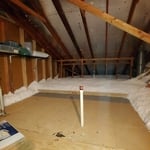
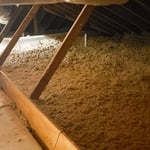
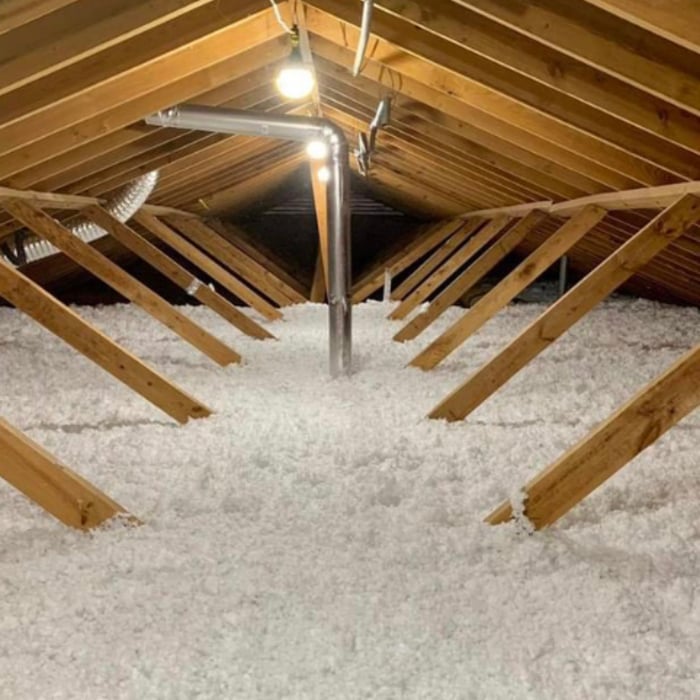
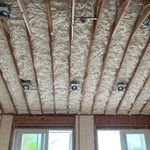
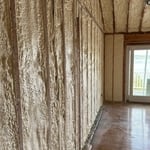
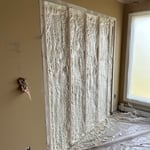
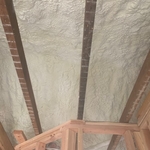
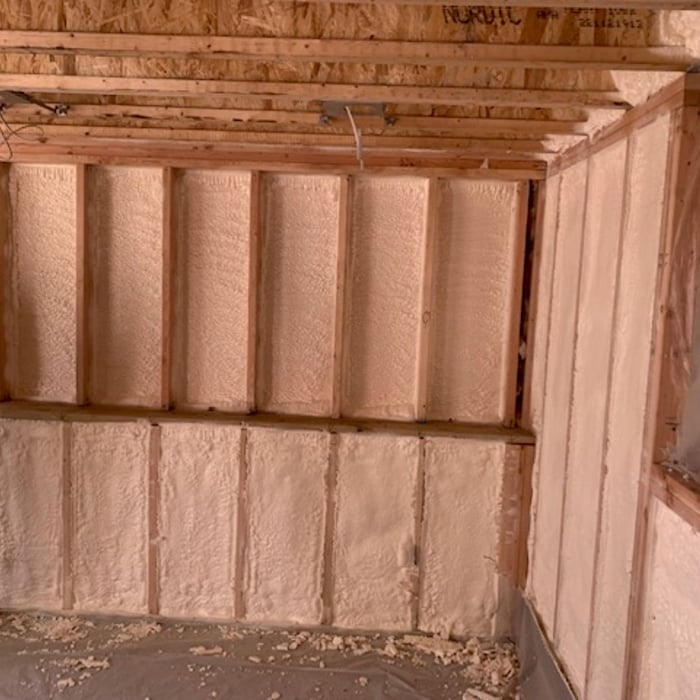
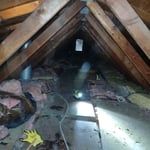
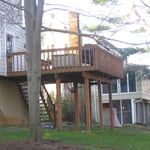
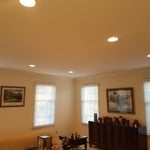
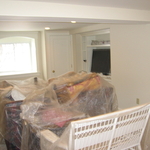
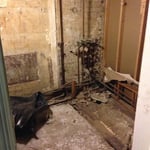
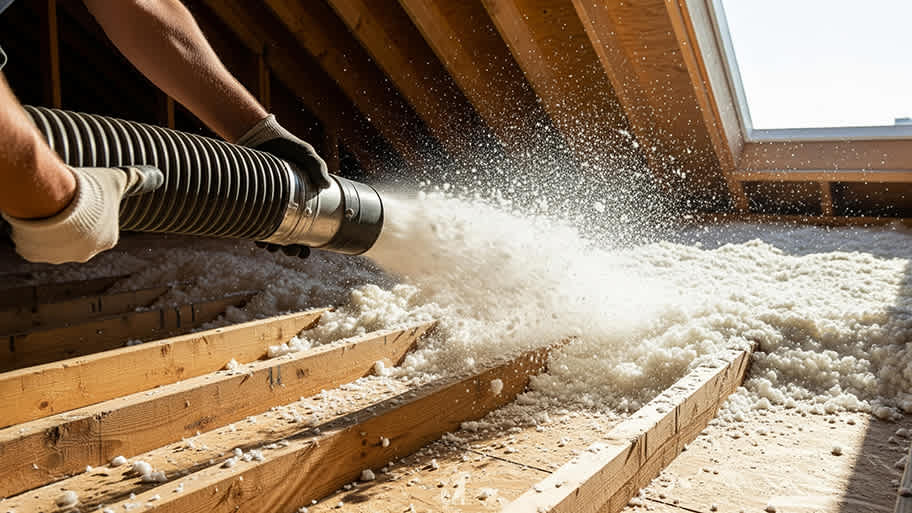
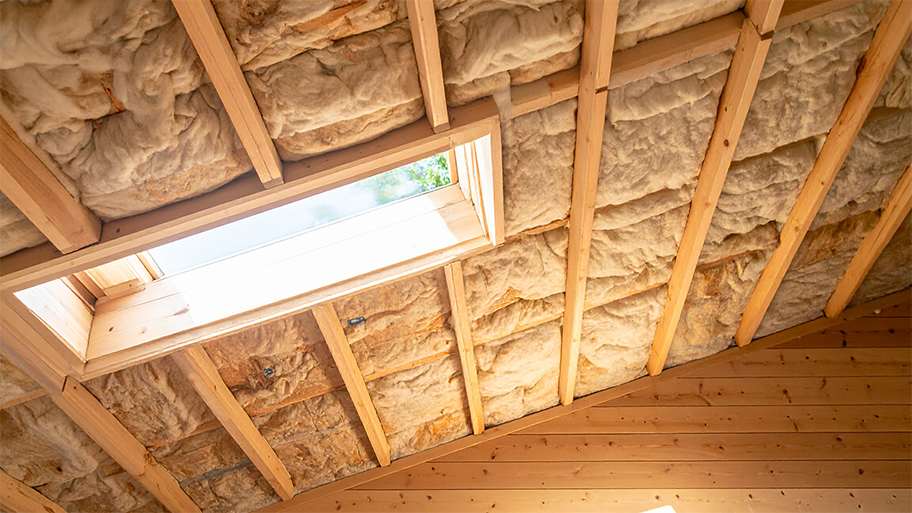
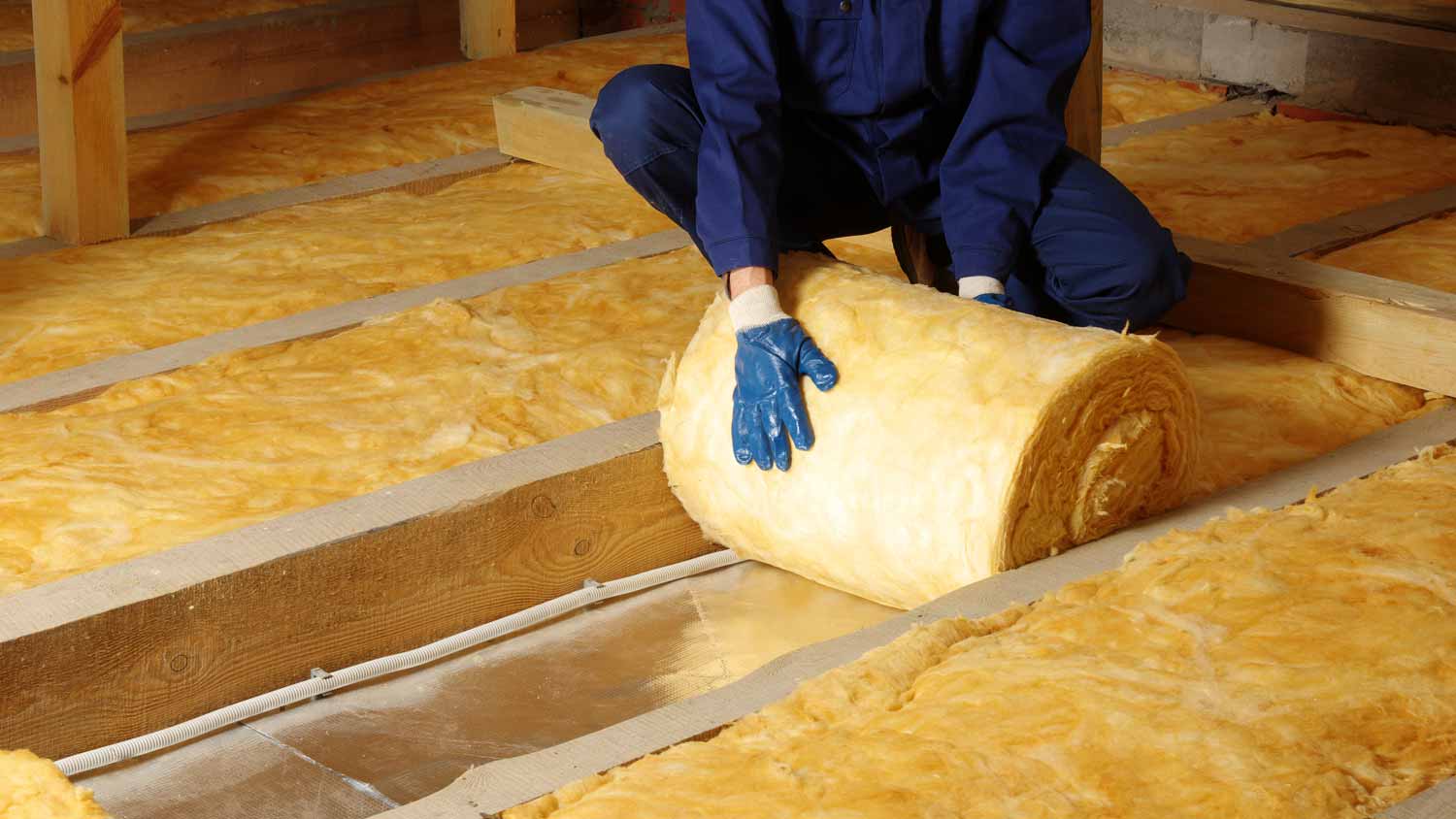
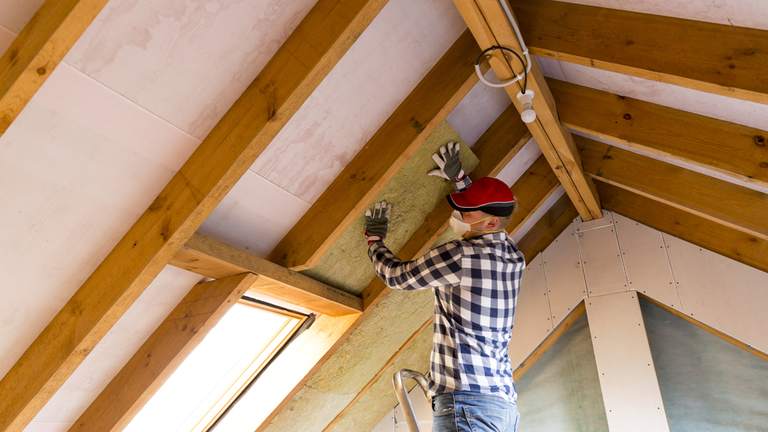
"We are extremely satisfied with the whole process of our house being insulated. First we had the walls done, and then a couple weeks later we had our attic insulated. The crew were so nice, friendly, and knowledgeable. We are very satisfied with everything. Thank you, everyone."
"We hired Mark and his team to install new spray foam insulation in our attic to meet the higher demands and code compliance required that you can not get with old style bat insulation. The spray foam sealed all of the leaks we had and made our home less drafty. They also put in new solar attic fans to keep the heat down so our HVAC did not have to work so hard. Great Job Koala!"
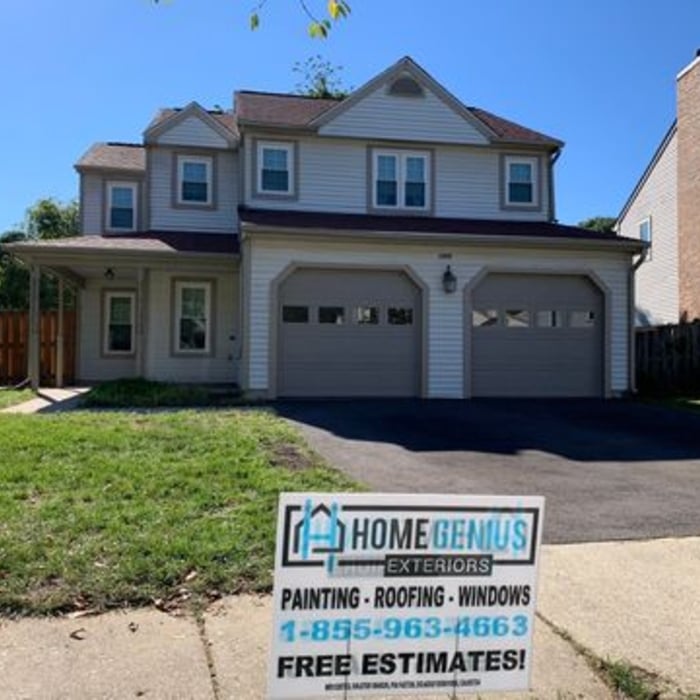
"The job was very well done. Gustavo and his crew were EXCELLENT. Dealing with the project Manager Taylor was EXCELLENT. One of a kind company. A unique feature that was used for installation was the inclusion of BOTH Sanford insulation and housewrap. I have not had another contractor offer me both of those. It’s always either one or the other. Home Genius is backed by the better business bureau and is a James Hardie certified installer for those looking for one."
Welcome to Atticrawl, LLC \nWe pride our company on reliability, great communication, integrity, and quality work. We are experts in our trade and will do our best to keep you as educated as we can on your particular task or project. We look forward to earning your business!
"I purchased a multifamily house with 2 stories. The 2nd floor had 1 inch original hardwood from 1920 that laid on the floor joists so you could hear every footstep downstairs and my tenants almost moved out. I hired Cesar to take on a tedious and technical ceiling soundproofing technique for the apartment using RSCI rubber clips, hat channels, insulation, and making the 1st floor airtight. I was so impressed with how he was able to juggle handling my tenant for 2 weeks, compensating for delayed shipping by driving 3 hours to New York and picking up the materials himself to make sure we meet the deadline, redoing 1 entire room at his loss and not charging me for it because the original technique we tried did not work, and listening and working with me to make sure we didn't miss any details that would cause sound transfer (and this was impressive because I am very detail oriented). My tenants moved in and were very impressed by the finished looked of the new ceilings and crown molding. We saw a sound improvement of about 15 STC in both airborne and impact noise. It cut down sound transfer by 2/3 in the 1st floor apartment. I will be adding rubber underlayment upstairs underneath the new flooring to completely block out the rest of the impact noise that transfers from the floor above to the walls downstairs that support it! I'll be calling Cesar and his crew again."
Score Spray Foam is a family based business with over 50 years of experience in the construction business! Come to us for your insulation needs. There is no job to big or small.
The best time to insulate a garage ceiling is when the weather is mild and dry. That means it shouldn’t be stormy, snowy, or raining, and the temperatures should be comfortable. Ideally, you’ll insulate your garage ceiling in the fall, before winter hits. Not only will you be the most comfortable, but you’ll also likely see the greatest energy savings heading into the colder weather with a newly insulated garage.
The primary purpose of insulation is to maintain comfortable temperatures in a home, whether that’s cool air when it’s hot out, or warm air in winter, but that’s not all it can do. All options will also minimize heating and cooling needs, lowering both your carbon footprint and energy bills in turn. And some options, like rigid foam boards, even offer soundproofing benefits, too.
Each of the three types of wool insulation has particular disadvantages. While their R-value is higher, they all cost more than fiberglass versions. Installing mineral wool and sheep wool requires protective gear. Because of its vulnerability to insects, chemicals are used in its production. Hemp wool is more costly to install than other types because additional tools and labor are involved.
Natural fiber batts and spray foam insulation both work great for soundproofing. Newer materials, such as hemp batts, are more expensive but more effective for insulation and sound blocking. They are also more sustainable. There is also a professional system called Blow-In Blanket Insulation (BIBS) that is soundproof and moisture-resistant. However, BIBS must be installed professionally and can be a costly investment.
EIFS (Exterior Insulation and Finish System) siding can last from 20 to 60 years, with some properly maintained systems lasting even longer. The exact lifespan depends heavily on several factors, most notably the quality of the initial installation and the consistency of maintenance.
Factors that can shorten the life of EIFS include:
Improper or poor-quality installation
Moisture intrusion
Damage from high winds, storms, or hail
Damaged flashing and sealant
Lack of regular maintenance and unfixed damage
To maximize the lifespan of your EIFS, it is crucial to hire an experienced and qualified professional for the installation. Additionally, regular maintenance—such as cleaning, repairing small cracks or blisters, and having the system professionally inspected—will help identify and resolve issues quickly, preventing long-term damage.
The Maywood, NJ homeowners’ guide to insulation services
From average costs to expert advice, get all the answers you need to get your job done.
The cost of blown-in insulation in New York, NY varies depending on the type of insulation, labor, prep work, and more. Learn more about the cost factors in this guide.
New insulation makes your home more comfortable and boosts energy efficiency. Use this guide to budget for insulation installation costs in New York, NY.
Insulating your attic can improve your home’s efficiency and reduce electric bills. Use this guide to find out what attic insulation will cost you in New York, NY.
What is insulation? This behind-the-scenes home fixture will maintain comfortable temperatures in your home no matter the season. It’ll lower energy bills, to boot.