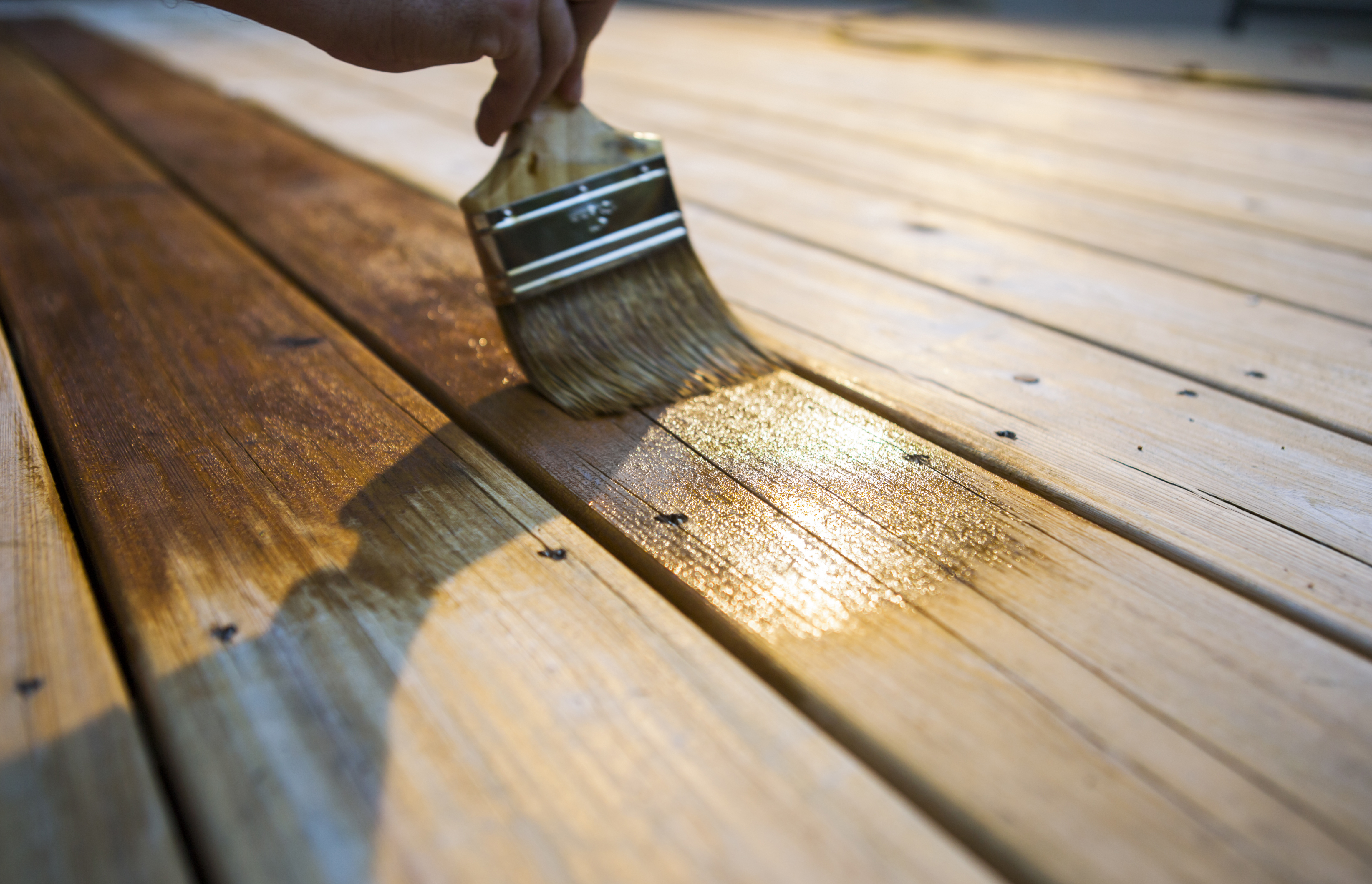
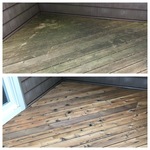
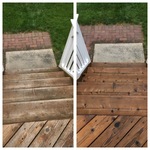
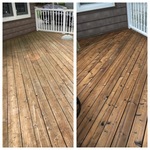
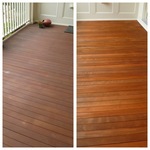
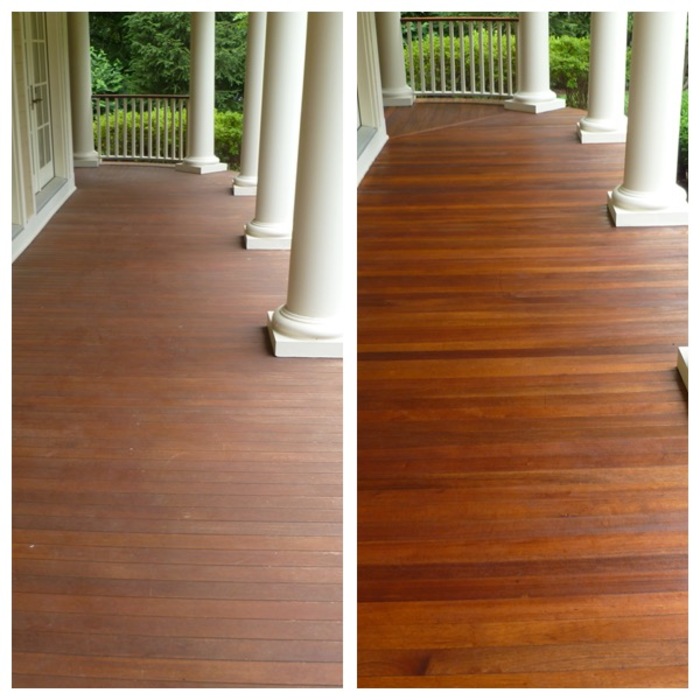
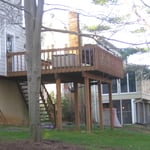
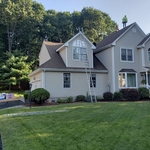
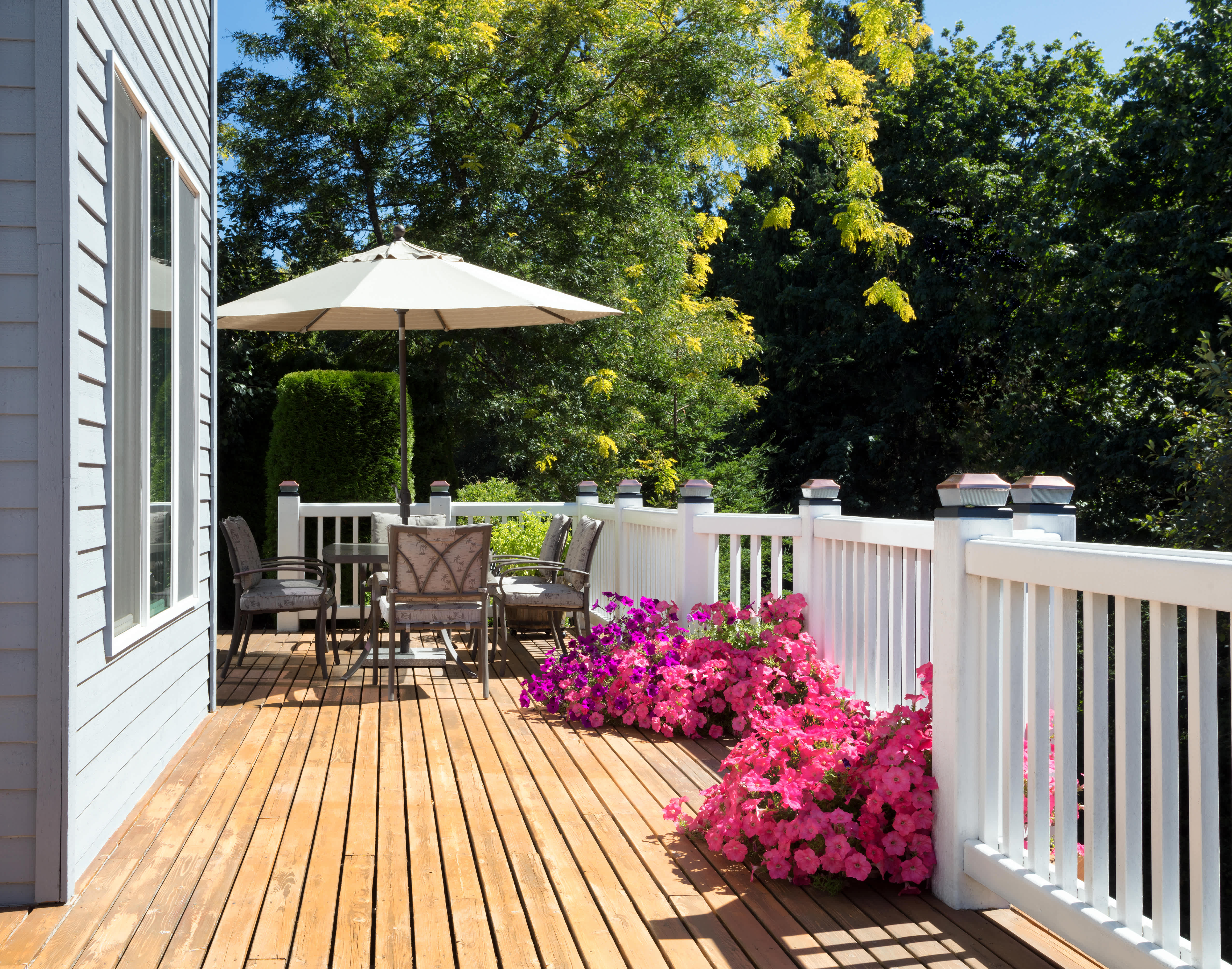
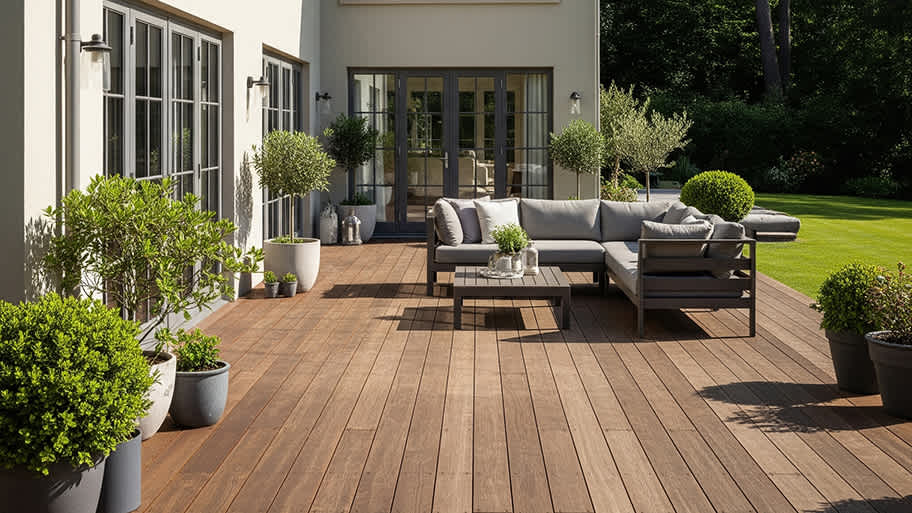
"I can't say enough good things about this company. Robert and Tim went above and beyond for me. I had my large deck power washed and stained. the first time with professionals. they came on time and completed the job in the specified time. I will certainly use this company again, and recommend them to others."
"This is a highly professional company. They replaced boards that were needed on my deck. They also stained the deck. It looks fabulous! I highly recommend them!"
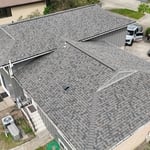
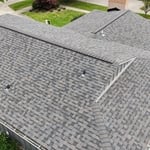
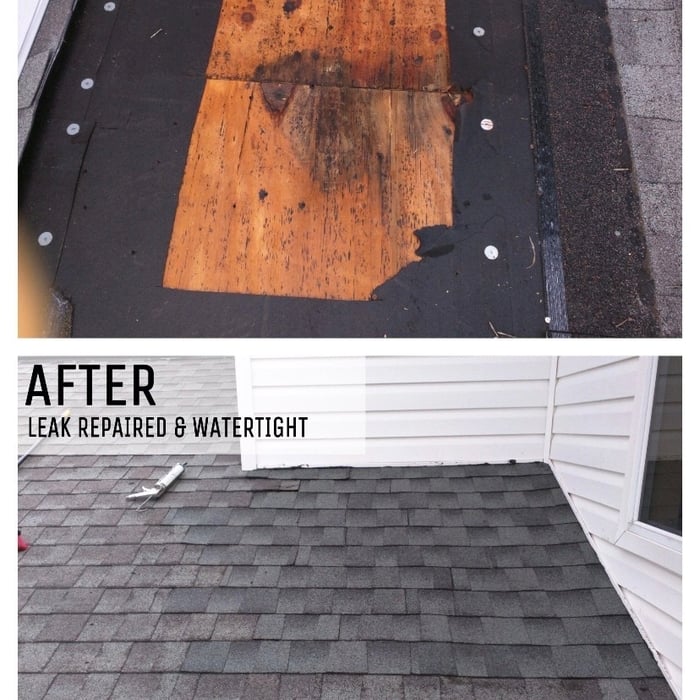
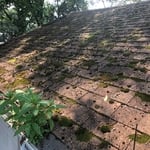
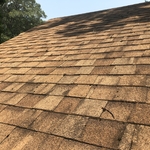
"Needed a few damaged shingles repaired after some bad weather. The team at ExteronRx did a great job and the price was reasonable. Professional from start to finish."
"We have had Cesar for many projects over the last 10 years. Bathrooms, bedrooms , roof, deck, shingle replacement, interior and exterior painting. I wouldn't use anyone else for my major and minor home repair."
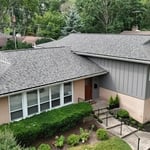
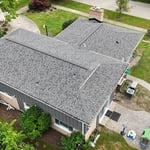
"They did a fantastic job. We needed a new roof and they went the distance working with our insurance company. They arrived with a HUGE crew and knocked it out in a very long day. They came back and took care of issues with our gutters and downspouts. I highly recommend them. They came back several times to make sure everything was done correctly including picking up all loose nails. Great job"
Ideally, a gate should be able to swing both in and out. However, if it can only open in one direction, it is generally best for it to swing inward. This is often the safest option, especially for deck gates near steps, as you'll want the gate to swing away from the stairs. An inward swing also prevents the gate from opening into a public space, like a sidewalk, and can be more convenient when carrying heavy items like a wheelbarrow into a garden.
There are exceptions, however. The layout of your property may require a different approach. For example, if your property is on a slope, the gate may not be able to swing inward. You should also ensure the gate can open fully without colliding with any objects or blocking access to other areas. For a backyard garden gate where public access isn't a concern, the direction it swings is largely a matter of personal preference. Finally, always check your local building codes, as they may have specific requirements for which way a gate must swing.
For the best results, stay off of your deck for at least 48 hours after sealing it. Giving the sealant at least two full days to cure ensures it can fully penetrate the wood, giving you the most protection from sun and weather damage later on. Walking on the deck too soon can prevent it from properly curing and cause your deck to weather prematurely.
Building codes for deck railings can vary by location, so it's important to consult your local regulations before construction. Generally, a guardrail is required for any deck that is more than 30 inches above the ground.
For residential properties, the standard minimum height for a deck railing is 36 inches. However, some states and municipalities have stricter requirements; for example, California and Washington mandate railings that are at least 42 inches high. Therefore, a 42-inch railing is not considered too high and may be required in your area or chosen voluntarily for additional safety.
In addition to height requirements, codes also specify other safety features, such as the maximum spacing between balusters to ensure they are close enough to prevent a child from squeezing through.
Yes, it is generally safe to have a fire pit on a deck, but you must adhere to building codes and take several safety precautions. For both built-in and freestanding models, you must use a heat-resistant barrier, such as a fire pit pad or heat shield, between the pit and the deck. Additionally, consider the weight of the fire pit and ensure your deck can structurally support it, reinforcing it if necessary. The fire pit must also be positioned a safe distance from your house, particularly from materials like vinyl siding, to prevent heat damage.
Yes, designing builds to fit space constraints and meet functional needs.
The Glen Ridge, NJ homeowners’ guide to deck maintenance services
From average costs to expert advice, get all the answers you need to get your job done.
Thinking about adding a deck to your home? Explore this guide to learn about the average cost to build a deck in New York, NY, based on factors like size, material, and labor.
Deck maintenance is vital to protecting a wooden deck. Cleaning, staining and sealing a deck after pressure washing will add years to its lifespan. Protect a deck by following these deck maintenance tips for cedar and other types of wood materials.
Finding maintenance-free decking that works for your home, budget, and lifestyle can be challenging. This guide lists the 7 best low-maintenance deck materials.