




Top-rated drywall pros.

Get matched with top drywall pros in Cliffside Park, NJ

Enter your zip and get matched with up to 5 pros

Need a pro for your drywall service project in Cliffside Park, NJ?

Select your specific project to find the pro for you.

TRUSTED BY CLIFFSIDE PARK, NJ HOMEOWNERS

  • Average homeowner rating star icon4.6
    Average homeowner rating
  • Verified reviews icon84
    Verified drywall services reviews

Find Drywall pros in Cliffside Park

Avatar for Rite-Way Home Improvements
Rite-Way Home Improvements
5.0(
49
)
Drywall - Repair

Serving Cliffside Park, NJ and surrounding areas

Approved

In business since 2020

Free estimates

Emergency services offered

"Very impressed with the care taken and quality of their work. They repaired water damage to my kitchen ceiling and now it looks brand new. Very courteous and professional. Would definitely hire them again."
Response time3 hrs
Response rate100%
248 neighbors recently requested a quote
Avatar for Mayron Painting Services
Mayron Painting Services
5.0(
41
)
Drywall - RepairDrywall - Repair - For Business

Serving Cliffside Park, NJ and surrounding areas

Approved

In business since 2010

Free estimates

Small jobs welcome

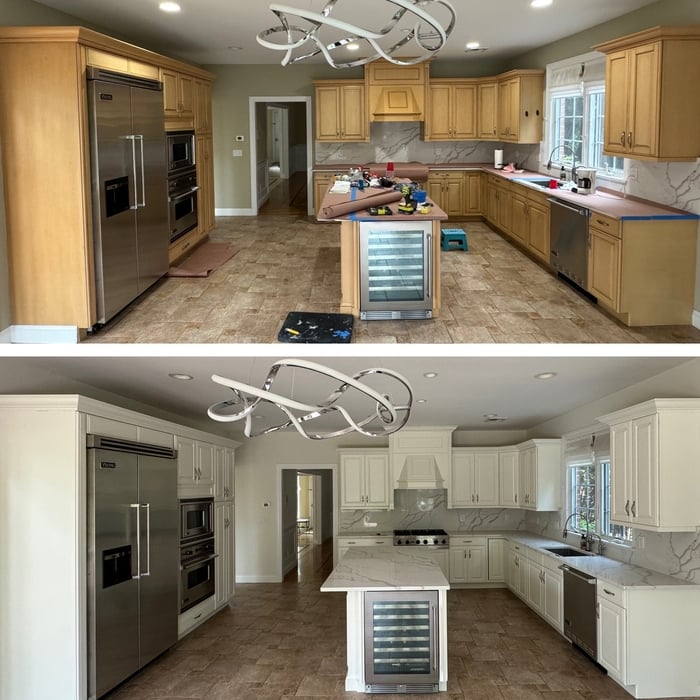
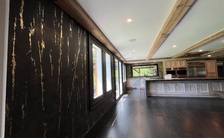
"I had the pleasure of hiring Mayron to restore my water-damaged kitchen. Their professionalism, attention to detail, and excellent craftsmanship surpassed all expectations. They seamlessly put walls and cabinets back together, installed new lighting and tile, and painted with precision. Impressed with their work, I also had them redo my bathroom. The team was punctual, friendly, and their exceptional skills made the entire process stress-free. I highly recommend this painter for top-notch painting, and renovation services."
Professional Finish
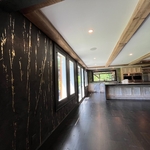
Venetian Plaster and Gold Leaf
White railing
Orange Tone
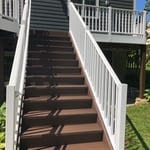
Blue Railing and stairs

+28

Response time11 hrs
Response rate85%
4 neighbors recently requested a quote
...
Showing 1-10 of 691
Drywall questions, answered by experts

There are six levels of drywall finish, from 0 to 5, that refer to the amount of work performed during the finishing process.

Level 0: Drywall is hung with no finishing work.

Level 1: Tape is placed over the seams between drywall sheets.

Level 2: A thin layer of mud is applied over the tape and screw holes. This level is common for utility rooms or walls that will be covered.

Level 3: A full coat of mud covers the screw holes and tape, but the surface is not sanded. This is often used in garages.

Level 4: This is the most common finish for visible interior walls. It involves applying two coats of mud over seams and screw holes, with sanding between each coat, creating a smooth surface ready for flat paint.

Level 5: This is a high-end finish for luxury homes. It includes full taping, mudding, and sanding, plus a final skim coat over the entire surface before painting.

Yes, you can use drywall repair techniques for some types of plaster damage. Tiny holes and small cracks in plaster can be patched in similar ways to drywall. You apply the necessary compound to fill the hole, wait for it to dry, then sand it down. For larger damage, like water damage or mold, you need to use plaster-specific techniques and materials.

It is possible to apply plaster on the interior or exterior of your home, but we don’t recommend it. Plaster is easy to apply in theory, but in reality, it can be a challenging material to work with, and it’s difficult to get the finished product to look clean, even, and smooth. Many DIYers end up calling in a professional afterward to touch up the area or even redo it entirely because of mistakes they made in the process. Hiring a plaster pro will cost more, but it’s usually the best option to achieve high-quality results.

Although they are used for similar tasks, spackle and joint compound are not the same. Joint compound, also known as drywall mud, consists of limestone and gypsum and is primarily used for large-scale projects like taping and finishing seams on new drywall. Spackle is composed of gypsum and binding agents, making it a thicker compound best suited for small wall repairs like filling nail holes or cracks, as it dries quickly and is easy to sand. For small repairs, either product can be suitable. However, you can use joint compound for small jobs in place of spackle, but you cannot use spackle for large-scale taping and mudding projects.

Yes, you can apply new plaster over an existing plaster surface, such as a wall or ceiling, provided the old plaster is in good condition. Before you begin, check the stability of the existing plaster. The surface must be clean, free of loose material, and have no peeling paint. It is also recommended to roughen the surface slightly to promote adhesion. For older plaster, applying a base coat like a PVA emulsion or a specific bonding agent or primer is crucial. This step makes the existing plaster less porous and ensures the new and old layers adhere properly for a smooth, long-lasting finish.
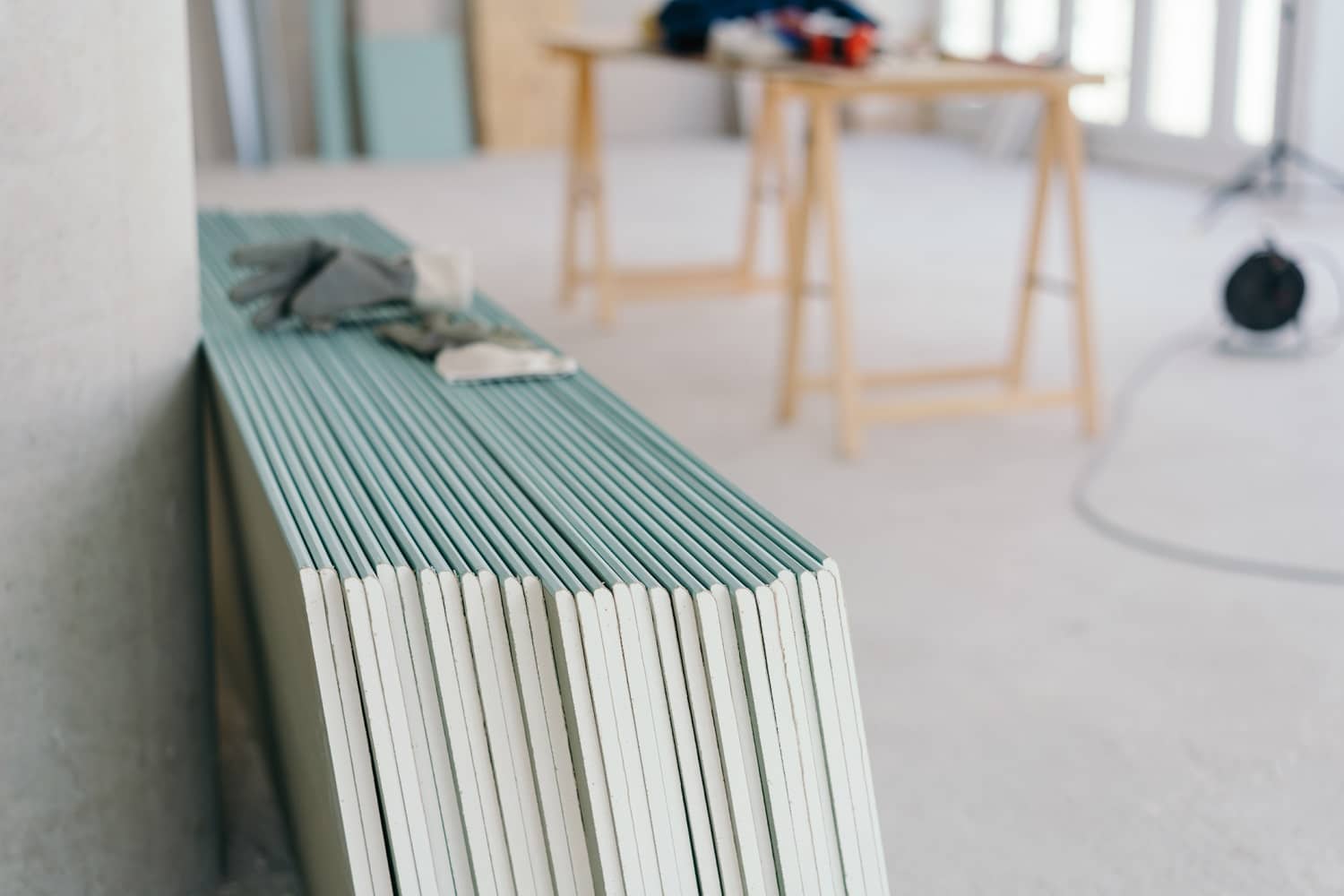
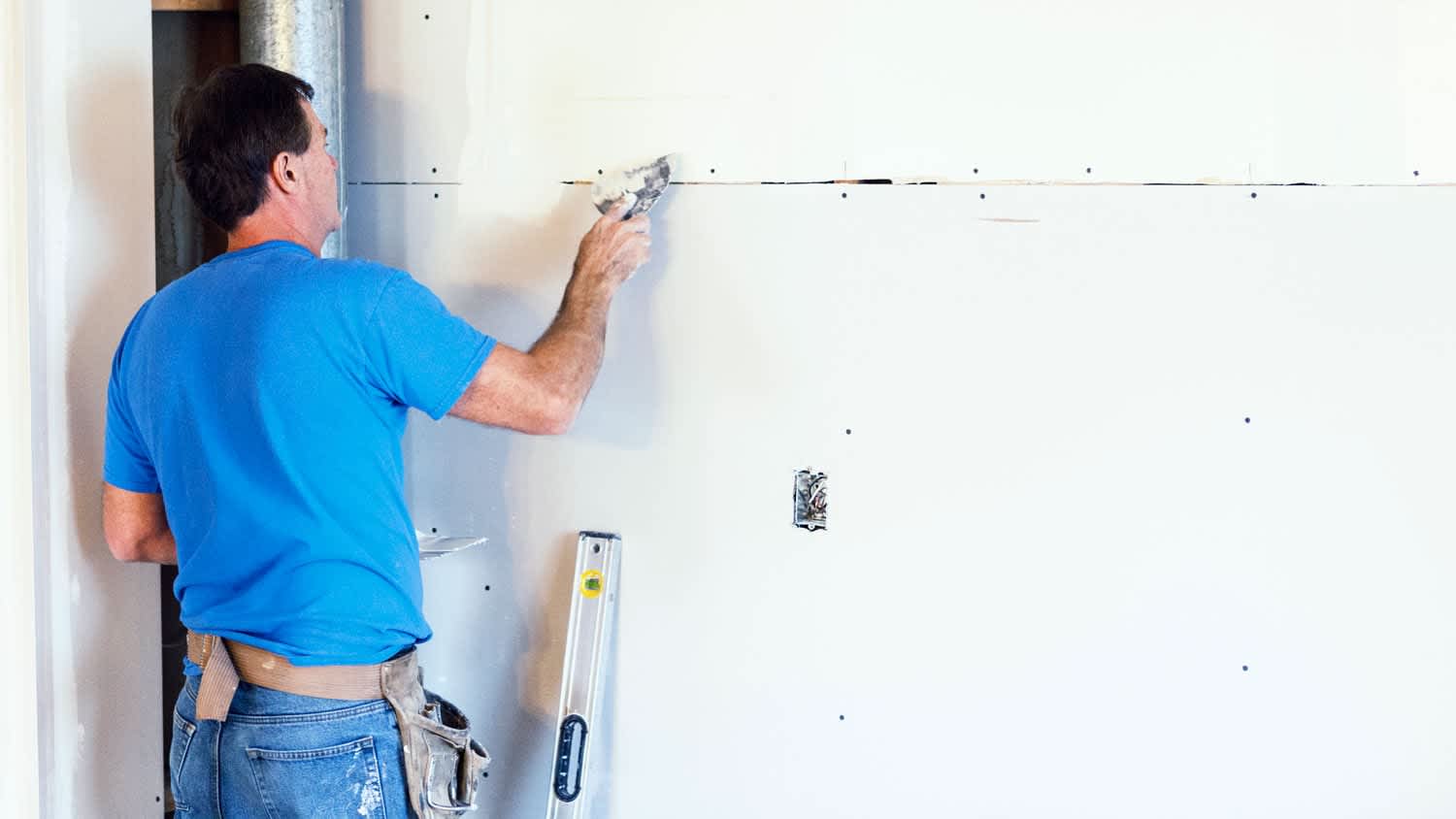
The Cliffside Park, NJ homeowners’ guide to drywall services

From average costs to expert advice, get all the answers you need to get your job done.