
Top-rated leaf removal pros.

Get matched with top leaf removal pros in Pelham, NH

Enter your zip and get matched with up to 5 pros

Need a pro for your leaf removal project in Pelham, NH?

Select your specific project to find the pro for you.

TRUSTED BY PELHAM, NH HOMEOWNERS

  • Average homeowner rating star icon4.5
    Average homeowner rating
  • Verified reviews icon309
    Verified leaf removal services reviews

Find Leaf removal pros in Pelham

Avatar for JR Carpentry
JR Carpentry
4.5(
73
)
Waste, Junk, Building Materials and Debris - Remove and HaulLawn & Yard Waste Clean Up

Serving Pelham, NH and surrounding areas

Approved

Super Service Award Winner

In business since 2020

Free estimates

Emergency services offered

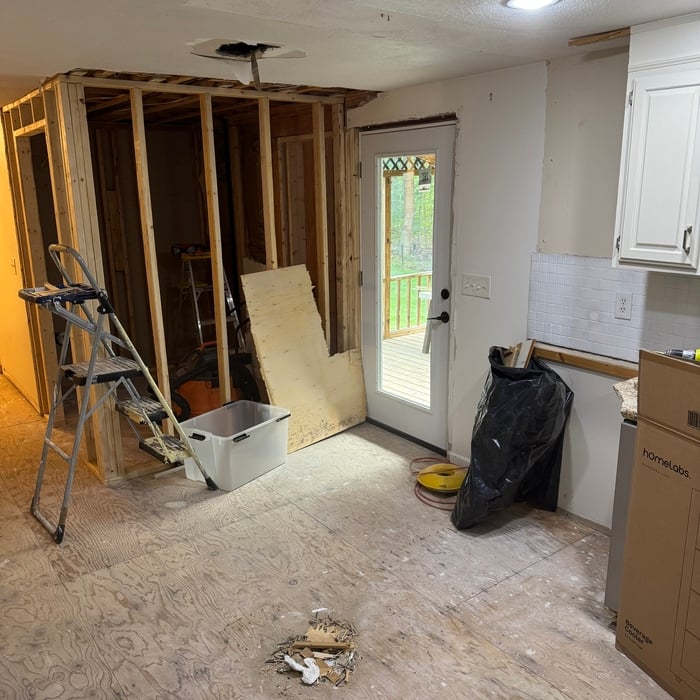
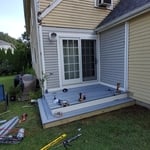
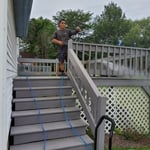
"Replacing a complex wooded deck requires many different cuts. He was able to navigate the problems and come up with solutions that pleased me very much. He also installed an additional railing that was much appreciated by my wife and I. This was a 3 level deck."
Our work
Our work
Remodel
Remodel
Remodel

+250

Response time12 hrs
26 neighbors recently requested a quote

Recommended by71%of homeowners
...
Showing 1-10 of 342
Leaf Removal questions, answered by experts

No, you can’t place hazardous waste in a dumpster unless you specifically ordered a dumpster for hazardous waste removal. If the dumpster company finds hazardous waste that it didn’t approve for dumping, the company will return the waste to you, and you’ll likely face a fine for illegal dumping.


According to the Environmental Protection Agency (EPA), hazardous waste is generally classified into four main categories:

1. Characteristic Wastes: These exhibit at least one of four hazardous traits: ignitability (flammable, like gasoline), corrosivity (can rust or decompose materials, like car batteries), reactivity (unstable and can explode, like aerosol cans), or toxicity (harmful when ingested, like lead-based paint).

2. Listed Wastes: These are specific wastes from manufacturing and industrial processes that the EPA has officially designated as hazardous. They include byproducts from processes that use solvents, pesticides, and other chemicals.

3. Universal Wastes: These are commonly generated hazardous items that are subject to streamlined regulations. Examples include batteries, pesticides, mercury-containing equipment (e.g., bulbs), and some lamps.

4. Mixed Wastes: This category includes waste that contains both hazardous and radioactive components, making it subject to regulation by both the EPA and the Nuclear Regulatory Commission.

Exterior paint contains a higher level of VOCs, which can be dangerous if you’re exposed to it for a long period of time. The good news is that paint’s toxicity reduces significantly once fully dried and cured. Do not keep open exterior paint cans in your home, basement, or garage, exposing your household to harmful chemicals over time.

Household products such as paints, cleaners, oils, and batteries are considered hazardous and should not be disposed of with regular household waste. Instead, look for local household hazardous waste collection facilities where you can safely dispose of these items without harming the environment or human health.

Lead exposure poses significant health risks, including neurological, developmental, and behavioral disorders, especially critical in young children and fetuses.

The Pelham, NH homeowners’ guide to leaf removal services

From average costs to expert advice, get all the answers you need to get your job done.