





Top-rated excavation pros.

Best excavation pros near Jaffrey, NH

Enter your zip and get matched with up to 5 pros

Need a pro for your excavation project in Jaffrey, NH?

Select your specific project to find the pro for you.

TRUSTED BY JAFFREY, NH HOMEOWNERS

  • Average homeowner rating star icon4.6
    Average homeowner rating
  • Verified reviews icon27
    Verified excavation services reviews

Top-Rated Excavation pros in Jaffrey - Updated Nov 2026

Alliance company
New to Angi
Building Site - Preparation and ClearingExcavation - Major Grading or ReslopingBuilding Site - Preparation and Clearing - For Business

Serving Jaffrey, NH and surrounding areas

Approved

Owned and operated by Jide Williams, Alliance is a full-service site preparation and excavation company. We specialize in transforming raw land into build-ready sites through expert grading, land clearing, and demolition. Whether you need materials delivered, debris hauled out, or complex tank and stump removal, we provide the heavy equipment and the "lead contractor" expertise to keep your project on schedule and on budget.

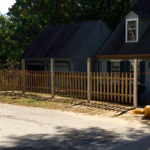
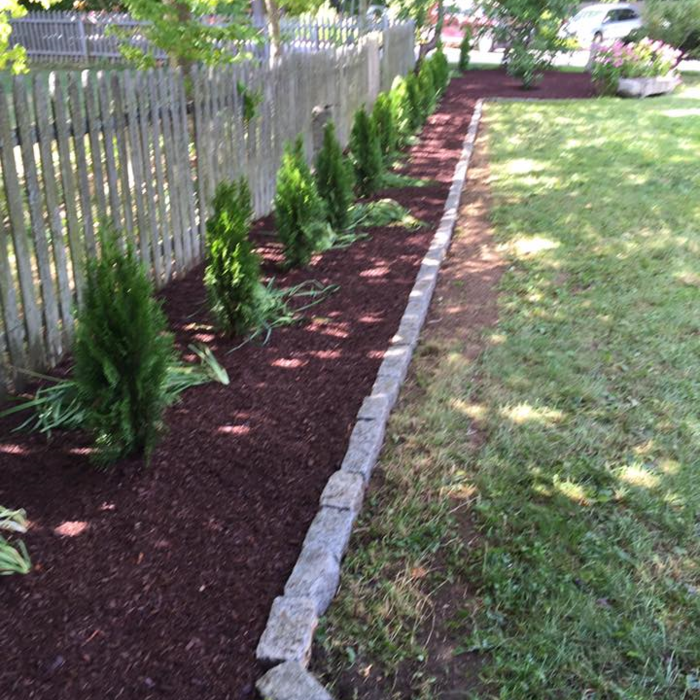
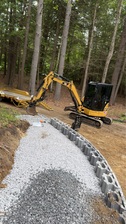
Retaining wall
Retaining wall
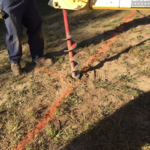
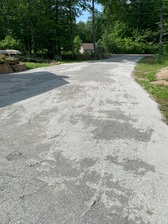
Process
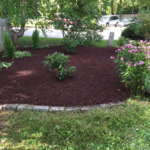
Retaining wall
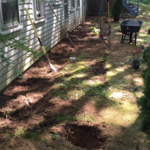
Retaining wall

+33

3 neighbors recently requested a quote
...
Showing 1-10 of 97
Excavating FAQs, answered by experts

Sewer lines can be buried anywhere from 18 inches to 8 feet deep, with a common average depth between 18 and 30 inches. The exact depth depends on local factors like climate and soil type. In colder regions, pipes must be buried deeper (below the frost line) to prevent freezing, sometimes as deep as 8 feet. The digging depth can also impact the cost of sewer line replacement. To find the specific depth for your property, you can check the building plans for your system, which should be on file with your city or local sanitation department since permits are required for installation.

You do not have to dig footers for a deck as long as it meets local code and holds up to weather in your area. If you live somewhere that experiences high winds and earthquakes, you may need to dig for your deck posts. Deck blocks, post anchors with base plates, and helical pile systems are the three no-dig deck post options you can choose from if local code permits.

There are many ways to cut through roots when digging, especially if your trencher doesn’t seem to be removing the roots. First, use a shovel to expose the roots. Then, use gardening shears to clear out smaller roots or a reciprocating saw to remove larger plant roots. If you plan on keeping the plant, avoid cutting any roots over 2 inches thick.

Trenching and boring are two distinct methods for installing underground utilities. Trenching involves digging a channel using equipment like an excavator, trencher, backhoe, or shovel. While it is a simpler process, it causes significant disruption to the surface, landscaping, and surrounding ecosystems.

Boring, also known as directional boring, is a less invasive alternative that uses a drill to create a tunnel for utility lines without disturbing the surface. This method is more precise and is ideal for installations that need to go underneath buildings, roads, or bodies of water. Although boring is less disruptive, it is generally more expensive than trenching.

Yes. A metal detector is one of the quickest and easiest ways to find your septic tank. However, metal detectors can be too expensive (costing upward of $300 in some cases), and not everyone has a metal detector just lying around. If that’s the case for you, you can also take a long metal rod and poke it into the ground at regular intervals until you hit something—likely your septic tank lid.

The Jaffrey, NH homeowners’ guide to excavation services

From average costs to expert advice, get all the answers you need to get your job done.