




Top-rated excavation pros.

Best excavation pros near Rindge, NH

Enter your zip and get matched with up to 5 pros

Need a pro for your excavation project in Rindge, NH?

Select your specific project to find the pro for you.

TRUSTED BY RINDGE, NH HOMEOWNERS

  • Average homeowner rating star icon4.7
    Average homeowner rating
  • Verified reviews icon29
    Verified excavation services reviews

Top-Rated Excavation pros in Rindge - Updated Nov 2026

Alliance company
New to Angi
Building Site - Preparation and ClearingExcavation - Major Grading or ReslopingBuilding Site - Preparation and Clearing - For Business

Serving Rindge, NH and surrounding areas

Approved

Owned and operated by Jide Williams, Alliance is a full-service site preparation and excavation company. We specialize in transforming raw land into build-ready sites through expert grading, land clearing, and demolition. Whether you need materials delivered, debris hauled out, or complex tank and stump removal, we provide the heavy equipment and the "lead contractor" expertise to keep your project on schedule and on budget.

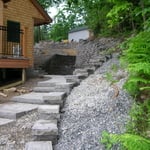
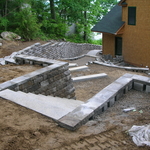
Retaining wall
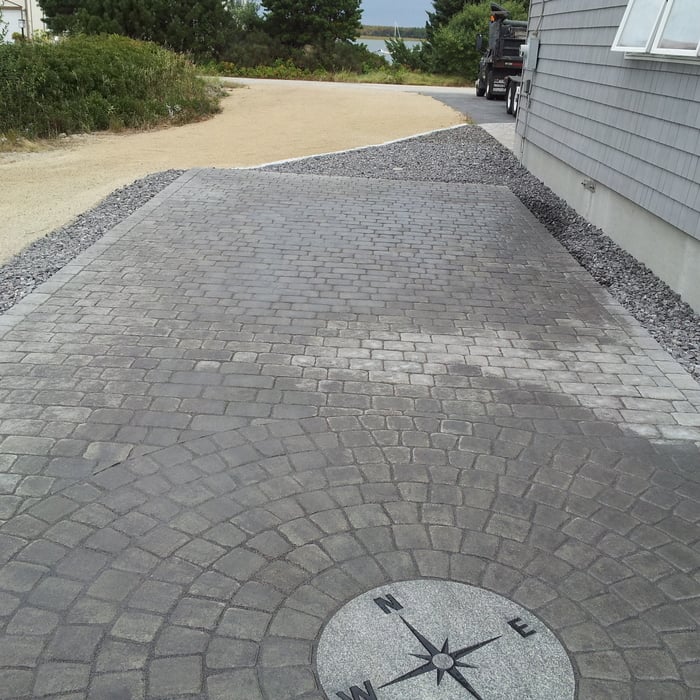
Retaining wall
Process
Retaining wall
Retaining wall

+33

3 neighbors recently requested a quote
...
Showing 1-10 of 95
Excavating FAQs, answered by experts

The best way to protect tree roots is to avoid the roots entirely by excavating outside the root radius of the tree. For nearby projects, it’s a good idea to construct a temporary retaining wall. But that’s not always possible, depending on the project and the root system. In these cases, consider using alternative equipment like an auger to tunnel under the ground.

Remember, tree roots can damage nearby cement foundations as they grow. If a tree is close enough to interfere with large excavations, it may be better to remove the tree than risk future problems.

Because decomposed granite is a durable material, a crushed rock or gravel base is optional as long as the DG is properly installed and compacted. However, installing a base is a good idea because it will ensure proper drainage and stability and act as a weed suppressant (although you may still occasionally have to pull weeds). Installing an adequate base can also increase the durability of driveways and walkways. If you forego the paver base or gravel underneath, line the area with landscaping fabric to avoid weeds.

The best type of soil to build on is a mixture of sand and clay, known as loam soil. Loam soil has the best combination of these soil types to build a foundation on. The clay particles help with water retention, so it won’t erode like sandy soil might, and the sandy particles help with drainage, so you won’t see unsafe soil expansion or have an increased risk of leaks from water sitting against your foundation.

Drilled wells have a pipe sticking up that’s covered in a plastic or metal casing. On the other hand, a dug well will look like a big hole in the ground and is more similar to what you’d see in a fantasy or Western movie. If you want to be sure, contact the city for documentation on your property’s construction and excavation history. 

No, you typically cannot use metal detectors to find your sewer line. Most sewer lines are made of non-metallic materials such as PVC, clay, or cast iron, which are not detectable by standard metal detectors. Metal detectors are designed to locate metallic objects, so they won't be effective for identifying the path of a non-metallic sewer line. To locate your sewer line accurately, it's best to use other methods.

The Rindge, NH homeowners’ guide to excavation services

From average costs to expert advice, get all the answers you need to get your job done.