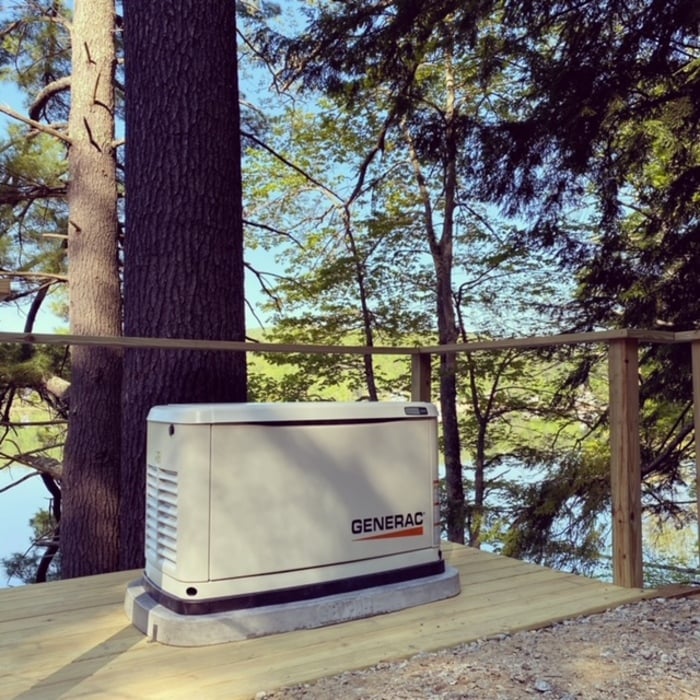






Top-rated generator install pros.

Best generator install pros near Greenfield, NH

Enter your zip and get matched with up to 5 pros

Need a pro for your generator install project in Greenfield, NH?

Select your specific project to find the pro for you.

Top-Rated Generator install pros in Greenfield - Updated Nov 2026

Avatar for Pellerin Electric, LLC
Pellerin Electric, LLC
4.6(
84
)
Fixed Generator - InstallPortable Generator - Install

Serving Greenfield, NH and surrounding areas

Approved

In business since 2006

Free estimates

Warranties offered

"They attended my call immediately and shown up to do the job as per schedule. All services was ok. However it tooks them a week or so for sendind a correct bill and it was a little pricy Considering what was done."
1 neighbors recently requested a quote
Recommended by98%of homeowners
Avatar for Let It Glow Electric, LLC
Let It Glow Electric, LLC
4.6(
32
)
Portable Generator - Install

Serving Greenfield, NH and surrounding areas

Approved

Super Service Award Winner

In business since 2018

Free estimates

Emergency services offered

"The owner was friendly,knowledgeable, listen to your issues, help decide the right choice action. Then exe used the action which included a new breaker box and generator hook-up. Very neat job, do e right and fast."
Exterior
Kitchen
Main service
Transfer switch and main panel
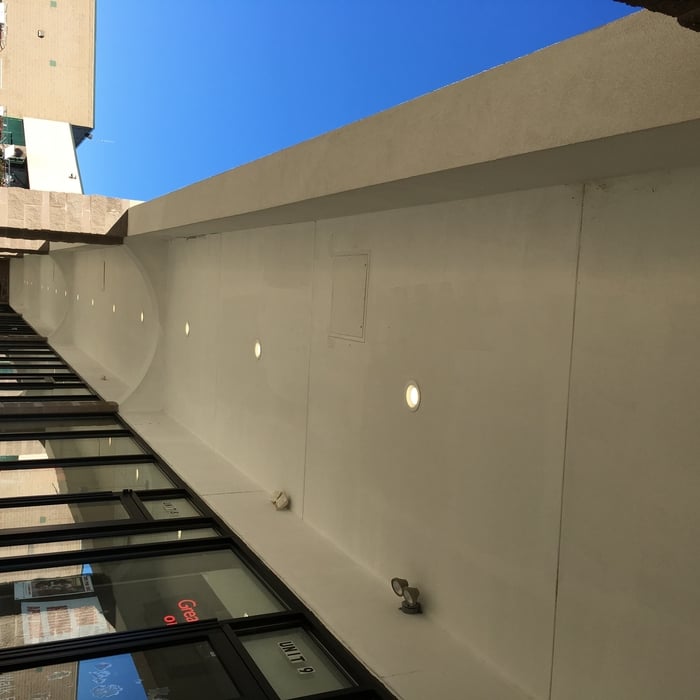
Canopy recessed cans retrofit

+27

Response time1 day
3 neighbors recently requested a quote
Recommended by76%of homeowners
MJS Electrical Services, LLC
3.6(
38
)
Fixed Generator - InstallGenerator - Install - For Business

Serving Greenfield, NH and surrounding areas

Approved

In business since 2007

Free estimates

Credit card accepted

"MJS Installed my new Generator, Gas piping, gas stove and telescopic downdraft kitchen vent. every aspect of the system installation was on point. in meeting the building inspector, he noted that this company has always preformed they installations to code and safety highly recommend MJS all techs and office staff always kept me informed"
6 neighbors recently requested a quote
Recommended by96%of homeowners
Avatar for Brens Electric LLC
Brens Electric LLC
5.0(
1
)
Generator - Install - For BusinessPortable Generator - Install

Serving Greenfield, NH and surrounding areas

Approved

In business since 2010

Free estimates

Emergency services offered

We bring years of proven experience and a strong work ethic to every project we undertake. As a fully licensed and insured electrical contractor, we combine technical expertise, attention to detail, and strict compliance with all applicable electrical codes and safety standards. Our work is performed with professionalism, precision, and accountability. Whether managing complex electrical systems or providing routine maintenance, every task is completed with a focus on quality, reliability, and long-term performance. Our goal is to build lasting relationships built on trust, consistency, and exceptional service.\n

800A Service Upgrade
4 neighbors recently requested a quote
...
Showing 1-10 of 57
Generator Install FAQs, answered by experts

No, you should never plug a generator directly into a wall outlet in your house. This practice is extremely dangerous, often illegal, and can cause "back-feeding," where power from the generator flows back into utility lines, creating a life-threatening hazard for utility workers. It can also damage your home's electrical system, including appliances like pumps and HVAC fans. If the main power is restored while the generator is connected, it can destroy the generator and cause an electrical fire. To safely connect a generator, you must use a professionally installed transfer switch or an interlocking kit, which prevents back-feeding by disconnecting your home from the utility grid before the generator provides power.

It is safe to run a generator continuously, but you must follow safety protocols to ensure personal and home safety. Read the manufacturer’s instructions for specific recommendations, but the general recommendation is to turn generators off overnight or when you’re away from the house. Overworked generators can pose a fire hazard and if your generator is not in a well-ventilated area, running it continuously could lead to carbon monoxide poisoning.

The amount of time a standby generator can run continuously is around 3,000 hours on average. However, standby generators can generally run indefinitely as long as they have a continuous fuel supply. Generators hooked up to a home’s natural gas supply are the best option for extended usage, as these won’t rely on a finite fuel supply based on how much you have in storage. Generators running on liquid propane or diesel won’t last as long, as these require fuel storage and regular refueling to stay running.

Setting up utilities on a vacant property usually takes at least a few months, or between 6 weeks to 16 weeks. This process requires working with the local planning and zoning department, hiring a building contractor or engineer to design the utility layout, securing permits, laying the lines, and connecting the utilities.

To determine the right size generator for your house, you should calculate the total wattage of the appliances and devices you want to power during an outage. List all essential items, note their start-up wattages, and add them together.

Here are some typical wattage requirements for common appliances:

  • Refrigerator: 600 watts

  • Large dehumidifier: 700 watts

  • Large window air conditioner: 1,400 watts

  • Water heater: 3,000 to 4,500 watts

  • Electric furnace: 5,000 to 25,000 watts

A 7,500-watt generator might be sufficient for essentials like a refrigerator, freezer, well pump, and lighting circuits. However, for high-demand items like a water heater or furnace, a whole-home generator is a better choice. A portable generator may be enough if you only need to power a few critical items.

While home square footage can offer a rough estimate, it is not always a reliable indicator. For reference, here are some typical generator sizes based on square footage:

  • 1,000 sq ft: 6–9 kW

  • 1,500 sq ft: 7–10 kW

  • 2,000 sq ft: 10–14 kW

  • 2,500 sq ft: 12–16 kW

  • 3,000 sq ft: 16–20 kW+

For the most accurate sizing, consult a professional who can calculate your home's peak and average power consumption and recommend the optimal generator.

The Greenfield, NH homeowners’ guide to generator installs

From average costs to expert advice, get all the answers you need to get your job done.