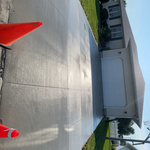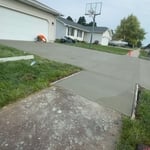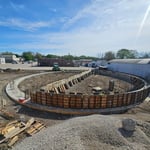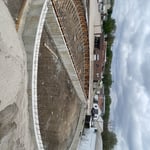



Top-rated asphalt driveway pros.

Get matched with top asphalt driveway pros in Wayne, NE

Enter your zip and get matched with up to 5 pros

Need a pro for your asphalt driveway service project in Wayne, NE?

Select your specific project to find the pro for you.

Find Asphalt driveway pros in Wayne

Romeo’s
New to Angi

Serving Wayne, NE and surrounding areas

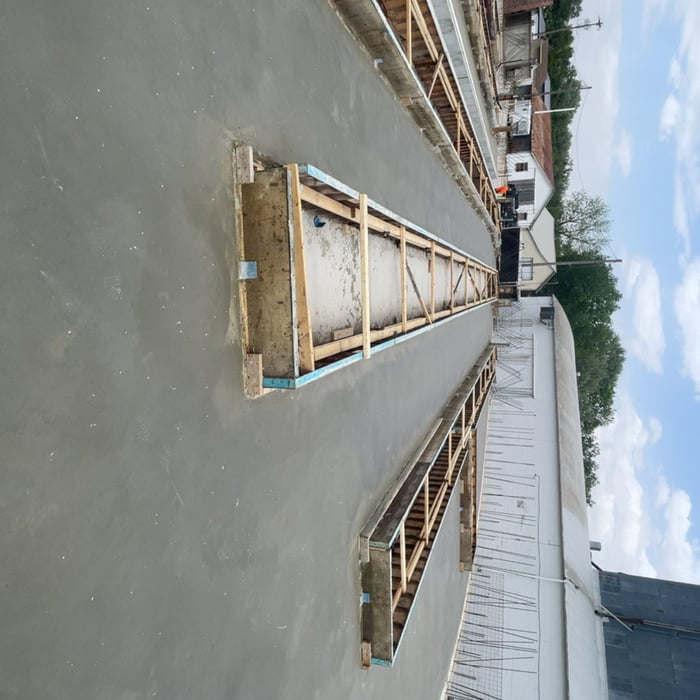
Hey I’m Jerome with legacy Construction company I’m the owner we guarantee to do excellent service we do it all concrete and asphalt we stripe and seal coat we’re all about putting a smile on you face and respect is a big thing for me im southern raised been in Nebraska 11 years now been doing construction for 16 years now my clients are like family looking to here from yall soon.

Asphalt Driveways questions, answered by experts

The average cost to repair an asphalt driveway is around $2,459 to $2,500. However, prices can range from $100 for minor DIY crack filling to over $4,000 for more extensive professional work. Costs are often calculated per foot, with minor repairs costing $1 to $3 per linear foot and heavier damage like potholes, sinking, or crumbling costing $2 to $5 per linear foot. Patching smaller potholes can cost around $2 to $3 per square foot. The final price depends on the severity and extent of the damage, driveway design, local contractor rates, and whether sealing is included. For major repairs, it is recommended to hire a professional, and you may get a better deal by bundling repair and sealing services together.

Asphalt and tarmac are not the same thing. Traditional tarmac, short for tarmacadam, uses tar as a binder to hold crushed stone together. Asphalt uses bitumen—a byproduct of crude oil—to bind aggregate. Though tarmac was once a go-to for roads, asphalt has become the modern standard. And these days, most surfaces referred to as “tarmac” are actually asphalt. So, while the names may overlap, the key distinction lies in the binder—tar for tarmac and bitumen for asphalt.

Your driveway contractor will probably recommend that you avoid driving on your new millings driveway for up to a week. Keeping pressure off the freshy applied millings will help the driveway to bind together. While the sun is helpful for binding millings, hotter weather can actually make the curing process take longer.

Instead of a set number of types, asphalt comes in variations designed for different needs. Some are categorized by temperature—hot mix, warm mix, and cold mix. Others are sorted by composition, like dense-graded, gap-graded (such as Stone Matrix Asphalt), porous, and mastic asphalt. There are also modified versions with added compounds like polymers, rubber, or emulsions. Instead of focusing on a number, it may be more useful to understand how contractors customize asphalt for durability, climate, and traffic conditions.

A solid driveway starts with the right asphalt mix, and for most homes, dense-graded hot mix asphalt (HMA) is the most recommended. It’s both durable and flexible, making it a reliable choice for residential use. A properly compacted 2-3 inch layer on a well-prepared crushed stone base will hold up for years. In areas with harsh winters or scorching summers, a slightly modified mix can help prevent cracking and rutting. No matter the climate, quality installation is just as important as the material itself, so hiring an experienced contractor ensures a smooth, long-lasting driveway built to last.

The Wayne, NE homeowners’ guide to asphalt driveway services

From average costs to expert advice, get all the answers you need to get your job done.

What do you need done? We’ll find top pros.
  • 🌱 "Mow a small front yard"
  • 🛠 "Fix a leaking pipe under the sink"
  • 🏠 "Repair shingles on an asphalt roof"