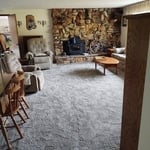
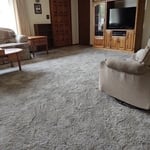
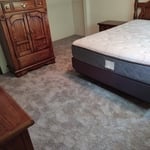
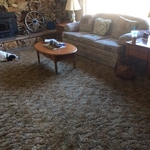
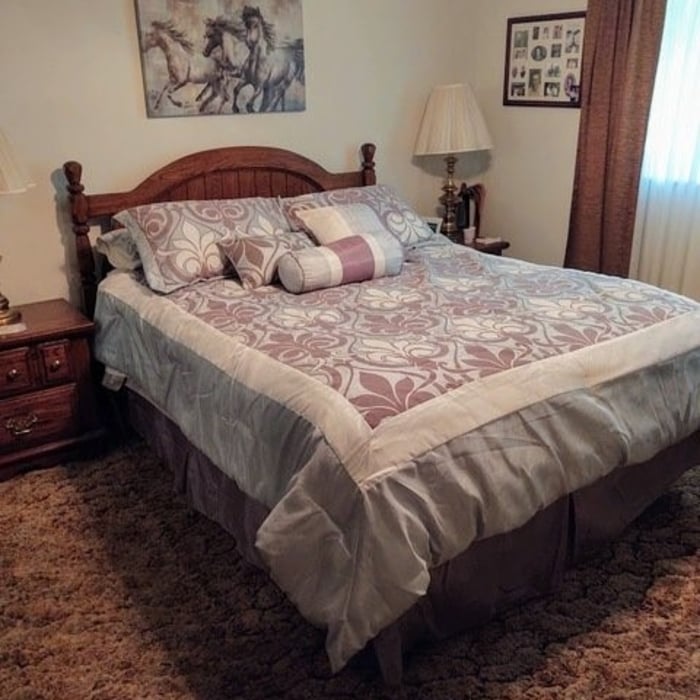
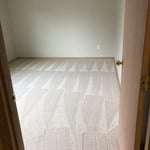
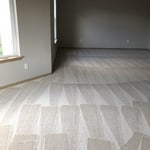
"Men very professional and friendly that came to house. I’ll have them back for carpet cleaning. Joel came to quote ahead of time. Others would only estimate over the phone."
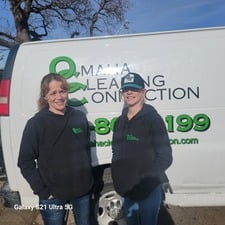
No matter the weather, we want clean air circulating through our homes to keep our families warm or cold. Over time, despite our routine efforts to keep our homes clean, the hustle and bustle of our hectic schedules simply don't allow for us to keep key dust and grime collectors like your carpet or air ducts clean. We're here to relieve you of the cleaning projects you just can't seem to get to. Omaha Cleaning Connection is your premier carpet and air duct cleaning company in Omaha, NE, boasting over 35 years of industry experience. We also have an all female carpet cleaning crew.
"Owners were exceptionally responsive and came right out for an estimate due to my very tight timeframe (I was calling on a Friday for a Monday service). Their estimate was higher than I expected (12-13 hrs @ $34/hr), but I had a very small window to get the work done, so I went ahead with them. And both the owner and I thought it may take all that time.
The crew ended up spending 2.5 hrs more than the estimate (total $527 + tax). Overall, the work was fine. The carpets were thoroughly vacuumed and looked especially nice. I did have some issues with the quality of some of the work (table looked to have been wiped but not cleaned in crevices; glasstop cook stove was wiped off but not cleaned thoroughly; biggest issue was fine dust all over the master bedroom and closet that wasn't there before -- they later told me they thought it was soap residue from using steel wool on the shower; one doorframe wasn't cleaned on the inside; a couple wall art pieces weren't dusted properly).
I took pictures and emailed them to the owners. They offered to come back out and make the job right, but in the interest of time, I went ahead and did those things myself. They ended up crediting me the additional 2.5 hrs, taking off $85, which I appreciated as a gesture of positive customer service. So, overall, it was fine, and they definitely wanted to make the job right.
The reason I won't likely use them again is just the cost. But they were the only crew that called me back promptly and was able to get me in on such short notice, and they were very professional. If you are looking for someone in a pinch, they may be the perfect ones for you."
Your Cleaning & Restoration Sidekick. At Voda, our mission is to make life easier for those responsible for creating inviting, healthy spaces where people live, work, and do business. We specialize in a wide range of cleaning & restoration services to keep your home or business clean, fresh and free from damage including: carpet cleaning, floor cleaning, tile & grout cleaning, upholstery cleaning, odor removal, water damage restoration, storm damage restoration, mold mitigation and more!
At Her Shine Cleaning Co. We believe everyone deserves a clean, fresh space without the stress. We’re a women-owned cleaning company focused on reliable, budget-friendly service with a personal touch. Whether it’s routine cleanings or a deep refresh, we’ll treat your space like it’s our own. Call us at seven one two, five two four, triple zero or seven one two, seven nine six, eight five five one to book today. Her Shine, Clean You Can Count On.
"That carpet cleaning turned out okay. They did the carpets in my living room, hallways and stairs. There were some stains that I wanted them to get out, but we didn’t have much hope for those stains to begin with. Two employees came out and it didn’t take them very long."
"The first carpet install had problems......carpet tight weave and pad was ultra thick. I took photos...they booked a day. I got a plush carpet with the plush pad. Amazing...."
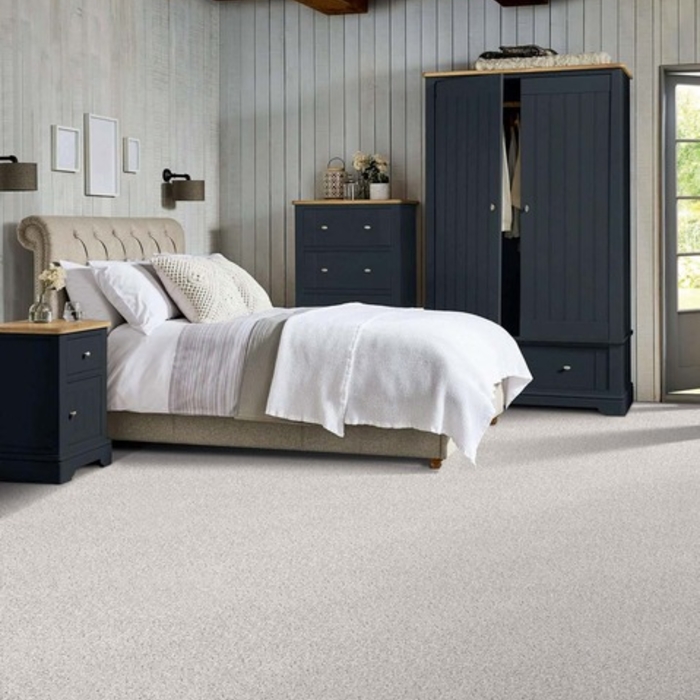
"I was a little skeptical at first about ordering my carpeting on line. The process was pretty painless. It was easy and the customer service was great. I am very happy with the final product. I love my bedroom again, the carpet is so soft!"
Carpet Installation questions, answered by experts
Costs depend on carpet type, labor rates, and additional services like padding or transitions.
Carpeting has a few benefits on stairs in addition to being a cost-effective floor covering. It absorbs sound, dampening footsteps. It also provides additional traction, which is especially important if you install linoleum floors, epoxy flooring, or any other floor covering that can become slippery if you’re wearing socks. Therefore, carpets can help prevent slips.
Carpet tiles are less expensive than traditional carpet. The average cost of carpet installation is $1,800, or $3 to $11 per square foot. In comparison, carpet tiles cost $2.50 to $11 apiece and can often be bought in bulk cartons. Since you can more easily DIY carpet tiles, you may be able to save on installation costs, too.
Choosing the right carpet involves assessing room usage, desired comfort levels, durability requirements, and stylistic preferences. Carpet fiber types and density should also be considered during the decision-making process.
The type of flooring you choose for your bedroom comes down to personal preference. Many people prefer carpet over hard-surface flooring types (such as hardwood, tile, or stone) in their bedrooms because it’s warmer and cozier. Carpeting also helps muffle sound, which may benefit those who have trouble sleeping.
On the other hand, some folks prefer the look of hardwood over carpet. People with allergies might also opt for non-carpeted flooring since carpet fibers can attract dust, dander, and other allergens.
The Waterloo, NE homeowners’ guide to carpet installation
From average costs to expert advice, get all the answers you need to get your job done.
Not only are carpet tiles easier to install than carpet, but they’re often more affordable. So, how much does carpet tile installation cost? Let’s take a look.