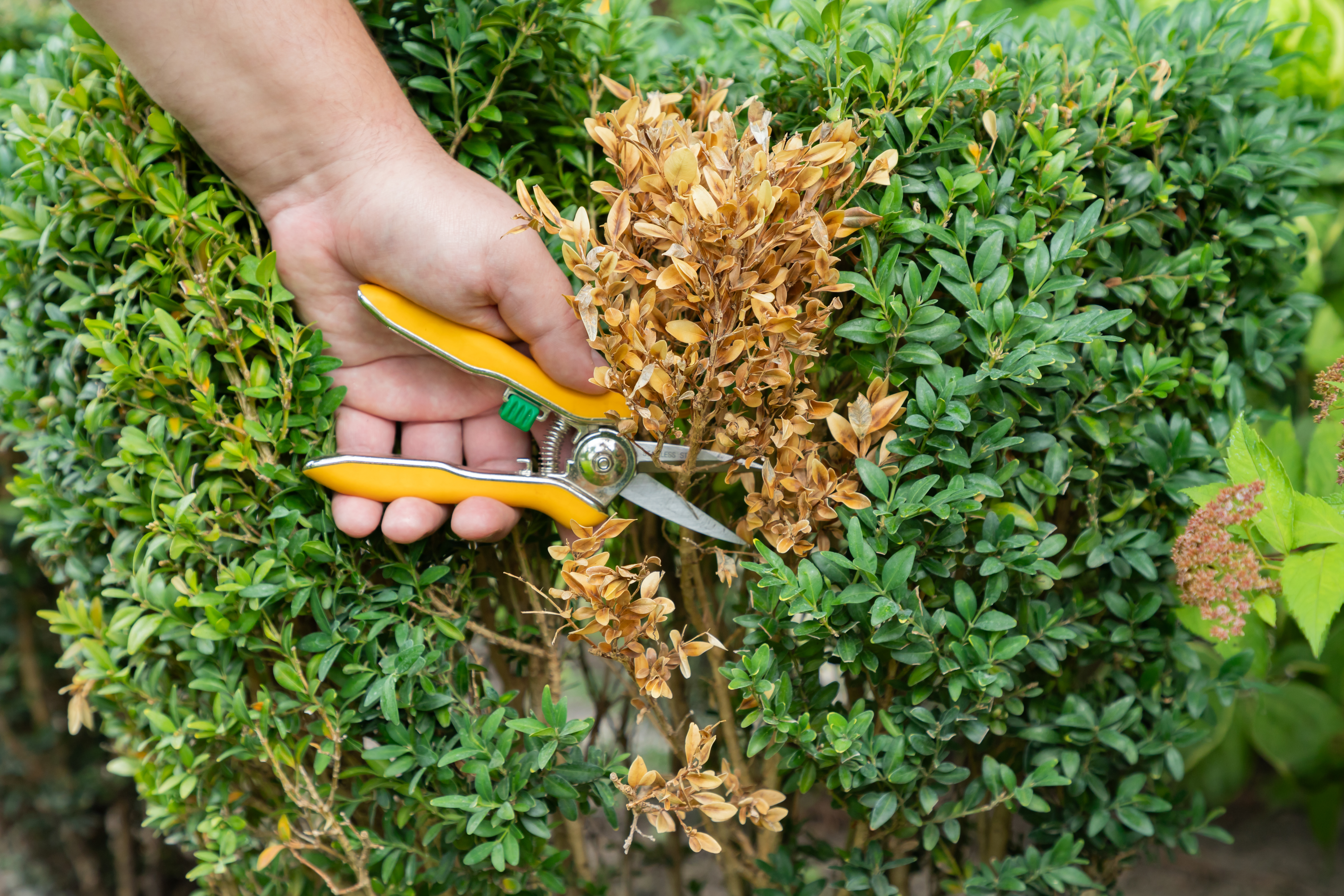
"He did such an awesome job and did exactly what I asked. He even double checked all of his work and it was great. I will definitely be calling him again."
We have over 10 years of experience in the business. Here at PM Tree Service, we pride our company on reliability, great communication, integrity, and quality work. We are experts in our trade and will do our best to keep you as educated as we can on your particular task or project. We look forward to earning your business!
\n
\n
308 Pipe Works is committed to excellence in every aspect of our business. We uphold a standard of integrity bound by fairness, honesty, and personal responsibility. Our distinction is the quality of service we bring to our customers. Accurate knowledge of our trade combined with ability is what makes us true professionals. Above all, we are watchful of our customers' interests, and make their concerns the basis of our business.
Since overwatering can harm mature trees just as much as a lack of water, it’s important to know the signs of an overwatered tree. If your tree’s leaves are yellowing, wilting, or dropping leaves, it’s likely that you’re overwatering. Other common signs include rotting, fungi, soggy soil, soft or peeling bark, falling leaves, and brittle roots.
If you realize that you’ve been overwatering your mature tree, stop watering and give the soil time to dry out. Then moving forward, increase time between watering sessions.
For Bradford pears, damage from storms is common, and if the trunk splits, it can pose a danger to people and surrounding structures. The best thing to do in that instance is to have the tree removed. If there’s only minor damage to the branches, pruning away the damaged parts is the first order of business. You may also want to consult a professional arborist to make sure the tree is healthy.
Unfortunately, palm tree stumps are one of the most difficult types to remove due to how their roots grow. Unlike other trees, palm tree roots grow horizontally and vertically. Palm tree roots grow as deep as three feet into the ground, although soil and growing conditions could mean they go as far as 50 inches into the earth.
If you want to be able to repurpose the grass in the area where you removed a stump later, you’ll have to dig quite deep—and perhaps wide—to trim away all the roots.
A few signs a tree may be dead is if the leaves are dead and there are no signs of new blooms. You can also perform a scratch test on some of the branches to check the condition of the cambium layer beneath the bark.
If it is green, it is still alive, but if several are dry, brittle, and brown, the tree may be dying or dead. Always consult an arborist before assuming your tree is dead because you may be able to save it.
DIY is risky and not recommended for large trees; professional services ensure safe removal and proper disposal.
The Trenton, NE homeowners’ guide to arboricultural services
From average costs to expert advice, get all the answers you need to get your job done.
How much does an arborist cost? This guide explains the cost of different services, ongoing expenses, and other factors to consider when hiring an arborist.
Tree inspections can ensure your trees stay healthy and safe, preventing costly damage. Learn how much tree inspections cost and what can affect the price.
Arborists are specialized tree care experts. This guide will help you hire an arborist with all the qualifications to give your trees the best care possible.