
"Timothy did a fantastic job replacing our toilet in our bathroom. He explained everything as he worked, helped us to get the best pricing possible on the job and was very friendly with my four year olds of daughter who was thrilled to receive an ECO sticker! Timothy went above and beyond to help us today and we will definitely be using ECO Plumbers again!"
Water the lawn thoroughly, apply fertilizer, and overseed if necessary to promote healthy growth.
Birds eat grass seed for one simple reason—it’s delicious! The seeds are rich in nutrients such as carbohydrates, proteins, and fats. Seeds are also high in energy, so humans eat trail mix loaded with seeds and nuts for long-distance activities. Grass seed, when unprotected, is also exceptionally easy to access.
Before you put down grass seed, you should cultivate your soil or add two inches of topsoil. You should also put down fertilizer at the same time as your seed to prompt healthy growth. Be sure to water after you put down grass seed, especially for the first two weeks.
Instant greenery, erosion control, and no waiting for germination make sod a preferable choice.
There are plenty of products to help green up your grass. Try an iron supplement spray or fertilizer that is rich in nitrogen. You can also apply a thin layer of compost on top of your lawn at the beginning of spring to give the grass a nutrition boost, which helps it achieve that bright color you are looking for.
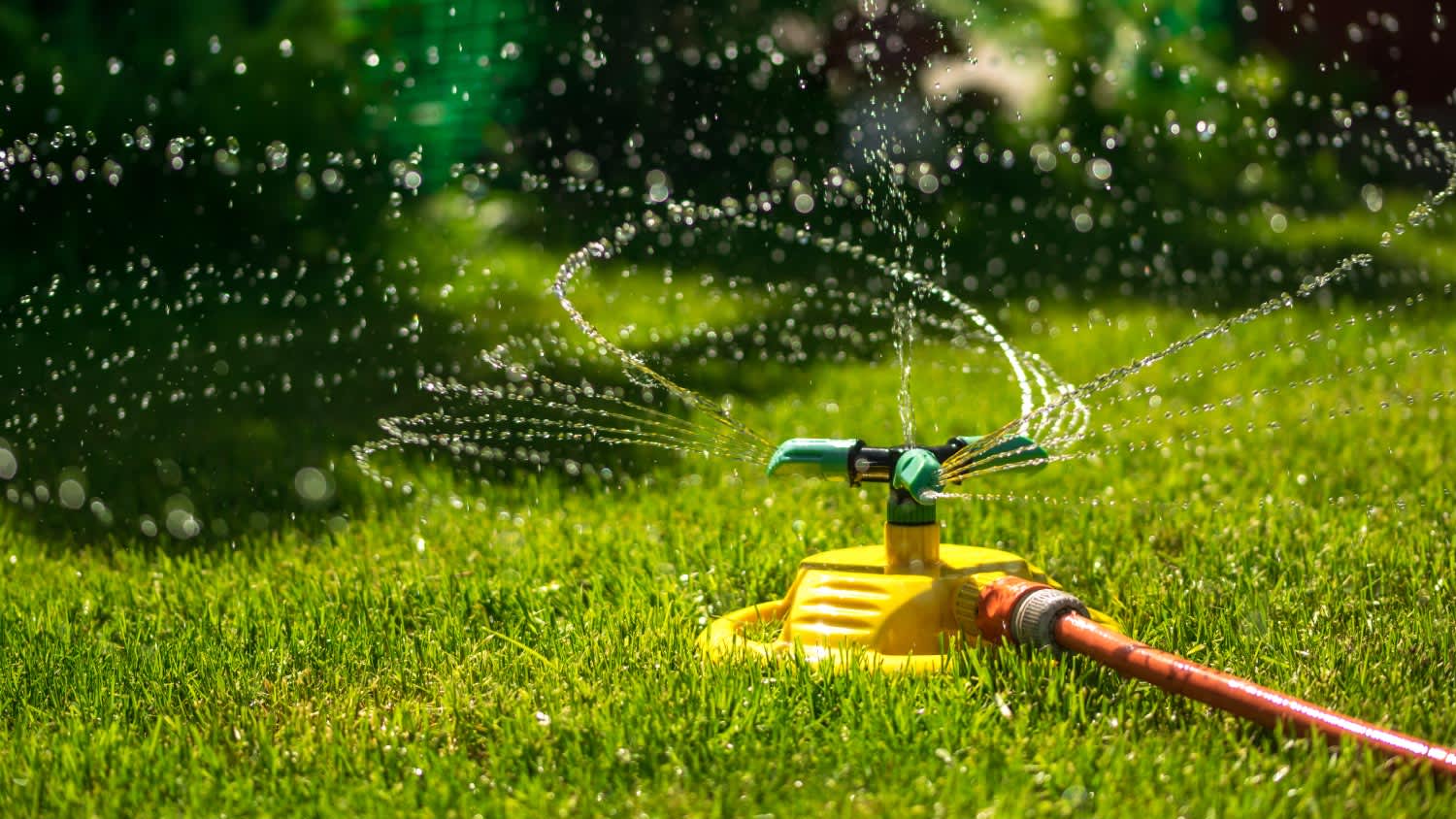
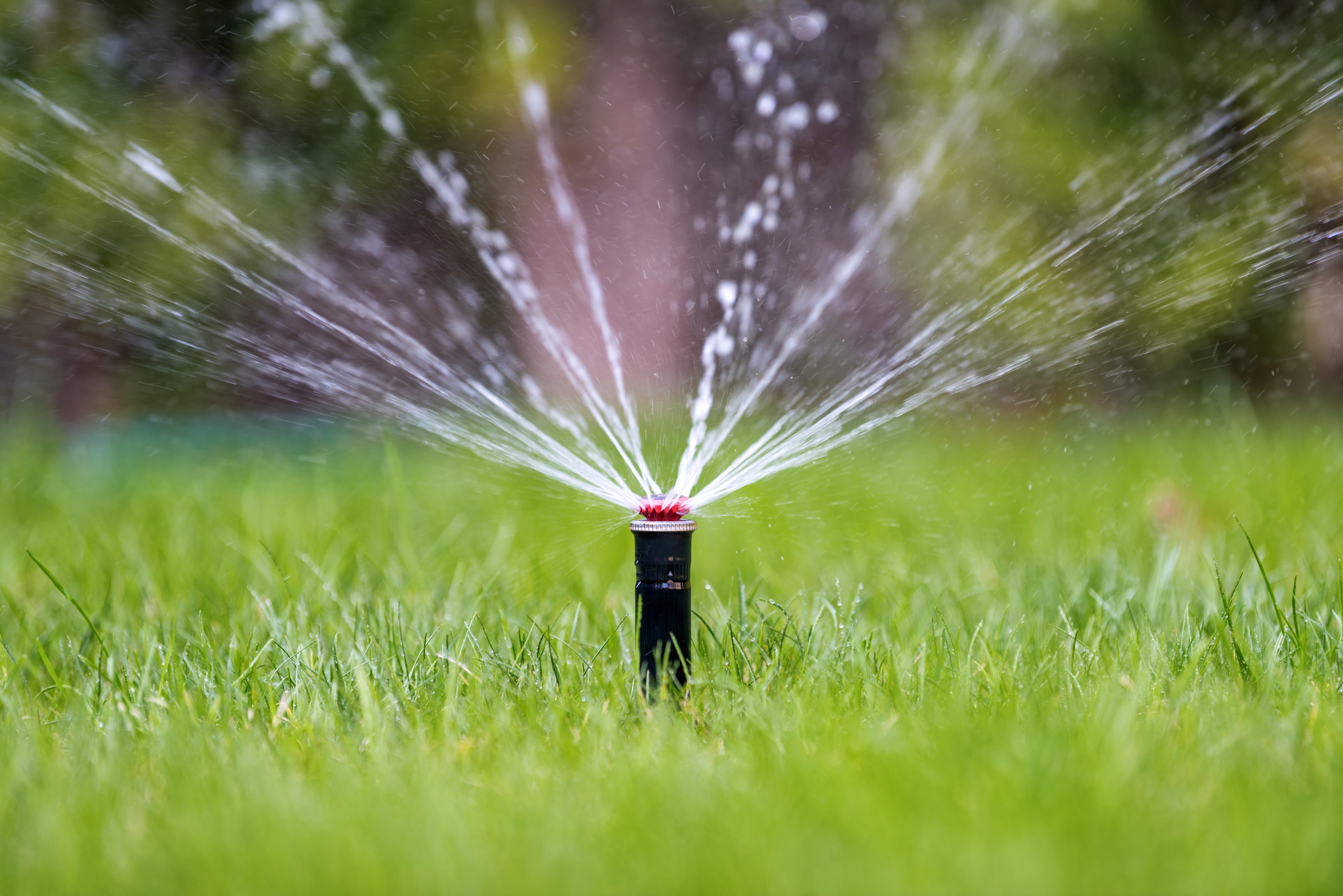
The Stuart, NE homeowners’ guide to lawn irrigation services
From average costs to expert advice, get all the answers you need to get your job done.
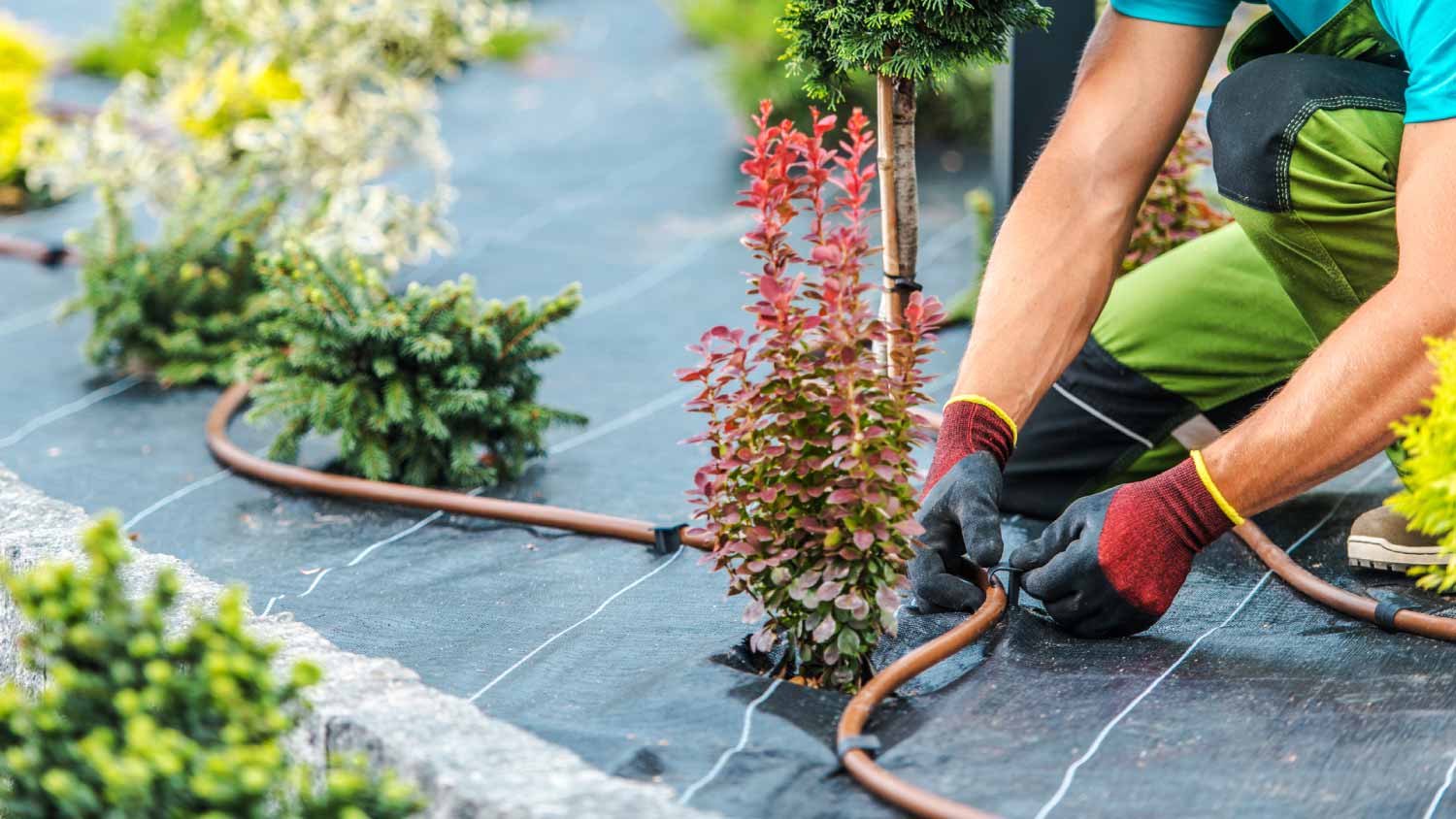
Need an effective solution for watering your garden? Here are four types of drip irrigation systems that can help you nurture your plants to perfection.
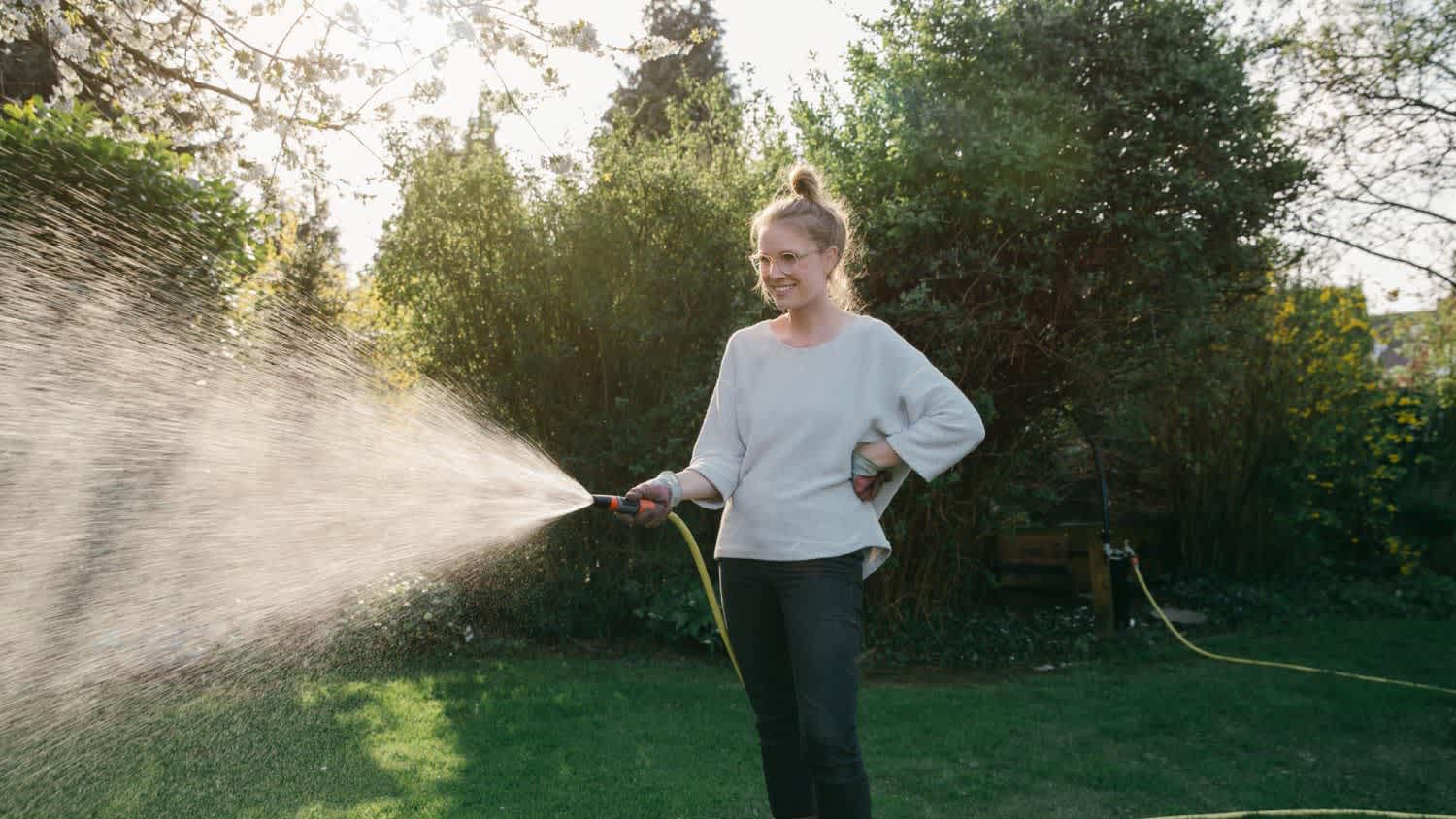
Can you keep your lawn healthy without a costly irrigation system? Absolutely. Learn the best way to water a lawn without a sprinkler system with this guide.