"Super great carpenter! Did a great job with whatever I asked and he stands behind his bids and his job. He came back and checked things over a year later and made sure everything was still up to par."
We're a locally owned and operated company with over 22 years of industry experience. We value honesty and integrity in all aspects of our business. We offer a variety of Home Improvement services that are customizable to each individual project. We specialize in handyman/carpentry work and a variety of related service and repair projects. We pride ourselves on the quality of our work as well as our commitment to outstanding results. We look forward to building lasting relationships with our clients and guarantee your satisfaction!
The cost to hire a handyman can vary, with most charging on a per-hour or per-project basis. On average, expect to pay between $50 and $150 per hour, with a typical rate around $90 per hour. For project-based work, the average cost is about $400, though the total can range from as low as $180 to $1,500 or more. Some handypeople may also require a minimum flat rate, such as payment for two hours of work.
Several factors influence the final cost, including:
The type, size, difficulty, and complexity of the job
The amount of time the work takes
The handyman's experience level
Your geographic location
The cost of materials and any necessary permits
Accessibility of the work area and potential travel costs
Additionally, you may encounter higher rates or extra fees for emergency services or work scheduled during holidays.
Almost all houses require soffits. The exception is in houses where you know without a shadow of a doubt there is adequate airflow throughout the entire house including, and most importantly, the attic. Almost all modern homes have soffits installed whether you notice them or not because on most homes, the roof eave extends beyond the walls of the home, naturally creating soffits.
Before hiring a handyperson, it's important to ask several questions to ensure they are the right fit for the job. Key areas to cover include their experience, logistics, and job specifics.
Experience and Qualifications:
What kind of work do you specialize in?
How long have you been doing this kind of work?
Are you licensed and insured?
Do you have references?
Can you provide before-and-after photos of your work?
Estimates and Contracts:
Do you charge for estimates?
Will you provide a written estimate and contract?
Does the estimate cover both labor and materials?
How much do you expect materials to cost?
Project Details and Guarantees:
When can you start the job, and how long do you expect it to take?
Do you provide a guarantee for your work?
Will you handle cleanup and waste disposal after the job is finished?
Do you have any questions about the projects on my list?
Most contractors do not charge for meetings, but it can depend on the project, mainly if it includes detailed consultations or project planning. For general estimates, homeowners shouldn't expect to be charged. Always ask up front about meeting fees to avoid surprises and ensure you know what’s included in the process.
After cutting Corian® to the right size, you may have to attach it to another piece of Corian®, either at a corner or another seam. One way to create the tightest seam is to place the two pieces of Corian® on a level surface at ⅜-inch apart. Run a router in between the two slabs to create an identical edge on both pieces. Then use the proper DuPont Joint Adhesive for your type of seam and countertop to join the Corian® together.
The Stuart, NE homeowners’ guide to caulking services
From average costs to expert advice, get all the answers you need to get your job done.
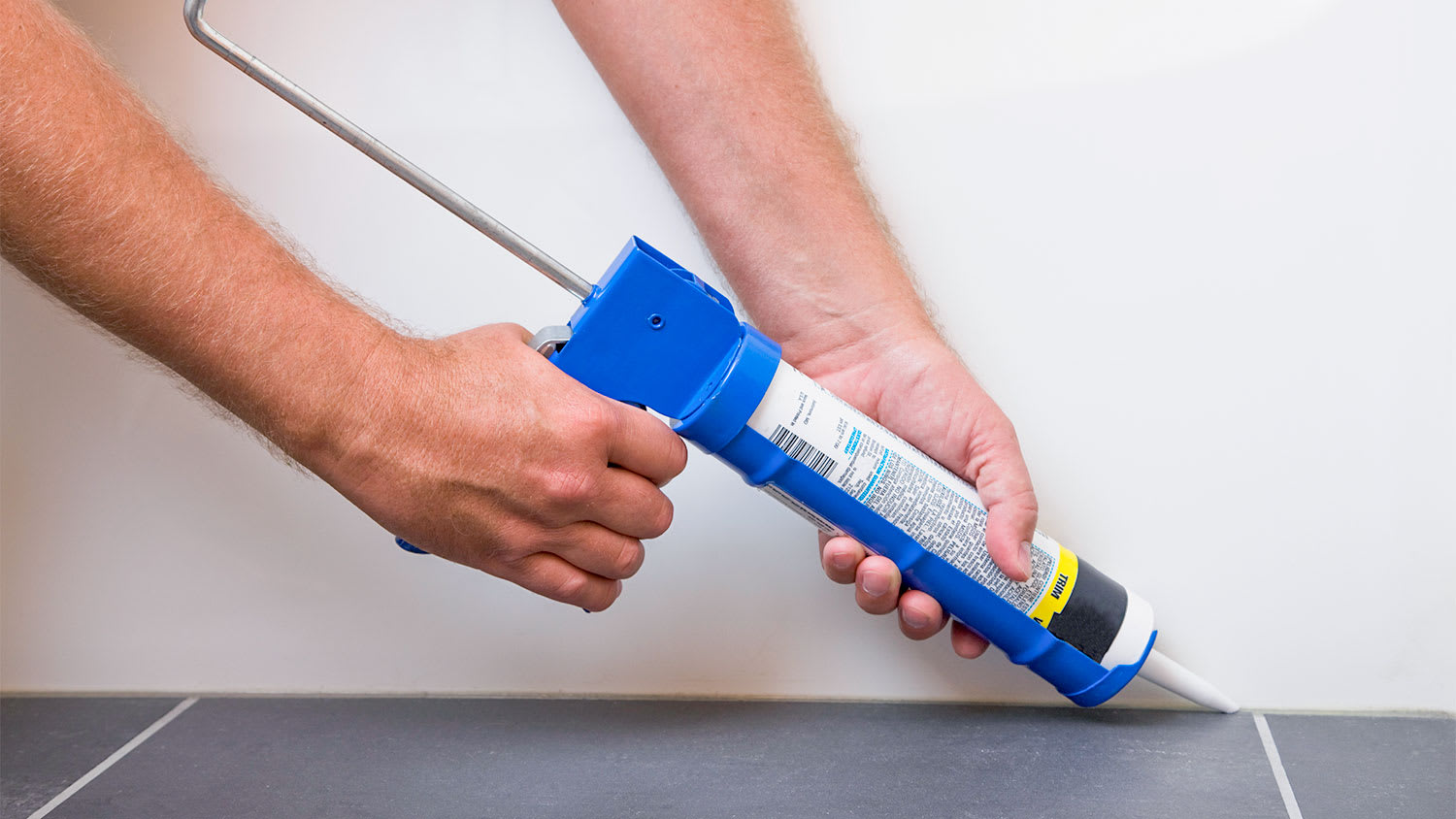
For a bathroom remodel, touch-up, or home perimeter, caulking is worth the investment. Find out average costs for window caulking, shower caulking, and more.
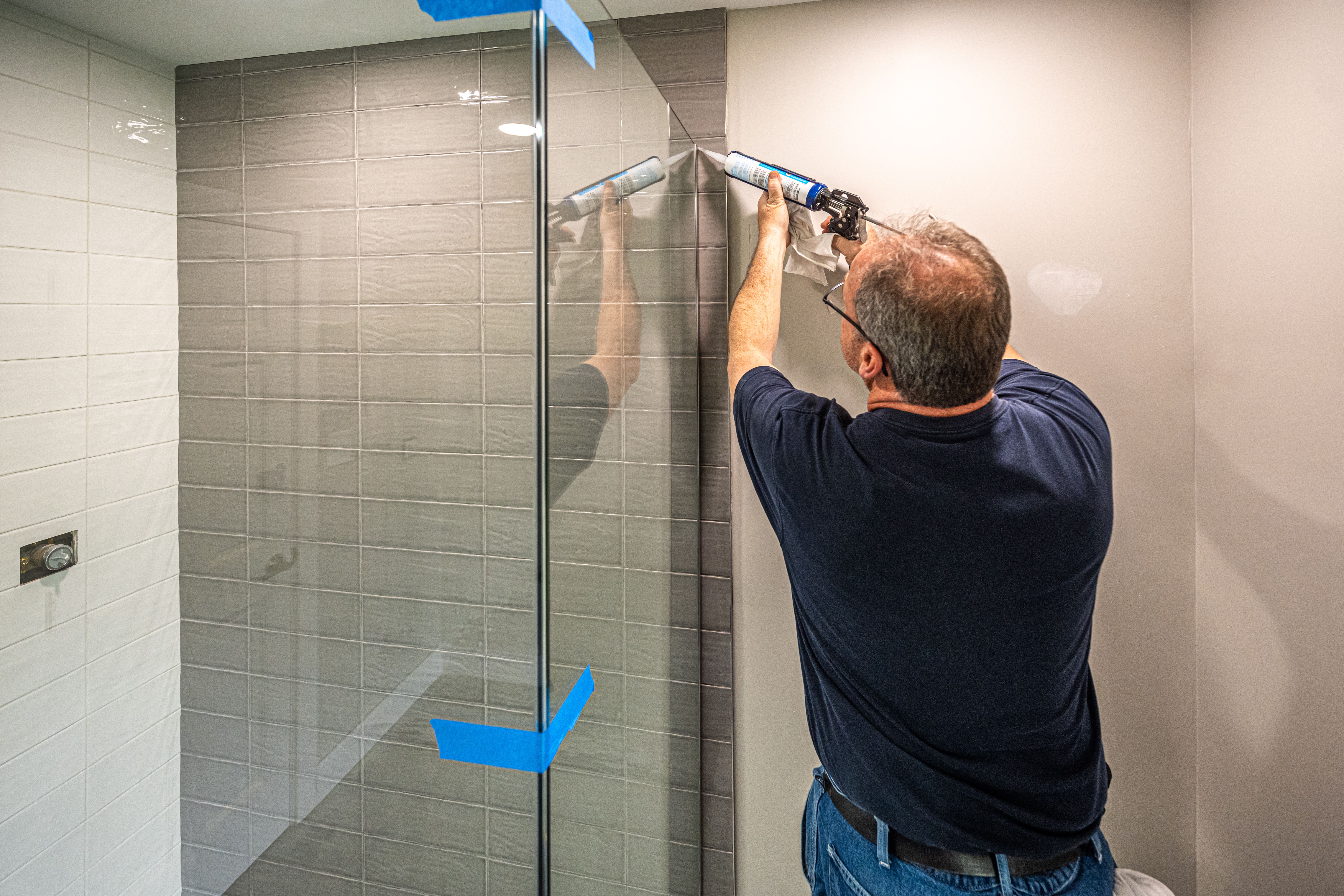
You know your bathroom needs a new caulking job to prevent leaks, but who do you hire? We’ll tell you what kind of professional to contact, what goes into the project, and whether you should consider doing the job yourself.

Caulking isn’t as easy as it looks, but with some tricks, even a beginner can do it like a pro. This guide will show you how to caulk in nine simple steps.

With so many different types of caulk on the market, how do you know which one is right for your home improvement project? Here’s how to figure it out.
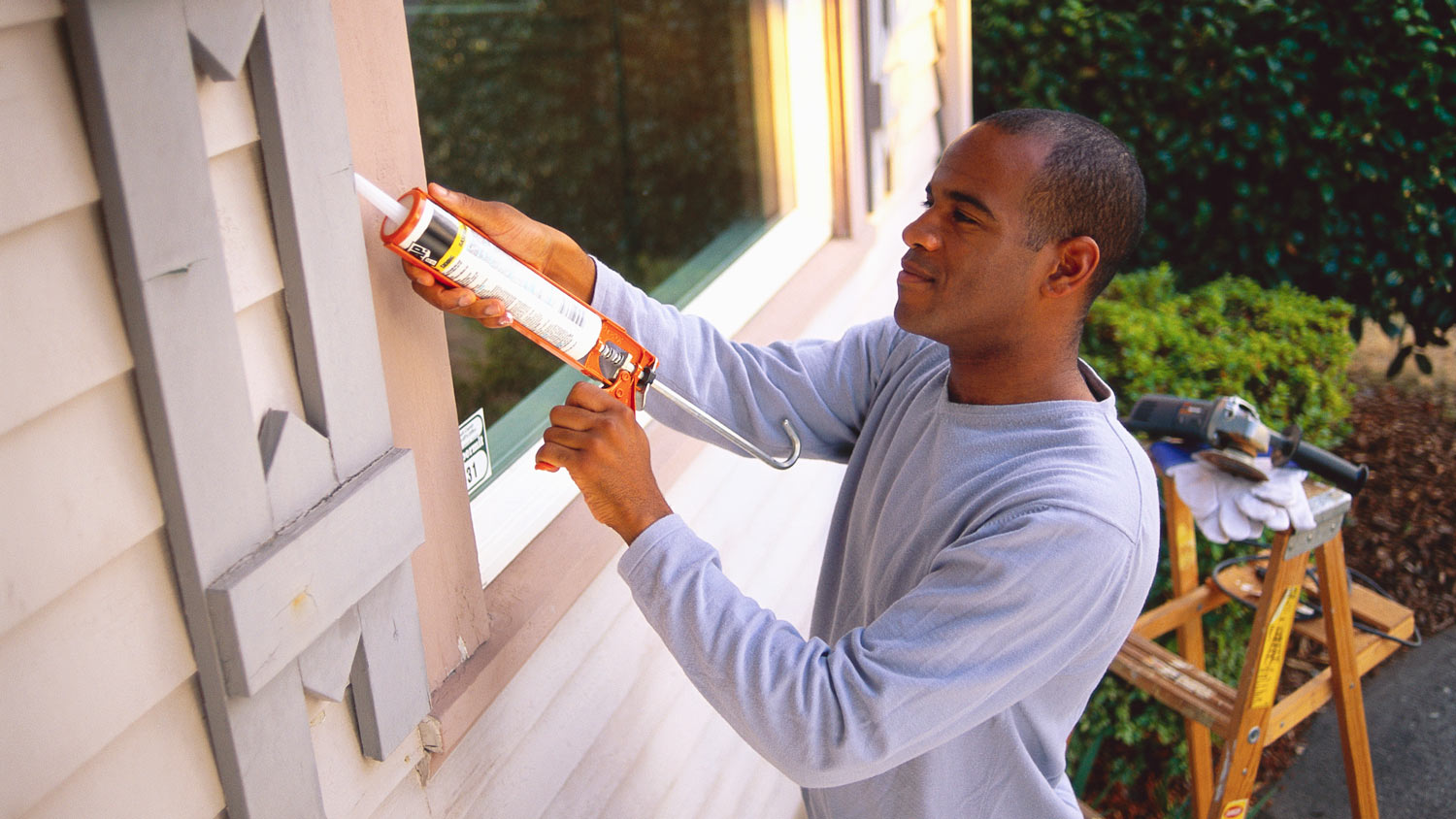
Caulk and sealant are both helpful for closing gaps, but they aren’t the same thing. Find out whether caulk versus sealant is a better choice for your project.