"I used Moving APT for our relocation to Tampa and they did a very good job both on pick up and drop off. They handled everything with care and absolutely nothing was broken or scratched. I would recommend them."
Biohazard Remediation questions, answered by experts
Eliminating mold from wood permanently poses a challenge as the mold spores have the ability to deeply penetrate the porous wood surface. While surface mold can be effectively eradicated with proper cleaning and preventative measures, it's difficult to guarantee its non-recurrence under favorable conditions. To prevent mold from reappearing, it is important to identify and resolve the root cause of the moisture that triggered mold growth initially.
Ensuring appropriate ventilation and a dry environment, or consider applying protective finishes such as sealant, varnish, or paint to prevent future moisture penetration and mold growth. Consistently inspect and maintain the area to keep the wood free from mold in the long term.
Figuring out why you have a musty smell in your house is the first step to getting rid of it. Mold or mildew is most likely causing the unpleasant odor. People use these terms interchangeably, but they’re actually different.
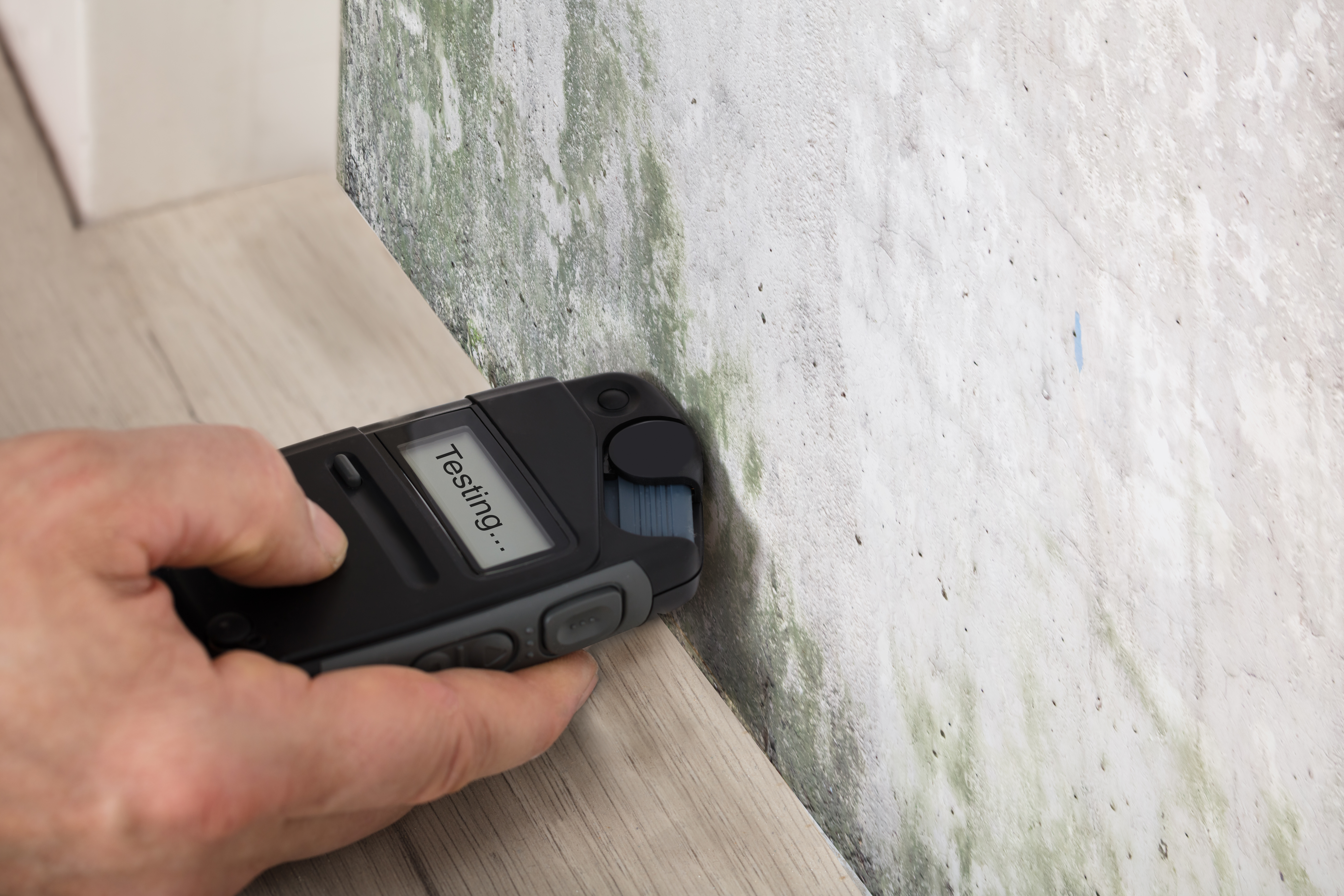
Mold is a fungus that loves to grow in moist, humid places. It’s typically black or green and has a raised, uneven texture. Stay vigilant for signs mold may be growing in your home.
You’ll find mildew growing on your shower walls and in your bathroom’s nooks and crannies. It’s a specific type of mold that grows flat. Mildew is usually white, gray, or yellow.
Yes, mold under silicone caulk can potentially cause health issues, which may be more noticeable in people with asthma, allergies, or other respiratory conditions. Mold releases spores into the air, and inhaling these spores can cause symptoms such as coughing, sneezing, eye irritation, and skin rashes. It's important to address mold issues promptly to protect your health.
The gasket and drum of a washing machine are ideal spots for mold to grow. They are dark, warm, and humid, conditions that mold thrives in. The products you use to wash your clothing, such as fabric softener and detergent, can also encourage growth by giving the mold a food source.
While it isn’t as dangerous as black mold, pink mold in the shower or elsewhere still poses some health risks, particularly for people with compromised immune systems. Even if you’re in good health, pink mold could cause an infection if it gets into your eyes or penetrates your skin through an open wound.
The Stuart, NE homeowners’ guide to biohazard remediation services
From average costs to expert advice, get all the answers you need to get your job done.
The cost of a mold inspection might seem high, but it’s one of the best investments you can make for your health and home. Read on to learn cost-saving tips.
Learn how to hire a qualified radon testing pro for your home. Find certified professionals, understand costs, and get expert tips to protect your family.