
Top-rated fireplace pros.

Best fireplace pros near Saint Edward, NE

Enter your zip and get matched with up to 5 pros

Need a pro for your fireplace service project in Saint Edward, NE?

Select your specific project to find the pro for you.

Top-Rated Fireplace pros in Saint Edward - Updated Nov 2026

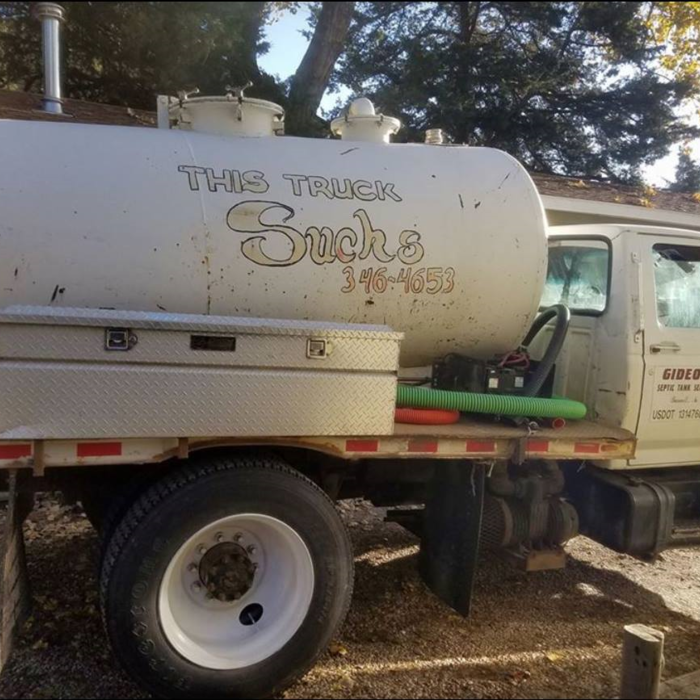
Gideon Septic Services
5.0(
3
)
Clean and Inspect a gas fireplace

Serving Saint Edward, NE and surrounding areas

In business since 1989

Free estimates

Small jobs welcome

With over 30 years of experience, Gideon Septic Services is dedicated to providing our customers with the best quality and craftsmanship. We are here to build relationships with our customers and communities and to provide our employees with a great place to work. \n \nGideon Septic Services is a leader in providing our customers with the highest quality products and craftsmanship in an honest, efficient, and professional way. Our pledge is to create successful relationships with our customers, employees and community by building trust, treating every project with the utmost integrity and exceeding expectations. \n \nWe look forward to working with you! \n \nWe offer 24/7 emergency services.

Business Card
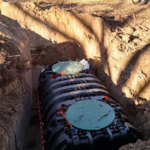
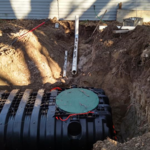
Septic Tank Install
Septic Tank Install
Septic Tank Install
Septic Tank Install

+12

Response time1 day
Response rate92%
Recommended by66%of homeowners
Dustin Oliver
New to Angi
Gas, Pellet, or Wood Stove - Repair

Serving Saint Edward, NE and surrounding areas

In business since 2022

Free estimates

Emergency services offered

Dustin Oliver is committed to excellence in every aspect of our business. We uphold a standard of integrity bound by fairness, honesty, and personal responsibility. Our distinction is the quality of service we bring to our customers. Accurate knowledge of our trade combined with ability is what makes us true professionals. Above all, we are watchful of our customers' interests, and make their concerns the basis of our business.

Fireplaces FAQs, answered by experts

Some of the reasons a chimney damper won't close properly include shoddy installation, age-related damage, or heavy snow or ice affecting a top-sealing type. Poor chimney maintenance and a buildup of rust, debris, or creosote can also cause dampers to jam. Annual inspections and chimney sweep costs are worth it to help you avoid a damper disaster. 

Fireplace inserts have several potential disadvantages. The cost of the insert and its installation can be a significant investment, as the process can be complicated and expensive, particularly if modifications to the existing fireplace are necessary. Aesthetically, some people find that inserts lack the traditional look and authentic ambiance of an open, crackling fire. There are also ongoing costs for maintenance, cleaning, and fuel. Fuel type can be a limitation; for example, an insert may be unusable if you don't have access to its specific fuel source. Maintenance and repairs can also require specialized services, especially for gas or electric models. Finally, while an insert is more efficient than an open fireplace, it may not heat a home as evenly as a central HVAC system.

You don’t necessarily need a chimney for a pellet stove. However, all pellet stoves need some type of venting system to get rid of gasses and other potentially harmful byproducts of combustion. If you don’t have a chimney, an alternative option is to vent your pellet stove through an exterior wall of your home.

Wood is classified as either hardwood or softwood. For firewood, hardwoods are generally the best choice as they tend to burn longer, hotter, and produce less smoke than softwoods. Recommended hardwoods include oak, hickory, maple, cherry, ash, beech, birch, elm, and walnut. Oak is a particularly good option as it's widely available, slow-burning, and doesn't produce much smoke or sparks. Some woods, like oak, hickory, and cherry, also emit a pleasant scent. It is best to avoid softwoods such as eucalyptus, poplar, and willow, as they create a lot of smoke and have a high moisture content that makes them difficult to light and burn efficiently.

In addition to flashing, a roof cricket can help divert water around your chimney so that it drains properly off your roof. It’s shaped like a double triangle and is installed behind the chimney so that falling water spills evenly down each side. This helps prevent water from accumulating behind your chimney, which can increase water damage and the risk of leaks. 

The International Building Code (IBC) requires cricket installation if a chimney built after 2012 measures over 30 inches in width. Chimneys constructed before that date are typically grandfathered in and aren’t required to have crickets installed.

The Saint Edward, NE homeowners’ guide to fireplace services

From average costs to expert advice, get all the answers you need to get your job done.