
Top-rated fencing pros.

Get matched with top fencing pros in Saint Edward, NE

Enter your zip and get matched with up to 5 pros

Need a pro for your fencing service project in Saint Edward, NE?

Select your specific project to find the pro for you.

Find Fencing pros in Saint Edward

Avatar for Peak Framing
Peak Framing
5.0(
3
)
Wood Fence - InstallWood Fence - Repair

Serving Saint Edward, NE and surrounding areas

Approved

In business since 2021

Small jobs welcome

Offers commercial services

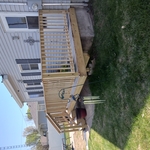
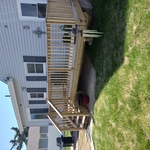
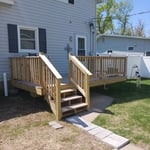
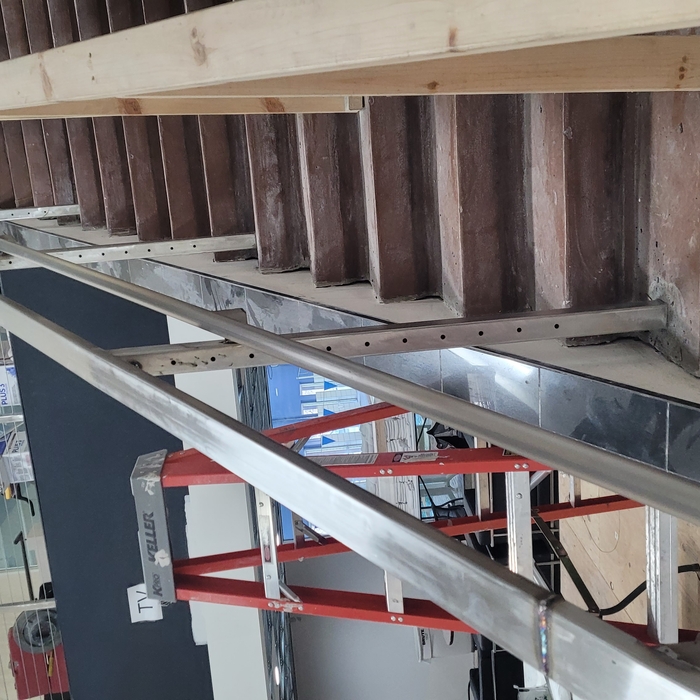
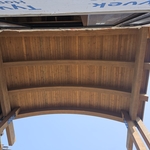
"Took out some stairs that were falling apart and gave us a very nice, sturdy, new set. Orion was very professional from the start and got the work done in a flash. Worth every penny from the estimate through the project."
Archways
Archways
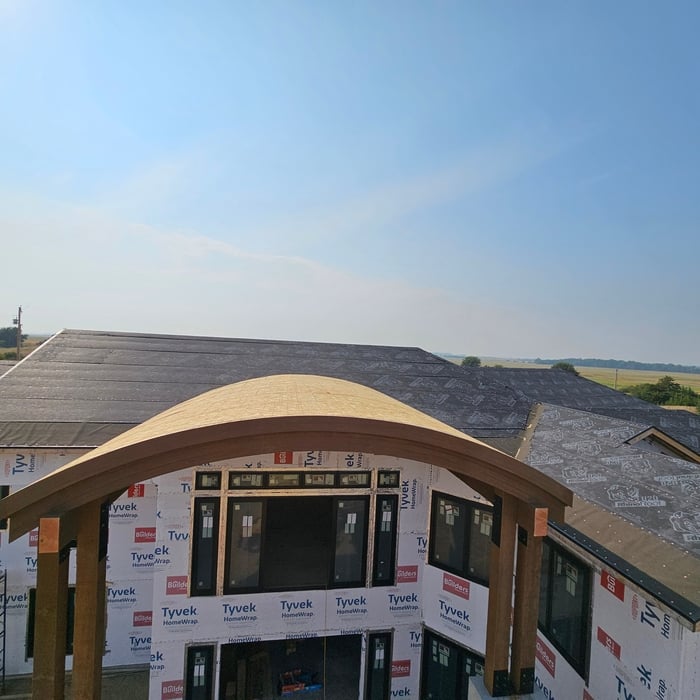
Archways
Archways
Archways

+20

Response time1 day
Response rate94%
2 neighbors recently requested a quote
Showing 1-10 of 25
Fencing questions, answered by experts

Regular lawn care keeps snakes away because it eliminates common hiding places. You can deter snakes by trimming grass, shrubs, and trees and removing weeds from your lawn and gardens. Clear away leaves and other debris that could serve as a potential snake habitat. You can also seal entry points around building perimeters and install metal snake fencing.

When choosing wood for a fence, consider your budget and geographic region. The most popular and common types of wood are cedar, redwood, and pressure-treated pine. Cedar is a top choice due to its natural durability, resistance to rot and insects, and budget-friendly price. Redwood is another durable, tried-and-true option, though it is typically more expensive. Pressure-treated wood, such as pine, is also a widely used and popular alternative. These materials are readily available at most hardware stores, which makes future repairs and replacements easier. Their accessibility and long-lasting performance make them excellent choices for most fence installation projects.

For a chain link fence, the ideal distance between fence posts is 6 to 10 feet apart. Measure carefully to ensure even spacing, and resist the temptation to extend the distance more than 10 feet. Doing so could impact the stability of your fence.

A barbed wire fence will last an average of 15 to 20 years, but the life expectancy can range anywhere between five and 50 years. Thicker wires last longer, as do fences made with galvanized metal. If the barbed wire fence is in a climate with harsh winters and summers, it likely won’t last more than 10 to 15 years. Failing to keep up with maintenance and repairs will also shorten the lifespan of a barbed wire fence.

A fence gate can sag for several reasons. The issue often stems from the hardware, such as damaged or bent hinges, or loose screws that can no longer support the gate's weight. The gate frame itself might also have come out of square due to failing supports. Alternatively, the problem may not be the gate but the supporting fence post, which could be leaning or out of place. In many cases, fixing a sagging gate is as simple as tightening the hinge screws or upgrading to more robust hinges.

The Saint Edward, NE homeowners’ guide to fencing services

From average costs to expert advice, get all the answers you need to get your job done.