




Top-rated carpenters.

Best carpenters near Raymond, NE

Enter your zip and get matched with up to 5 pros

TRUSTED BY RAYMOND, NE HOMEOWNERS

  • Average homeowner rating star icon4.3
    Average homeowner rating
  • Verified reviews icon12
    Verified carpentry services reviews

Top-Rated Carpenters in Raymond - Updated Nov 2026

Avatar for OKI Home Services
OKI Home Services
5.0(
70
)
Deck or Porch - RepairExterior Shutters - Repair or RestoreGazebo or Freestanding Porch - Repair+3 more

Serving Raymond, NE and surrounding areas

Approved

In business since 2015

Free estimates

Emergency services offered

"He was not only professional but very pleasant. He was knowledgeable about a number of things I asked about - to do with my deck as well as other things! It is clear he is experienced and he was also reasonable in his cost. I would trust him to do any number of home improvement and repair projects!"
Bathroom remodel
Bathroom remodel
Deck sealing
Deck sealing
Deck sealing

+6

15 neighbors recently requested a quote
Recommended by44%of homeowners

Avatar for Deck Doctor
Deck Doctor
4.8(
34
)
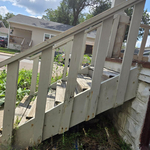
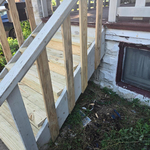
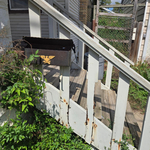
Deck or Porch - RepairWood Stairs and Railings - Install or ReplaceWood Stairs and Railings - Repair+3 more

Serving Raymond, NE and surrounding areas

Approved

In business since 2024

Free estimates

Credit card accepted

"Personable, professional, timely, project focused. Impressed with company from first on site visit for estimate, quality of materials offered, and fair pricing to completion of build. Workers cleaned up and secured site at completion of each work day. When it was necessary I was brought up to date when plans skewed from original and given options to pursue. I was told when project would start and approximation of completion date. It was one day off due to weather!"
Response time2 days
Response rate96%
29 neighbors recently requested a quote
...
Showing 1-10 of 154
Carpentry FAQs, answered by experts

When choosing a drywall anchor, consider the weight of the object you're hanging and how much weight the anchor will need to support. The heavier the weight, the stronger the anchor you'll need. You’ll find the weight capacity on the packaging when shopping for anchors. 

Also, remember that you can use more than one anchor when hanging something on the wall. If you're using multiple anchors, divide the object weight by the number of anchors to determine how much each will need to support. If you need help deciding which drywall anchor to use, you can hire a handyperson to hang your objects. 

Learning how to frame a house includes picking the right lumber for the job. Most people will want to pick pine, spruce, or fir for the framing. These types of lumber are affordable and produce sturdy framing for structures. Look for kiln-dried lumber to reduce the risk of shrinkage or insect damage after installation. As part of what’s included in framing a house when you hire a professional, the contractor should order the lumber, so you don’t have to worry about finding the right lumber.

A cross brace for a fence gate should stretch from the top corner of the gate’s hinge side to the bottom corner of its latch side at a 45-degree angle to the bottom of the gate. This positioning distributes the bulk of the gate’s weight to the base of the post, taking pressure off the top hinge.

Yes, you can find ceiling joists using simple tools if a stud finder isn't available.

Using a hammer requires patience and a keen ear. Gently tap the ceiling in a grid pattern, listening for sound changes. A hollow sound indicates space between joists, while a solid, dull thud suggests a joist. Mark the location with a pencil and confirm by tapping from different angles.

Alternatively, you can use a nail, but this method will leave small holes. You'll feel increased resistance when the nail hits a joist. Mark the spot and repeat the process every 16 or 24 inches to map the joist locations. This method is considered less reliable than using a stud finder.

In framing, studs are placed at 16-inch intervals to coincide with the typical spacing of wall materials such as drywall or plywood. This spacing is called "on-center" and is necessary for maintaining structural stability and efficient use of materials. The 16-inch spacing also helps to distribute the weight evenly across the building's structure. For those looking to cut material costs and improve energy efficiency, 24-inch stud spacing can be employed through a method called "advanced framing". This requires careful planning and adherence to local building codes to ensure structural integrity.

The Raymond, NE homeowners’ guide to carpentry services

From average costs to expert advice, get all the answers you need to get your job done.