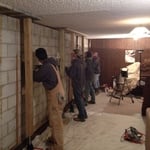
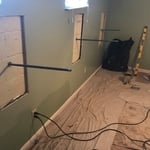
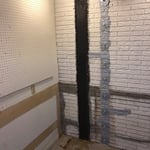
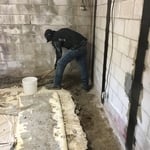
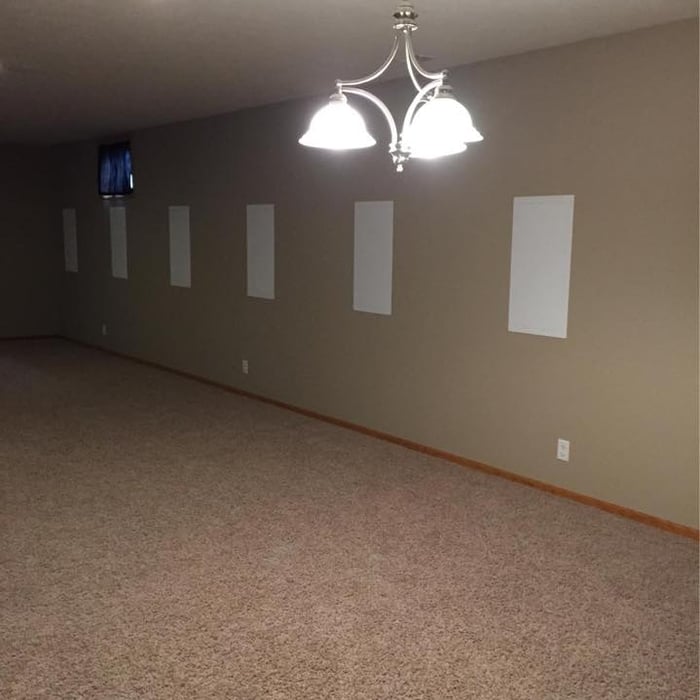
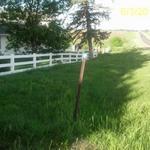
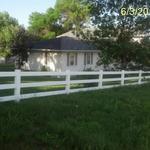
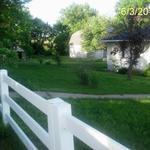
"Dakota and his team did an awesome job. Very professional through the whole time they were here. We actually had two companies bid the project and the other company was 2-3x higher then EPP. Their mason will be out in a couple of days to do crack repair but have total confidence due to the workmanship of the pier lifting."
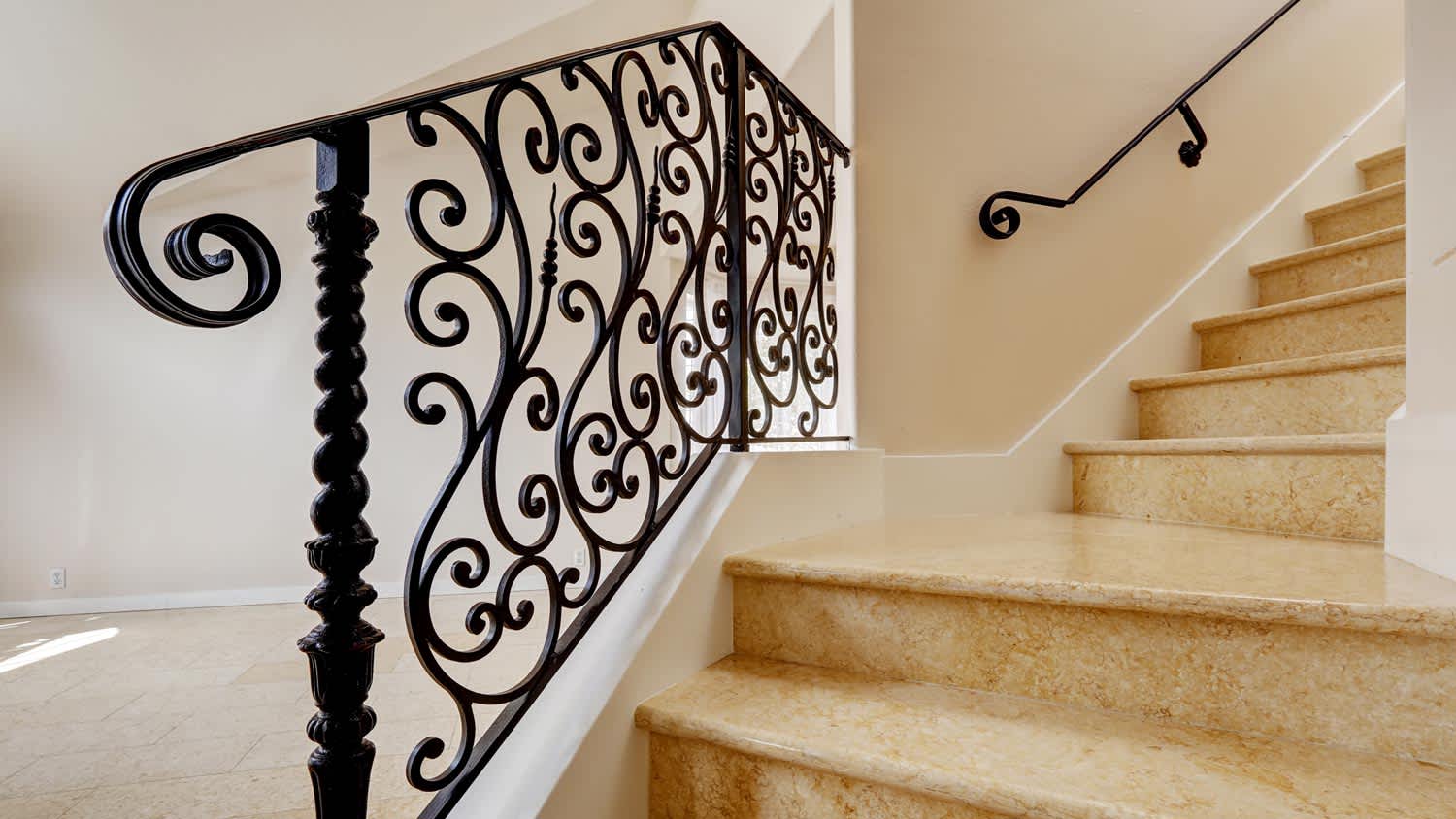
H&W Stair and Rail LLC is committed to excellence in every aspect of our business. We uphold a standard of integrity bound by fairness, honesty, and personal responsibility. Our distinction is the quality of service we bring to our customers. Accurate knowledge of our trade combined with ability is what makes us true professionals. Above all, we are watchful of our customers interests, and make their concerns the basis of our business.
We pride our company on reliability, great communication, integrity, and quality work. We are experts in our trade and will do our best to keep you as educated as we can on your particular task or project. We look forward to earning your business!
Costs depend on unit complexity, labor, wall mounting needs, and additional accessories like floating shelves.
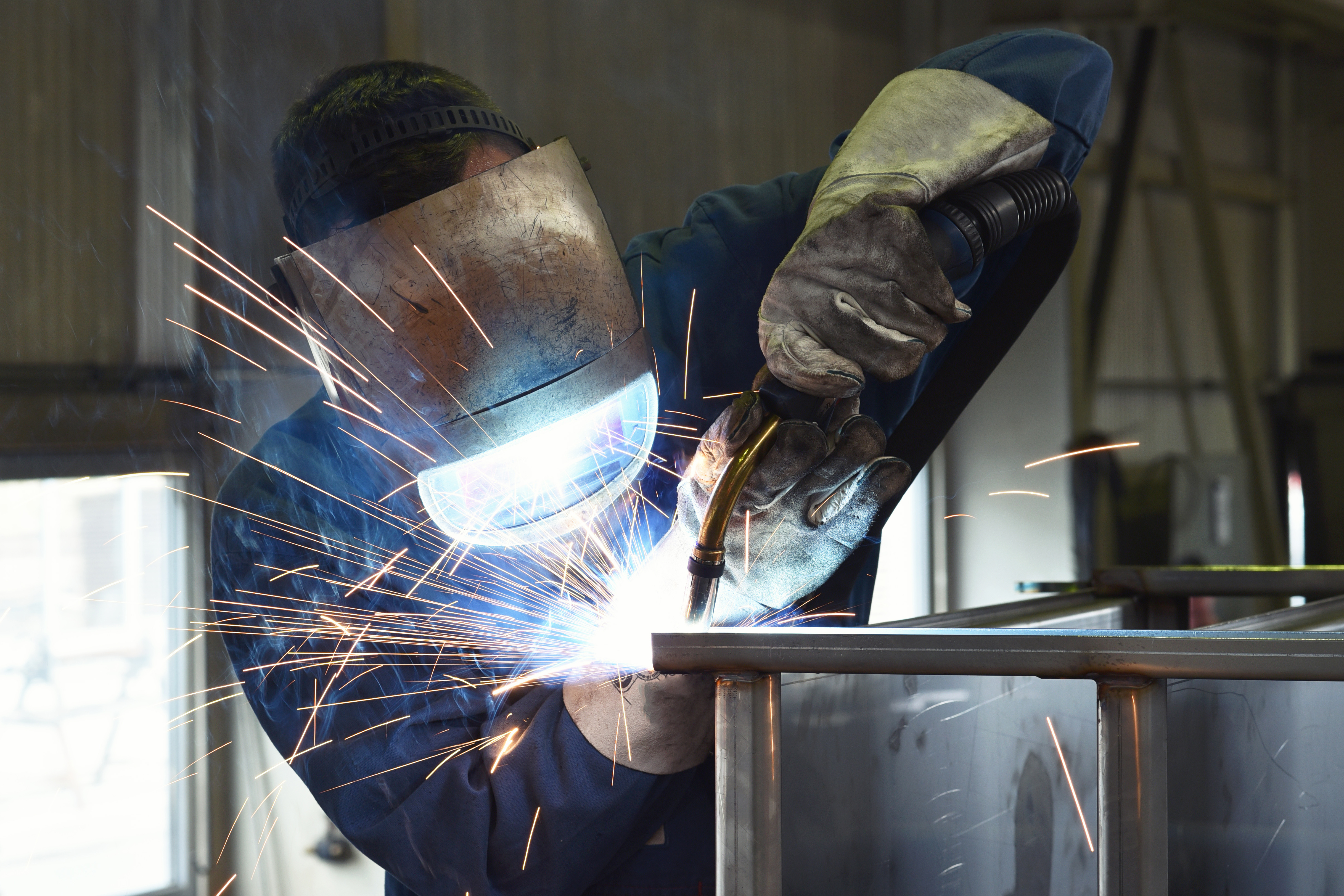
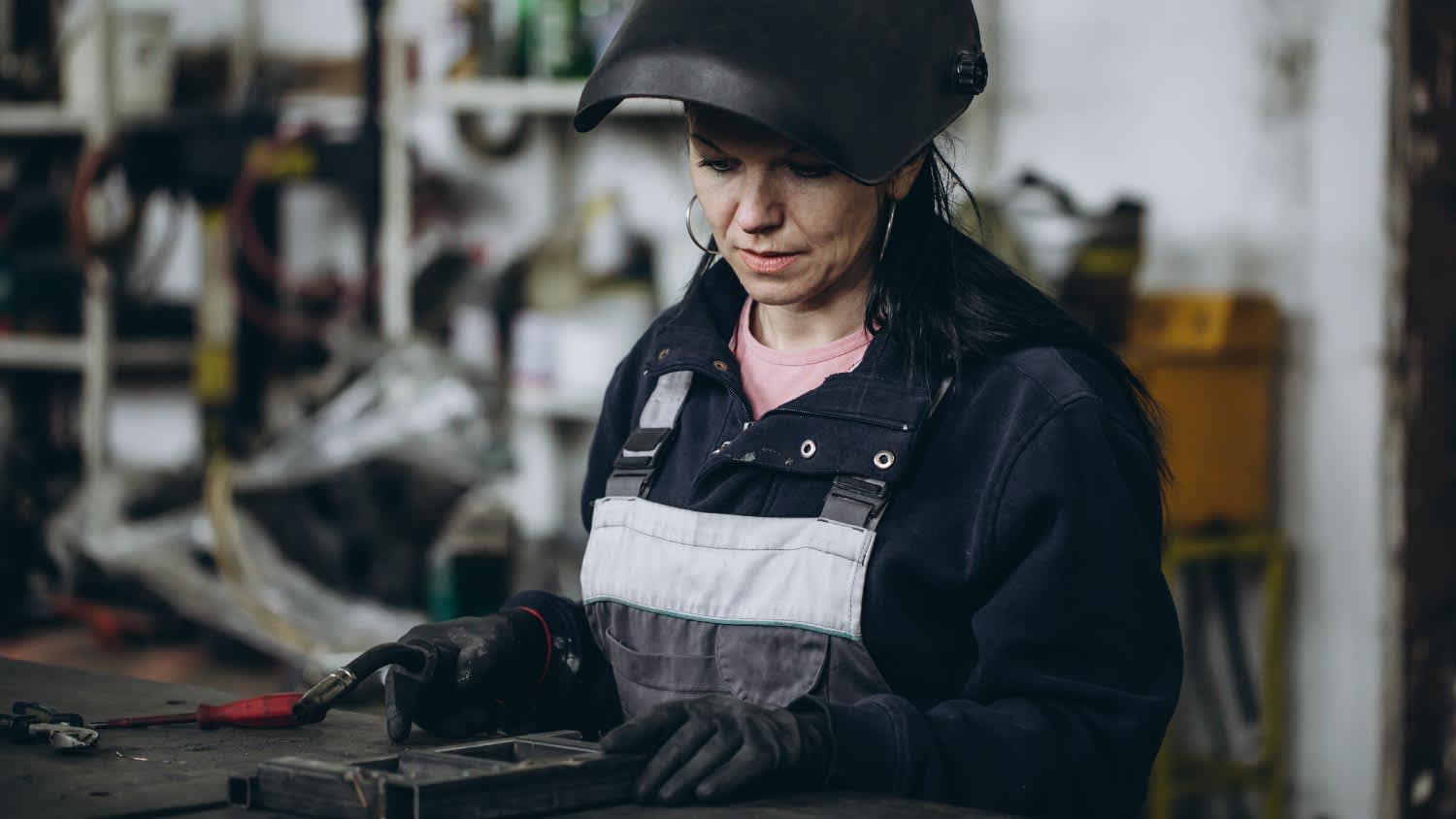
Welding is the process of using extreme heat—and, sometimes, pressure—to attach two pieces of metal. In contrast, metal fabrication is a more involved process that can include welding, sheet metal work, bending, and other forms of metal manipulation. Metal fabrication is a large-scale project that may or may not involve welding, while welding is more often a step in larger fabrication projects.
Cutting rectangular ductwork requires careful measurements and the right technique. Use a measuring tape and pencil to mark the cutting lines accurately. Tin snips are excellent for straight cuts on smaller ducts. For more extensive or thicker rectangular ducts, a reciprocating saw with a metal-cutting blade is effective.
Ensure the duct is well-supported and secure while cutting to prevent wobbling and maintain precision. After cutting, use a metal file to smooth any sharp edges, ensuring safety during installation.
Yes, you can use a saw to cut metal pipes. The best saw to use is a reciprocating saw, but even a fine-tooth hacksaw can get the job done. No matter which saw you use to cut metal pipes, wear protective gear, like work gloves, safety goggles, and ear plugs. Apply a firm, steady pressure to the tool, and always ensure the pipes are secured so they don't move while you make the cuts.
Welders use a variety of methods in their trade. Different types of welding are better suited for different purposes and contexts. For example, stick welding is a versatile form suitable for most metals and alloys.
The most common types of welding include:
Stick welding: $100–$1,000
Metal Inert Gas (MIG) welding: $250 and up
Tungsten Inert Gas (TIG) welding: $250 and up
Gas welding: $150 and up
Forge welding: $15–$25 per hour
The Hastings, NE homeowners’ guide to welding services
From average costs to expert advice, get all the answers you need to get your job done.
When you need help with a metal project and don’t have the expertise or the time, call an expert welder for your project. Here’s how to vet and hire a welder.