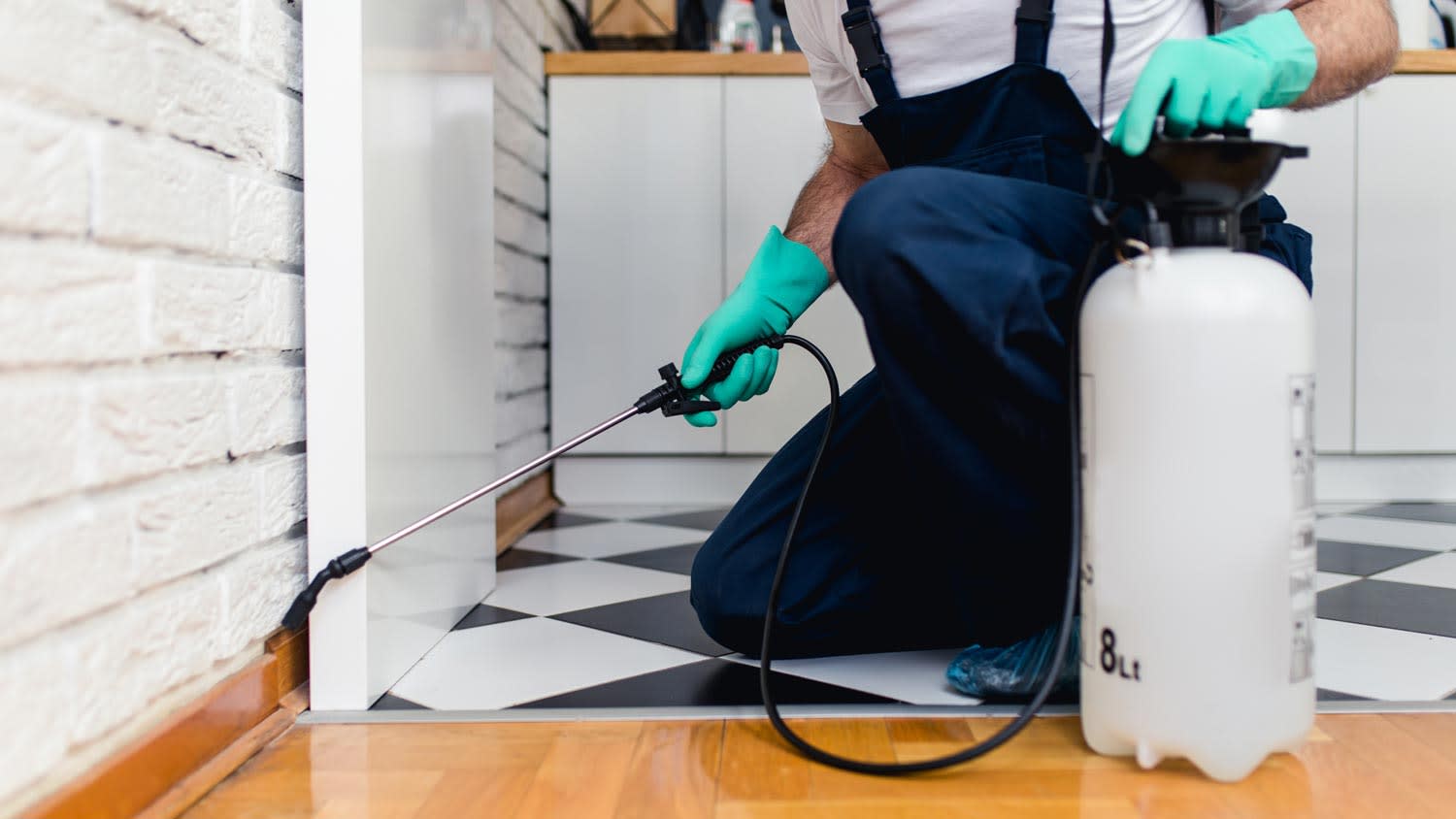
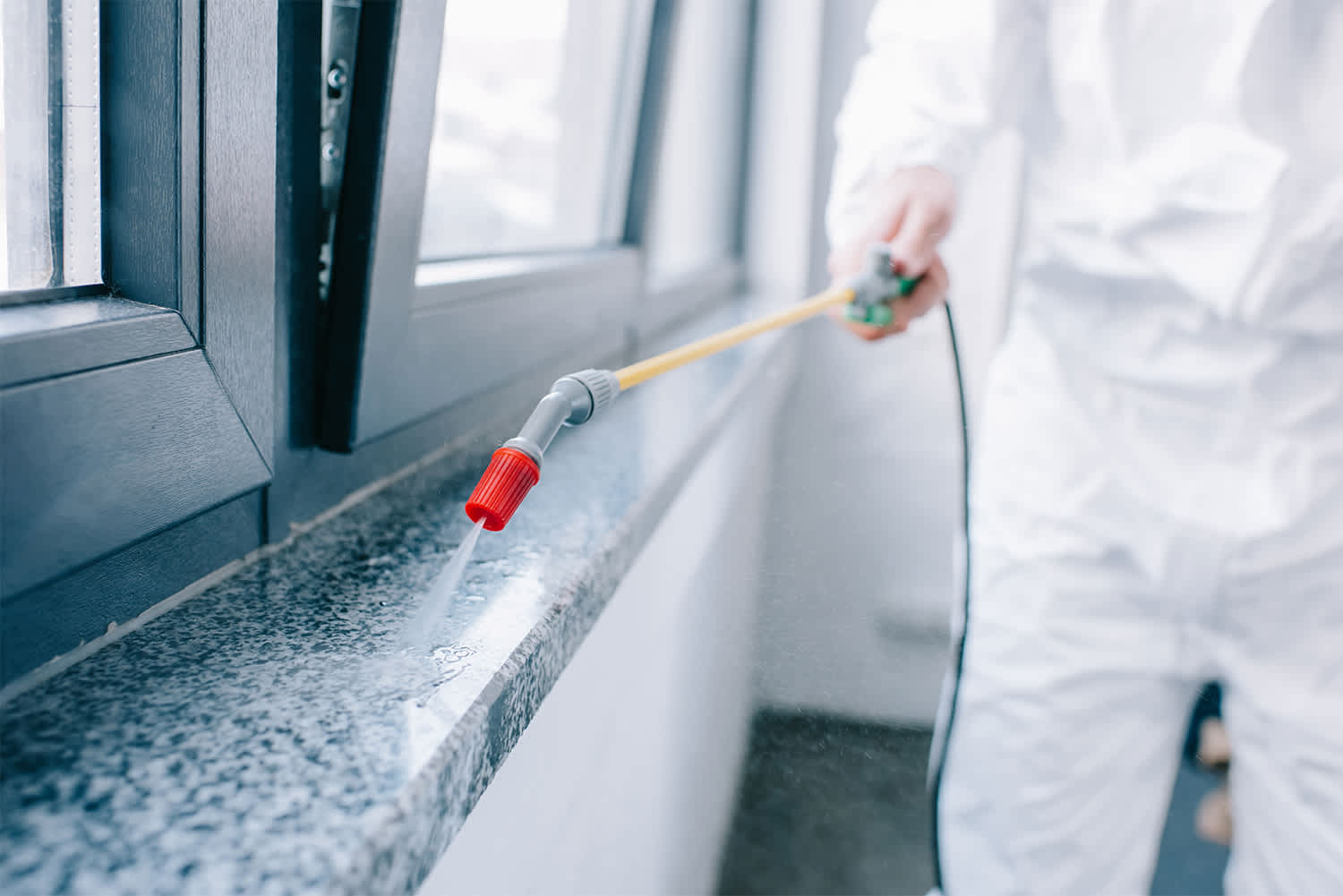
When pests show up, so do we.\n\nFor nearly a century, Terminix® has been one of America's most trusted names in pest control. Every day, our exterminators serve thousands of homes and businesses nationwide, combining national service with local knowledge to provide best-in-class, proactive pest management solutions. We stop problems before they start and respond quickly if issues arise, keeping your property protected.\n\nAnd for extra peace of mind, if pests come back, so do we — guaranteed.\n\nThe Terminix It Guarantee means that if pests come back, so do we, to re-treat at no additional cost. No excuses, just a commitment to care for your home like it's our own with protection you can trust.
"I have a contract with them so I have to use them again. It pays for itself eventually if you get good repair people. You don't control who they send."
Some snake repellents are risky to use around people and pets because they use the active ingredient in mothballs, naphthalene. The United States Environmental Protection Agency (EPA) has classified naphthalene as a carcinogen that can cause damage to the liver, neurological issues, and cataracts.
The Colorado State University Extension suggests there’s not enough conclusive evidence of the effectiveness of snake repellents to recommend their use.
Yes, badgers can benefit the environments they live in. As they dig and feed, they carry and disperse seeds, which helps plants spread and grow. They also build tunnels that other species, like rabbits and foxes, can move into. However, these benefits may not be desirable on your property, and badger removal may be preferable.
DIY removal risks harming bees and you. Professionals offer safe and effective solutions protecting both parties.
Whether you should get rid of paper wasps depends on a few factors. If you are dealing with a large population and have household members or pets that are being stung frequently, it’s best to get rid of these wasps. But they aren’t all bad. Paper wasps feed on common garden pests, like caterpillars and beetle larva, that can harm your plants.
It’s very rare to find mice in a bed frame or mattress outside of the most extreme infestation scenarios. That said, your bedroom isn’t off limits for mice if it offers them shelter, food, and warmth. Look for any gaps or openings a mouse could squeeze into, and don’t keep food in your bedroom.
The Gordon, NE homeowners’ guide to pest control services
From average costs to expert advice, get all the answers you need to get your job done.