Here at Gold De Laux Residential Modifications, we specialize in many types of home improvement. We pride ourselves in doing quality work at a reasonable price. We have the expertise to handle a wide variety of projects with quality workmanship and service.
Burns Construction, is a full service general contracting firm operating in the greater SW NE area for many years. We pride ourselves in our attention to detail and our unsurpassed customer service. The quality of our work speaks for itself and we look forward to working with you on your next project.
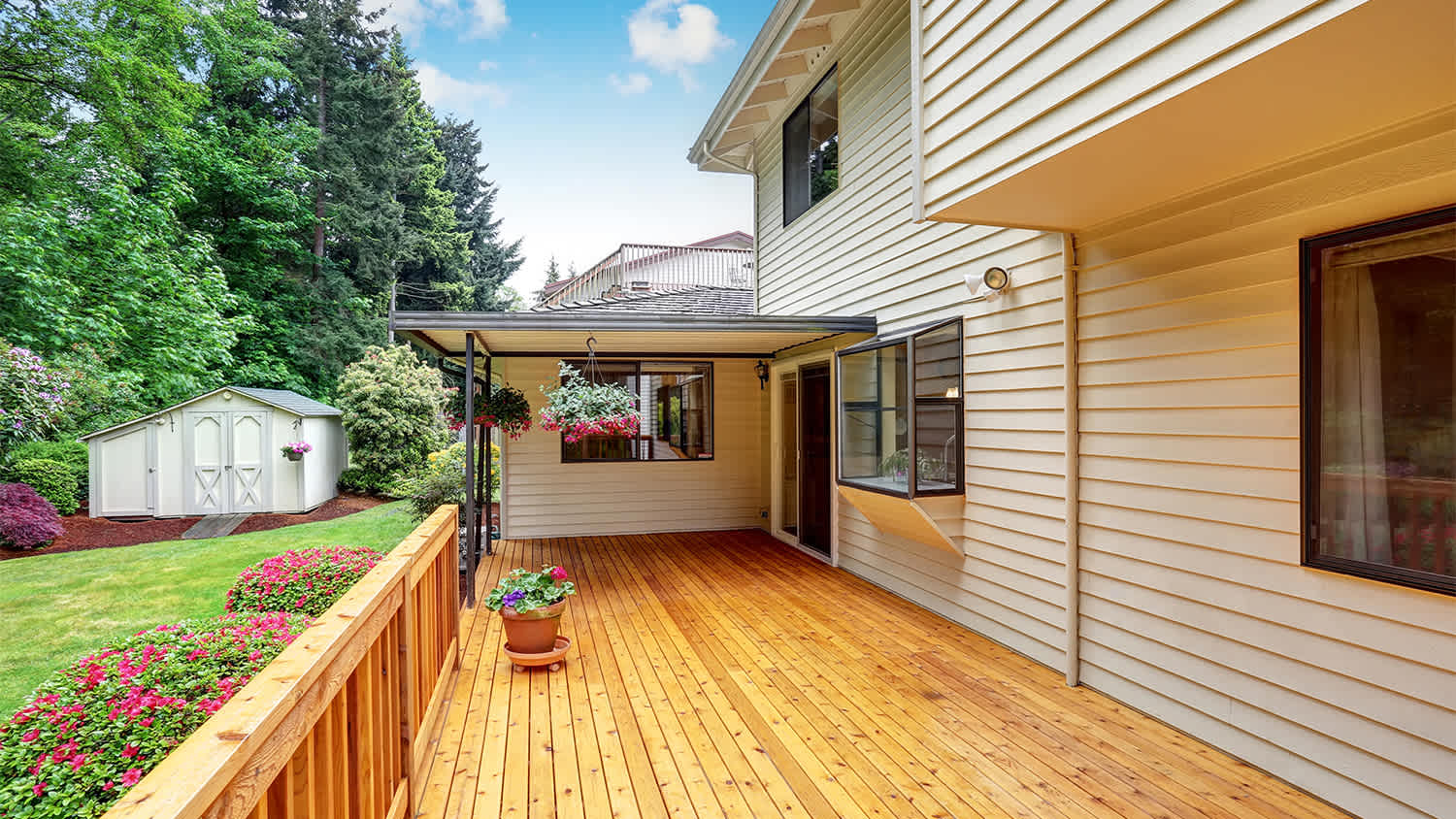
Choosing whether your deck should be lighter or darker than your house is a matter of personal preference, as there is no right or wrong answer. However, considering the pros and cons of each can help guide your decision. Darker colors are often chosen because they show less dirt, footprints, and marks from daily wear, making them easier to keep clean. On the other hand, lighter deck colors tend to stay cooler in the summer. From a design perspective, using a deck color that contrasts with your home's exterior can help make the deck a more defined and distinct feature. Consulting color theory can also make the process of choosing a complementary house and deck color combination easier.
Ideally, a gate should be able to swing both in and out. However, if it can only open in one direction, it is generally best for it to swing inward. This is often the safest option, especially for deck gates near steps, as you'll want the gate to swing away from the stairs. An inward swing also prevents the gate from opening into a public space, like a sidewalk, and can be more convenient when carrying heavy items like a wheelbarrow into a garden.
There are exceptions, however. The layout of your property may require a different approach. For example, if your property is on a slope, the gate may not be able to swing inward. You should also ensure the gate can open fully without colliding with any objects or blocking access to other areas. For a backyard garden gate where public access isn't a concern, the direction it swings is largely a matter of personal preference. Finally, always check your local building codes, as they may have specific requirements for which way a gate must swing.
Yes, it is generally safe to have a fire pit on a deck, but you must adhere to building codes and take several safety precautions. For both built-in and freestanding models, you must use a heat-resistant barrier, such as a fire pit pad or heat shield, between the pit and the deck. Additionally, consider the weight of the fire pit and ensure your deck can structurally support it, reinforcing it if necessary. The fire pit must also be positioned a safe distance from your house, particularly from materials like vinyl siding, to prevent heat damage.
Yes, deck pier blocks can be used as an alternative to traditional deck footings, particularly for small or low-to-the-ground decks. Unlike poured concrete and buried post footings, deck blocks don’t require digging or pouring. However, their use is regulated by local building codes, and they may not be permitted in areas prone to high winds, earthquakes, or hurricanes. Always consult your local building codes before choosing them for your deck project.
Ultimately, overapplication of stain can compromise the deck's appearance, durability, and longevity. It may result in an uneven finish, with excess stain pooling, dripping, or drying into thick patches. It can also obscure the wood's natural grain and texture, detracting from the desired aesthetic. Moreover, excessive staining may not fully penetrate the wood, leading to poor adhesion and premature wear. Additionally, thick layers of stain are prone to peeling, cracking, and blistering as they struggle to bond with the surface.
The Curtis, NE homeowners’ guide to deck repair services
From average costs to expert advice, get all the answers you need to get your job done.
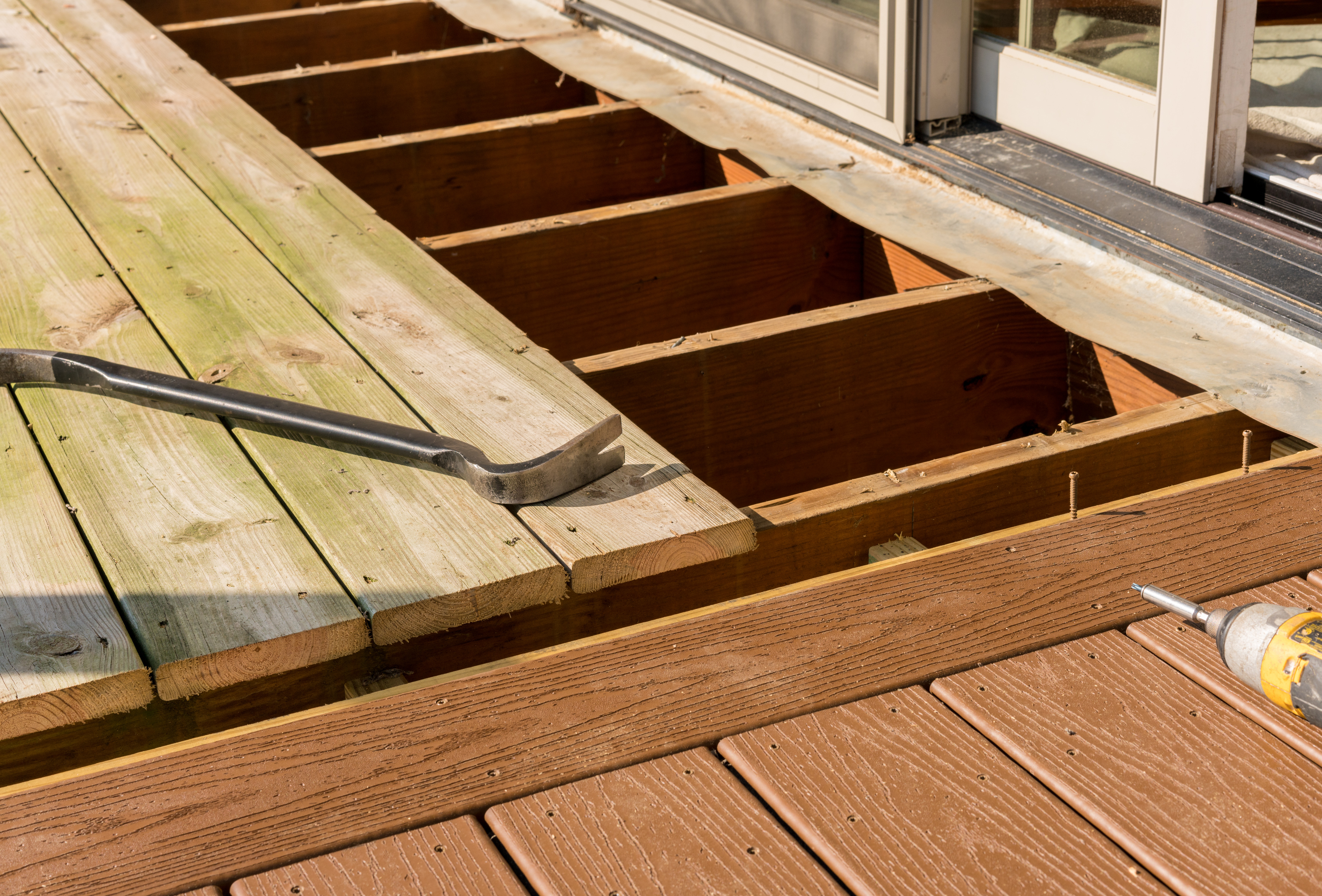
Deck replacement costs depend on materials, any structural damage you need to fix, and more. This guide explores how much it costs to replace or repair a deck.
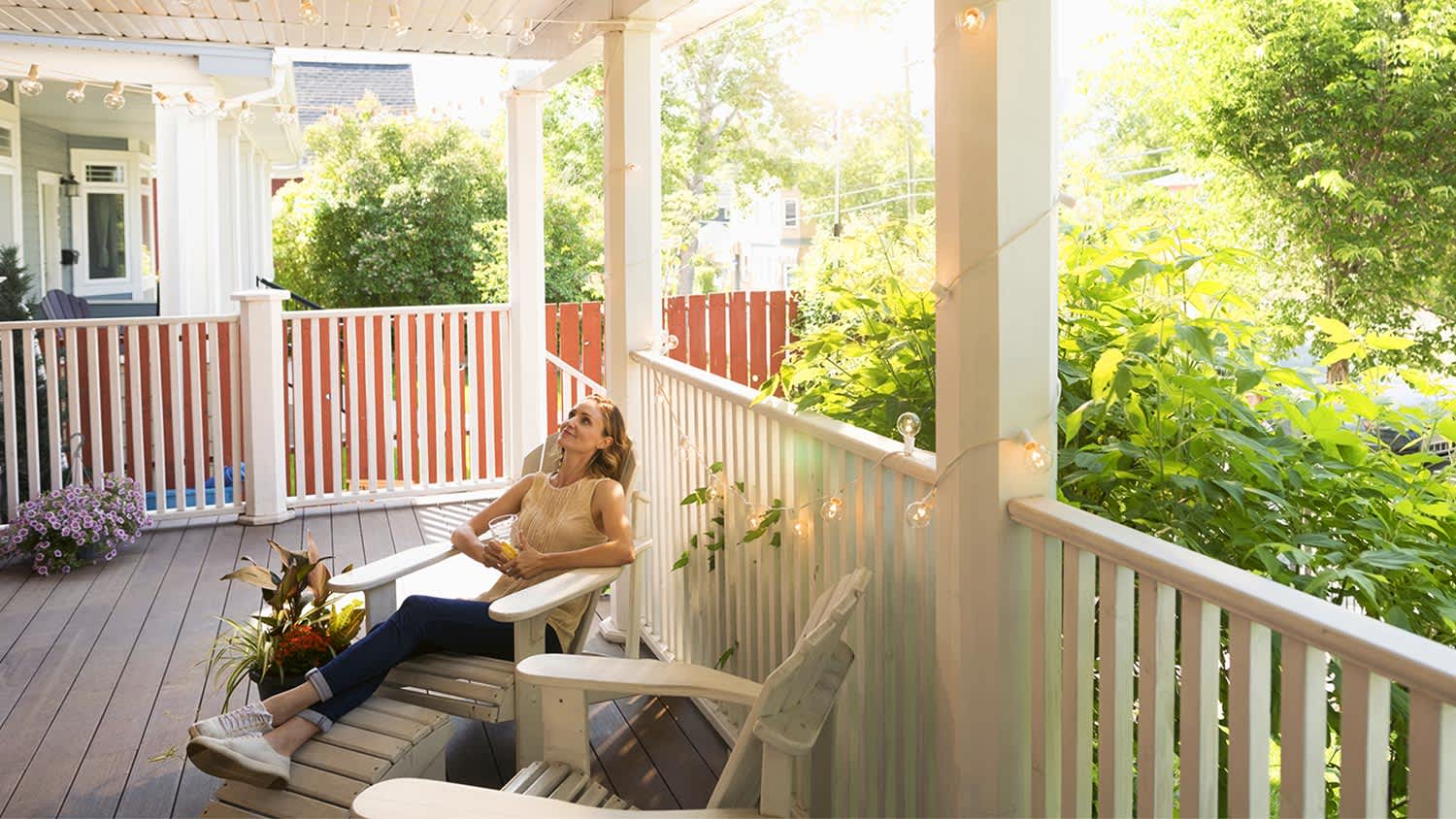
Old and run-down porch railings can be an eyesore and pose a risk of falling. Find out how much it costs to replace your worn out porch railings with new materials.
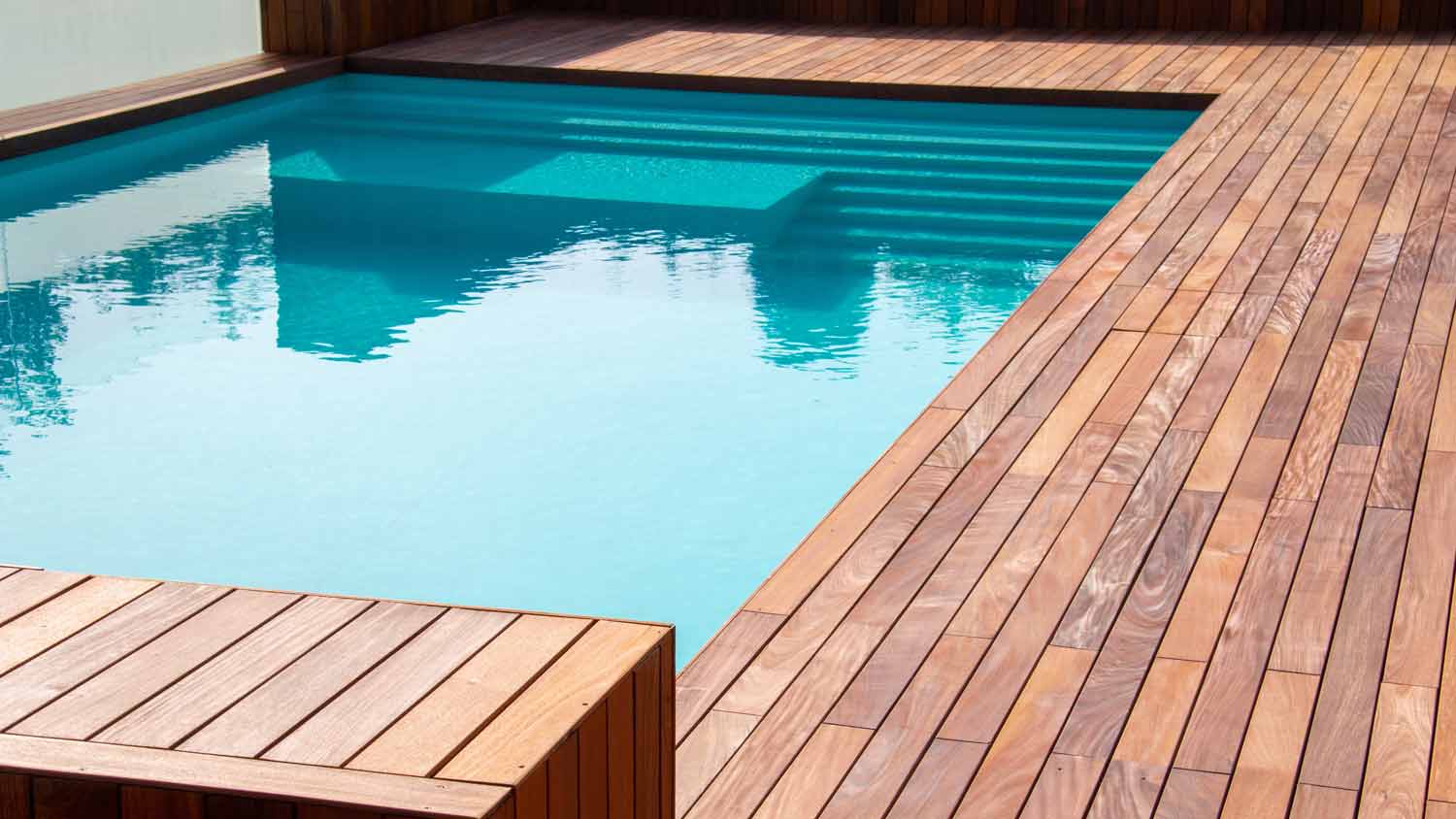
The cost to paint a pool deck depends on the dimensions and material, the type of paint, and whether you DIY. Read on to help determine a project budget.
If your deck is in bad shape, this deck repair checklist will help you inspect, clean, maintain, and repair it without missing any vital steps in the process.