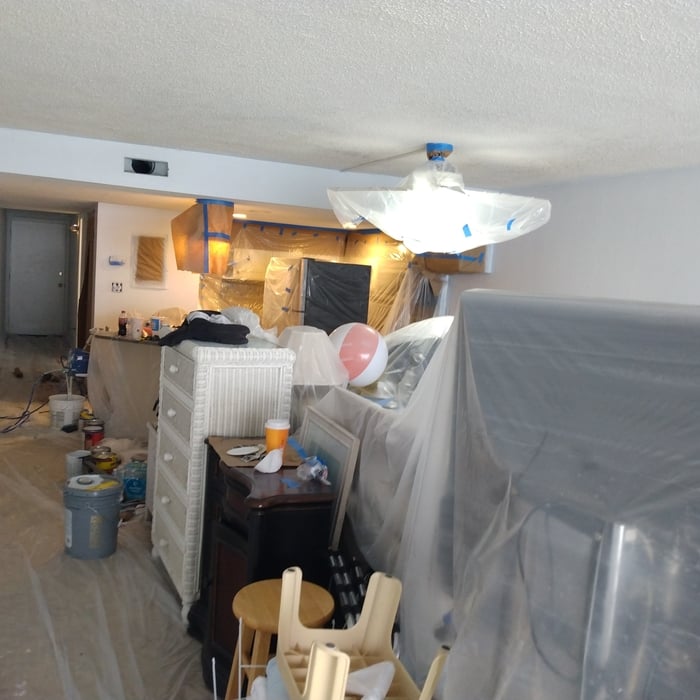




"Carlos was professional and polite. Moved everything out of the way and then put it back upon completion. I didn’t have enough paint when they showed up , so he and the crew waited patiently while I went to buy more."

"I only use James when I need some work done to my house. He responds fast, gets the work done quicker than just about anyone else I've ever used and seems very concerned with leaving his customers happy."
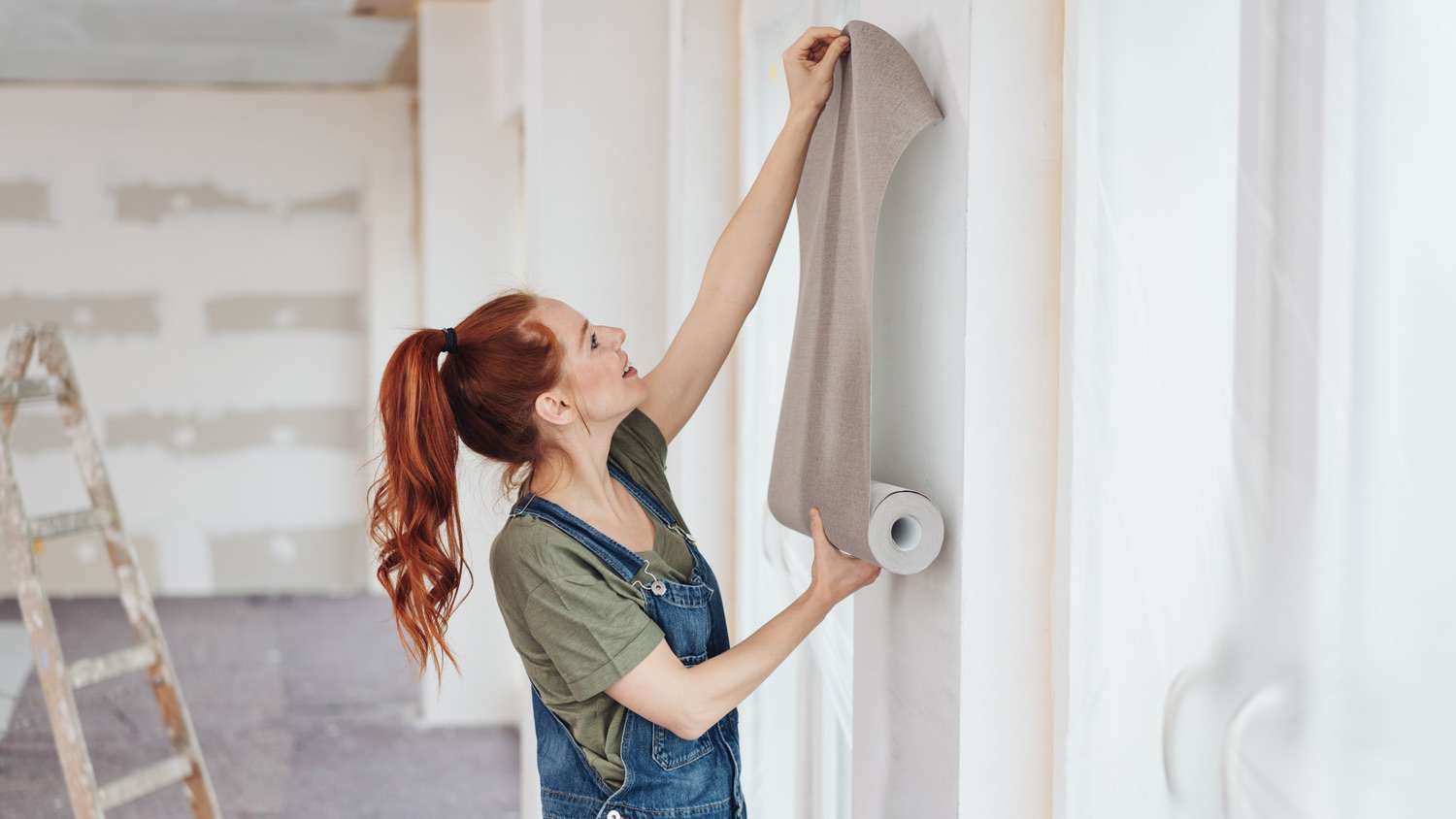
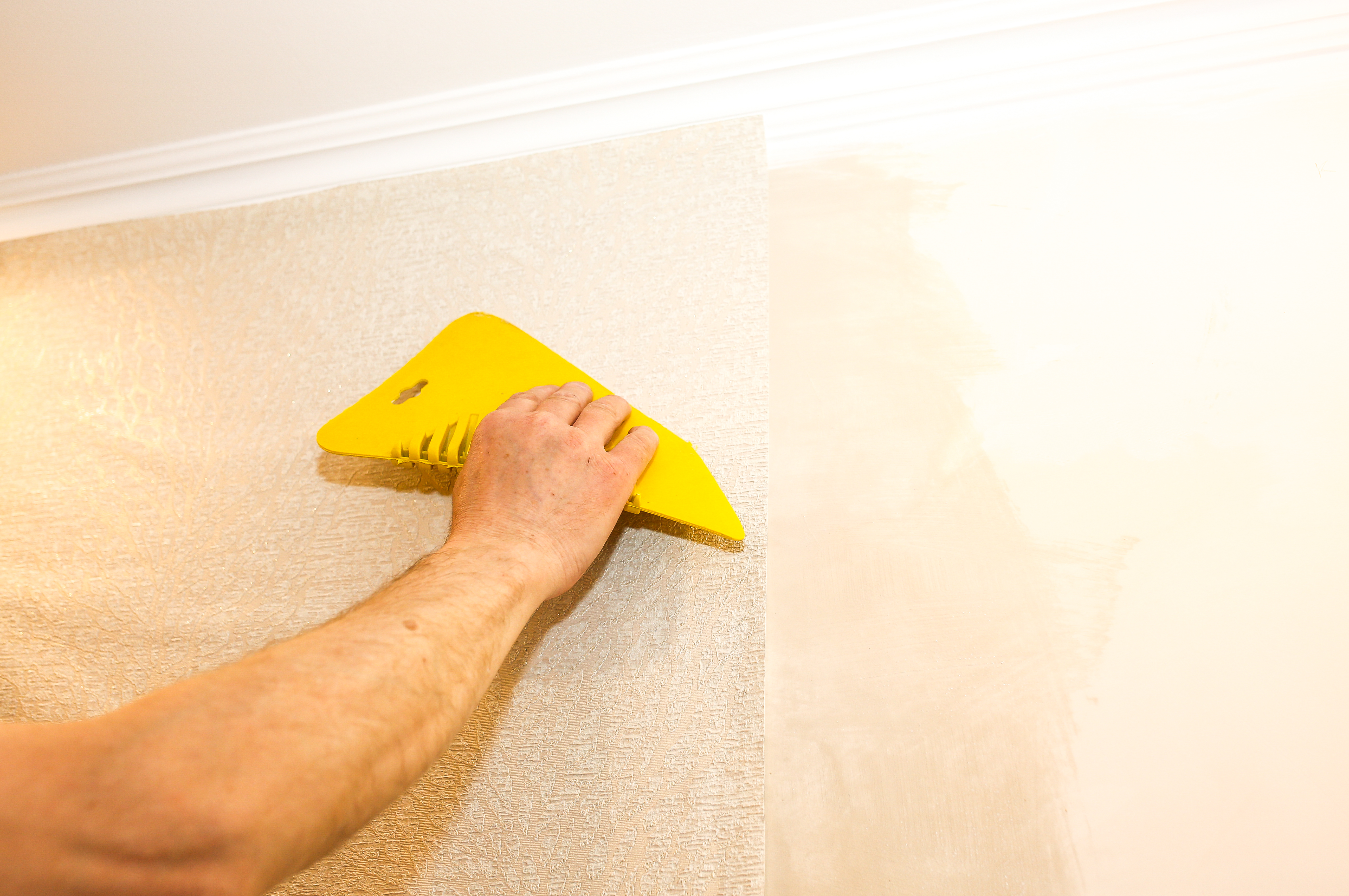
In most cases, it is not recommended to wallpaper over existing wallpaper, as the success depends on the type of paper already on the wall. While you might be able to cover non-coated wallpaper, you should never apply new wallpaper over a vinyl-coated one, which is more common. Doing so can lead to poor adhesion, resulting in bubbles, imperfections, and peeling. It can also trap moisture, potentially causing hazardous mold growth between the layers.
Even if the existing wallpaper is suitable, experts recommend applying only one new layer. Adding multiple layers (more than two total) can cause significant adhesion problems, leading to warping and bubbling. For the best results, the recommended approach is to remove the old wallpaper and all paste residue before hanging the new paper. If you are unsure about your wallpaper type, consider consulting a professional.
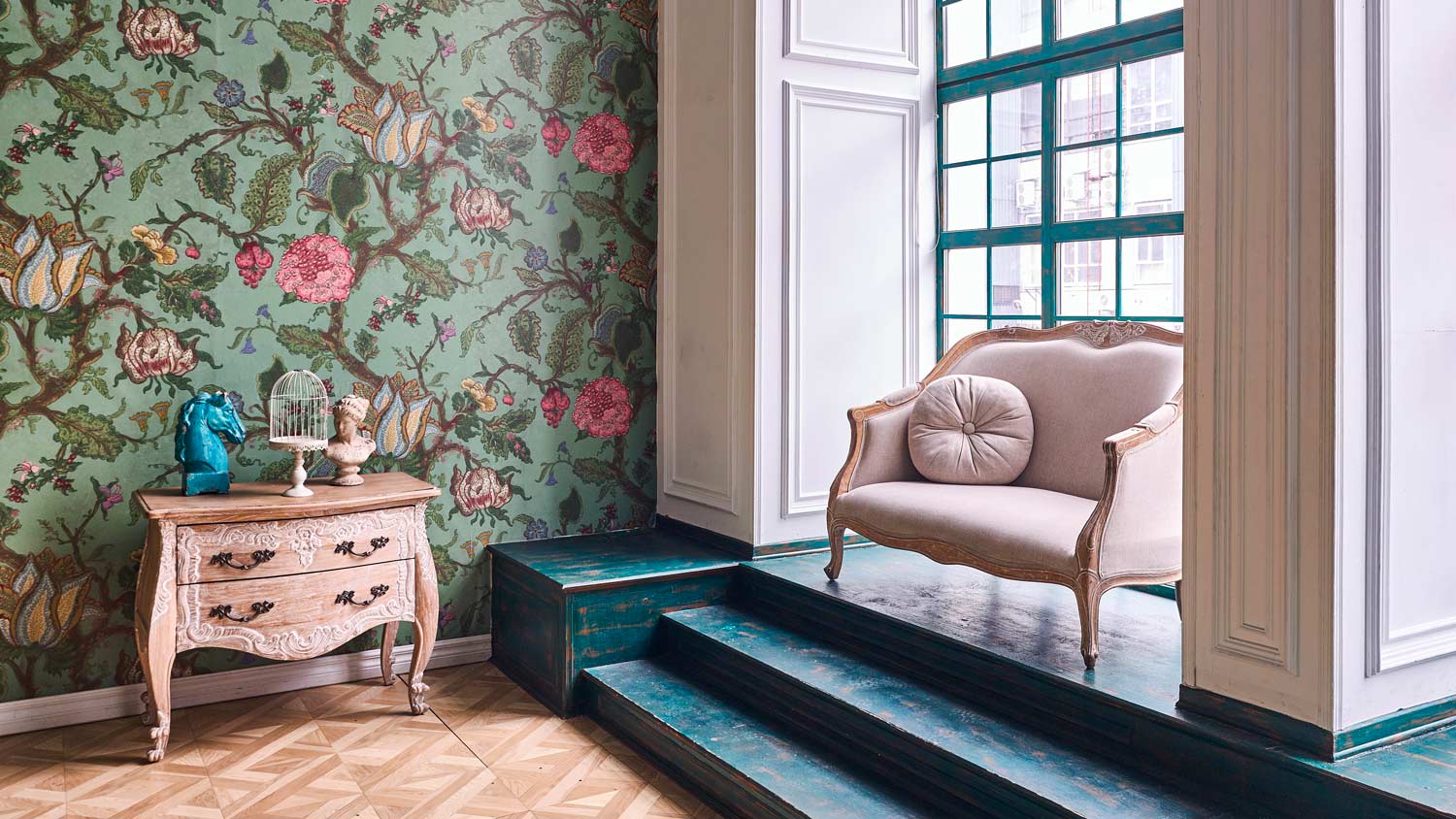
Wallpaper lasts an average of around 15 years, but there is some variance. The type of wallpaper matters, as vinyl wallpaper tends to last the longest—sometimes 20 years or more—while a peel-and-stick wallpaper, which is the easiest to install for DIYers, will usually only last for around five years. Exposure to high humidity, smoke, and UV rays from sunlight can also limit the lifespan of your wallpaper, as can heavy traffic in the installation area.
Your peel-and-stick wallpaper can fall off for multiple reasons, including high humidity levels, extreme temperature changes, poor installation, and even the wall surface. Textured walls can prevent the adhesive from fully sticking to the wall, making it more likely for the wallpaper to peel off. Low-quality wallpapers with weaker adhesives are also more likely to fall off prematurely.
Yes, you can put wallpaper in a bathroom, but whether it's a good idea depends on several factors. Because bathrooms are high-humidity areas, it's crucial to choose a water-resistant wallpaper, such as one made of vinyl. Proper wall preparation is also critical to ensure the paper adheres well, even after many steamy showers. The wallpaper's placement also affects its longevity; it will hold up better on an accent wall or away from direct water contact, rather than immediately next to a shower. A well-ventilated bathroom will yield the best results.
If you need a stronger magnetic surface, or you need to use a different type of paint in the room (like waterproof paint in a damp basement), there are other accessible options. You could fit a steel panel over the wall, try magnetic wallpaper, or apply chalk paint instead.
If you want an inexpensive shortcut, hang a pinboard or chalkboard on your wall. These removable options are ideal if you’re a renter who can’t repaint or plan to move in the near future.
The Clarks, NE homeowners’ guide to wallpaper services
From average costs to expert advice, get all the answers you need to get your job done.
Discover wallpaper installation cost. Learn about material, labor, and project factors to estimate your budget and make informed choices for your home.
Wallpaper removal requires physical labor and can be a sticky mess. Consider these tips on the best ways to remove wallpaper to make the process as smooth as possible.
Is washable wallpaper suitable for bathrooms? Yes, but this only applies to certain types of wallpaper in specific situations. Here’s what you need to know.