





Top-rated deck maintenance specialists.

Get matched with top deck maintenance specialists in Clarks, NE

Enter your zip and get matched with up to 5 pros

Need a pro for your deck maintenance project in Clarks, NE?

Select your specific project to find the pro for you.

Find Deck maintenance specialists in Clarks

Avatar for South Carolina Painting LLC
South Carolina Painting LLC
4.2(
9
)

Serving Clarks, NE and surrounding areas

In business since 2021

Free estimates

Credit card accepted

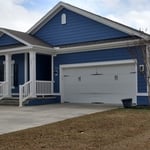
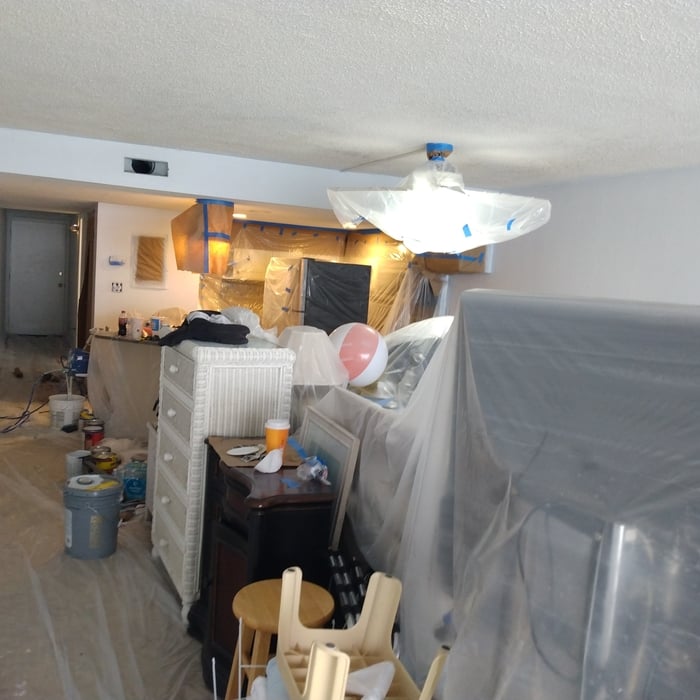
"Carlos was professional and polite. Moved everything out of the way and then put it back upon completion. I didn’t have enough paint when they showed up , so he and the crew waited patiently while I went to buy more."

Exterior painting
Exterior painting
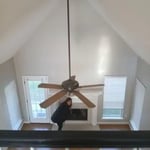
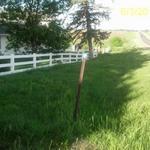
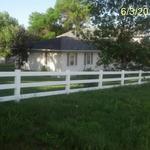
Additional Photos
Additional Photos
Additional Photos

+32

Recommended by77%of homeowners
Avatar for 4 Season Handyman Service - Inicio  Facebook
4 Season Handyman Service - Inicio Facebook
5.0(
1
)

Serving Clarks, NE and surrounding areas

In business since 2020

Free estimates

Credit card accepted

At 4 Season Handyman Service, our company is based on the belief that our customers' needs are of the utmost importance. Our team is committed to meeting those needs. We welcome the opportunity to earn your trust and deliver you the best service. No job is too big or too small for our experienced team. Call today for a free estimate.

Fence Install
Window Install
Railing Install
Stone Work
Patio Build

+17

Response time4 hrs
Recommended by100%of homeowners
Showing 1-10 of 33
Deck Maintenance questions, answered by experts

When sourced responsibly, the most sustainable wood decking options are timber trees like redwood, pine, Douglas fir, Nootka cypress, and Western red cedar. These tree species are fast-growing with low carbon emissions. Plus, most timber woods make durable deck materials because of their resistance to rot and decay over time. 

Space deck handrail posts four to six feet apart. If the posts are more than six feet apart, the railing will be less able to withstand lateral forces and is more susceptible to breaking. Additionally, railing posts that are more than six feet apart may not be up to code, and you may face fines and be required to reinstall the posts to bring them up to code.

Ideally, a gate should be able to swing both in and out. However, if it can only open in one direction, it is generally best for it to swing inward. This is often the safest option, especially for deck gates near steps, as you'll want the gate to swing away from the stairs. An inward swing also prevents the gate from opening into a public space, like a sidewalk, and can be more convenient when carrying heavy items like a wheelbarrow into a garden.

There are exceptions, however. The layout of your property may require a different approach. For example, if your property is on a slope, the gate may not be able to swing inward. You should also ensure the gate can open fully without colliding with any objects or blocking access to other areas. For a backyard garden gate where public access isn't a concern, the direction it swings is largely a matter of personal preference. Finally, always check your local building codes, as they may have specific requirements for which way a gate must swing.

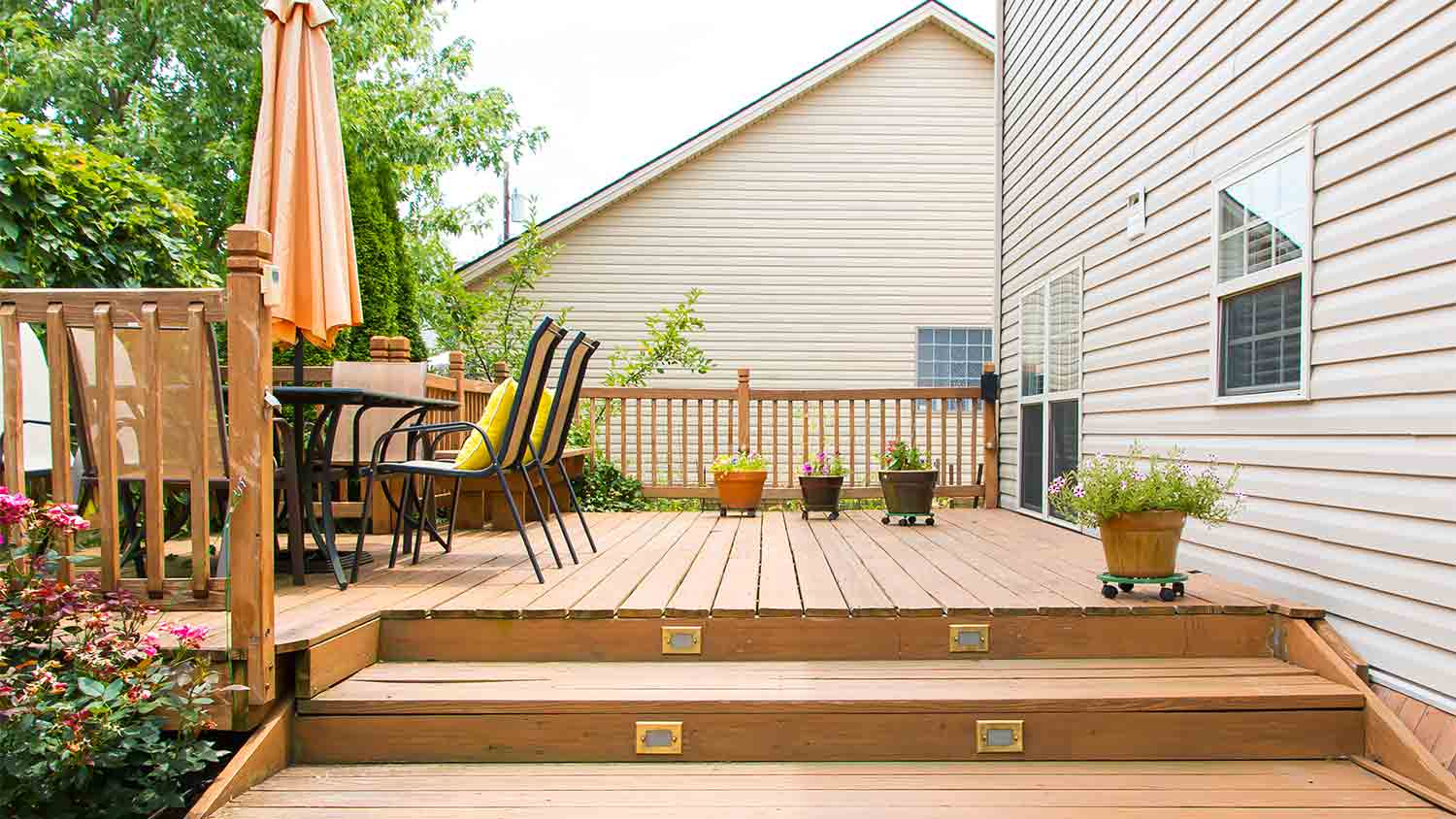
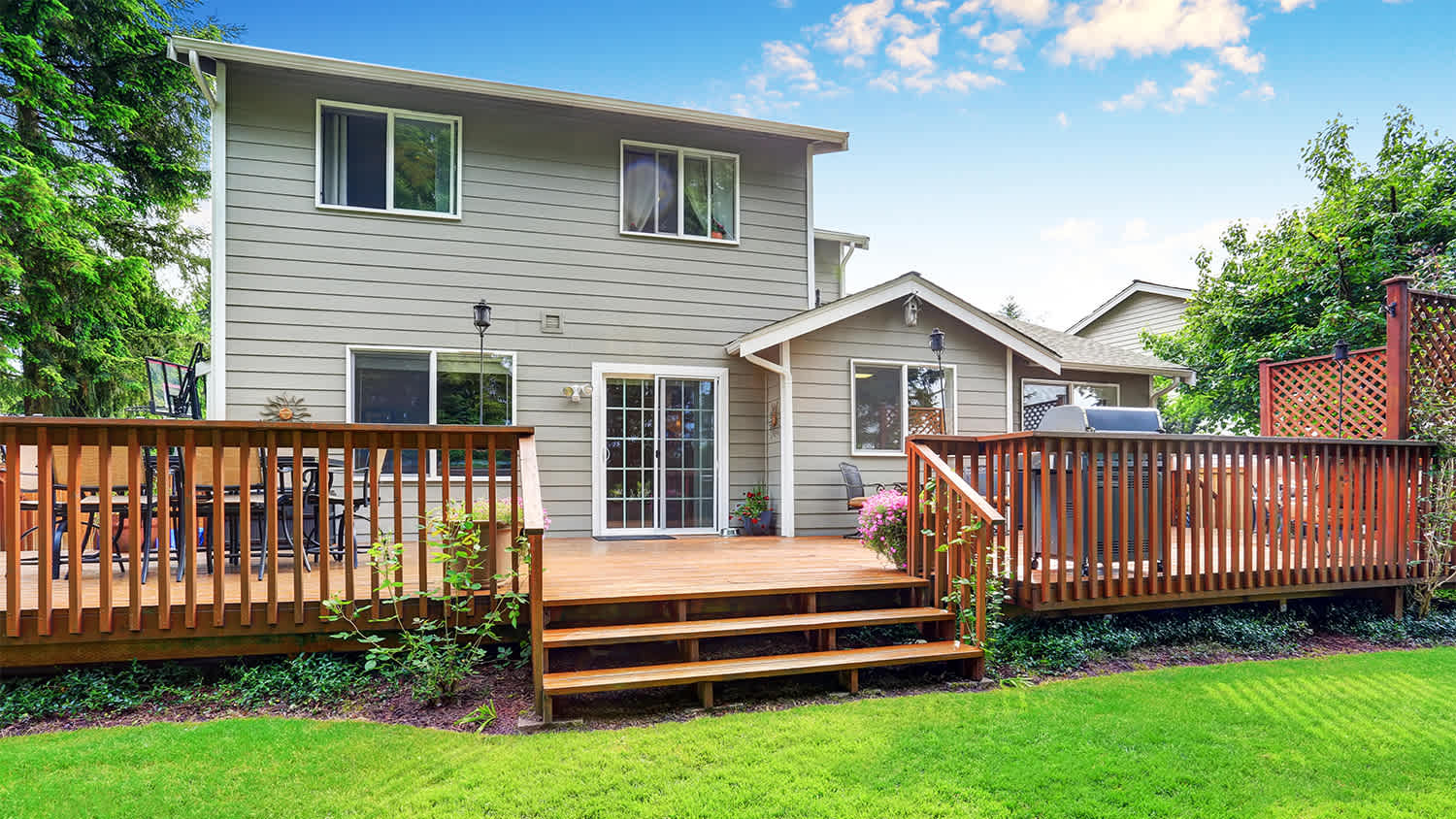
As with patios, there are many types of deck choices to choose from to add personalization to your home. Some common deck options include:

  • Attached decks are anchored to the home and include simple ground-level options or multi-level structures with stairways and separate landings. 

  • Detached island decks are not attached to the home; they’re a freestanding structure in the yard. 

  • Wraparound decks connect the back of the house with at least one other side and often are built with railings for safety. 

  • Multi-level decks connect your deck through varying levels of elevation, featuring landings that are attached to stairs.

Most building codes require that railing spindles (also known as balusters) on decks or stairs be spaced no more than four inches apart. This safety standard is often called the '4-inch sphere rule,' which means a sphere with a 4-inch diameter should not be able to pass through the opening between balusters. This rule is in place to prevent small children and pets from slipping through the railing. For the same reason, the space between the bottom rail and the deck or floor surface should also be no more than four inches. As a general guideline, professionals often install three balusters per foot of railing. However, since specific requirements can vary by location, it is essential to check your local building codes to ensure compliance before starting your project.

The Clarks, NE homeowners’ guide to deck maintenance services

From average costs to expert advice, get all the answers you need to get your job done.