We have over 10 years of experience in the business. Here at PM Tree Service, we pride our company on reliability, great communication, integrity, and quality work. We are experts in our trade and will do our best to keep you as educated as we can on your particular task or project. We look forward to earning your business!\n\n
We pride our company on reliability, great communication, integrity and quality work. We are experts in our concrete and landscaping and will do our best to keep you as educated as we can on your particular task or project. We look forward to working with you.
Here at Zoe Painting we take great pride in our experience, expertise, quality, and customer service that we provide to meet the consumers needs. It is our mission to provide excellent workmanship and complete customer satisfaction from start to completion of a project. In order to understand the needs and expectations of our customers, we take great care to work and communicate with every customer in a professional manner. Our reputation is based on service, safety, and quality, regardless of how large or small the job. Call us today!
A tree can grow back from its stump, but full regrowth is unlikely (especially for more stubborn conifer trees). Instead, trees are more likely to send up a number of shoots from the dead stump, which will try to develop into primary stems over time. In other words, it will start to look increasingly bushy. The goal of killing and drying out a tree stump is to prevent that from happening, as well as make the stump easier to completely remove.
Unfortunately, most of the time you’re out of luck if a neighbor’s tree blocks your view. You don’t have a right to a view, so if you have a tree that’s near the property line but on your neighbor’s property, you can’t cut it to be able to take in a majestic mountain or a beautiful sunrise. In some communities, however, there are ordinances protecting scenic views. Checking into your local laws can help you determine your rights in this situation.
The cost of professional tree service, such as trimming, is $460 on average, but the price can range from $75 to $1,800. A more typical range is between $200 and $760. The final price depends on several factors, including the size and type of the tree. For example, trimming Crepe Myrtle trees costs an average of $80 to $400, while giant pine trees can range from $200 to $1,800. Other factors that influence the cost include the time of year, as services are often more expensive in the spring. Your location can also play a role; costs may be higher if you live in a remote area or if the tree is difficult to access. However, some professionals may offer a discount if you have multiple trees that need service.
It’s possible to transplant trees as tall as 50 feet when an experienced tree planting service uses the right equipment. However, a tree with a trunk larger than two or three inches in diameter needs to be handled by a professional in order to yield successful transplanting results. Consulting a tree planting professional is the best way to tell if your large tree can be safely transplanted.
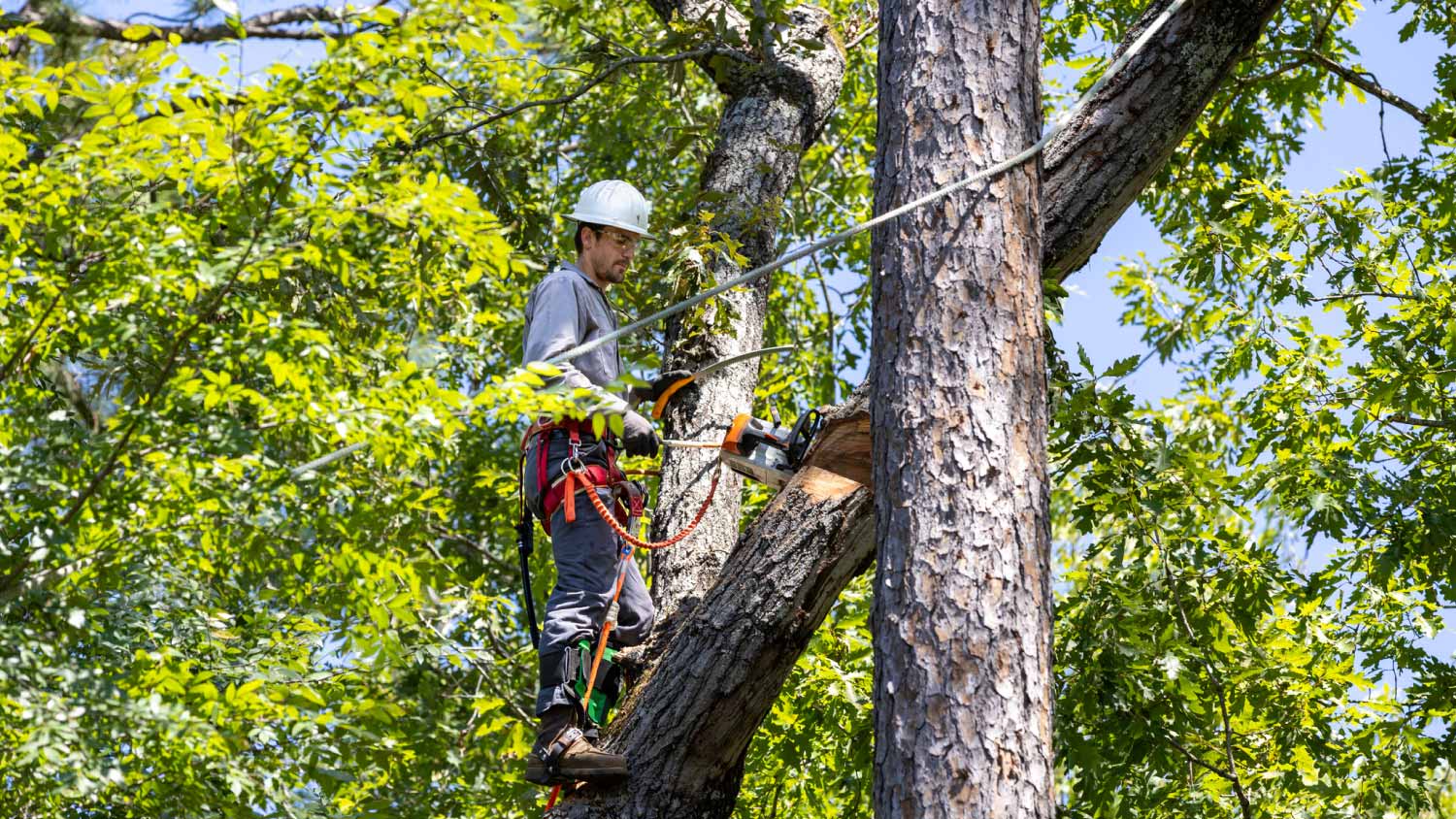
Hiring an arborist or tree surgeon is usually more expensive than a standard tree company, but it is often worth the investment. Arborists have education and certifications that standard companies typically lack, leading to a more professional, expert-level service. Their expertise is particularly valuable for diseased or infested trees, as they can ensure safer removal and help prevent the issue from spreading. Additionally, arborists may be necessary for work near power lines, as uncertified companies are often not permitted to service these trees. If your goal is to preserve the health of your trees, an arborist is the best choice. Their services, such as stump grinding, are also performed with greater expertise to ensure a safe depth that won't cause your lawn to collapse over time.
The Callaway, NE homeowners’ guide to arboricultural services
From average costs to expert advice, get all the answers you need to get your job done.
How much does an arborist cost? This guide explains the cost of different services, ongoing expenses, and other factors to consider when hiring an arborist.
Tree inspections can ensure your trees stay healthy and safe, preventing costly damage. Learn how much tree inspections cost and what can affect the price.
Arborists are specialized tree care experts. This guide will help you hire an arborist with all the qualifications to give your trees the best care possible.