"High quality products, excellent service. I have their water treatment systems at my house, office and cabin. I highly recommend them if you are looking for quality products that will last a long time."
"I love my Culligan Twin Water Softener and AC-30 Reverse Osmosis. We have the best water available, soft water for laundry and bathing and great tasting Reverse Osmosis for drinking and cooking. The people at Culligan are wonderful. I would recommend this company to everyone. Quality products, fair price, and friendly service. I give Culligan an A+"
FM Water Systems is your locally owned and operated authorized Kinetico Dealer with over 30 years of experience. We take great pride in our prompt response, expertise and superior customer service every time so call today!
\n
\nCommercial and Residential clients always welcome!
No, hard water isn’t dangerous. The added calcium in hard water can contribute to good bone health. However, it can also cause dry skin and hair. If you have dry skin or hair, consider using a water-softening system to help minimize the minerals in your water. Plus, these systems can also add some sodium to your diet.
Installing a water softener could help reduce calcium buildup in your pool if your pool has high calcium hardness as a result of hard drinking water in your home. Pool softeners work by exchanging calcium and magnesium for sodium, so if you use softened water to top off your pool, it may help keep calcium hardness from rising over time. However, it won’t lower the calcium hardness of the water already in your pool and isn’t a practical way to control pool calcium levels. The average water softener installation cost is between $200 and $6,000.
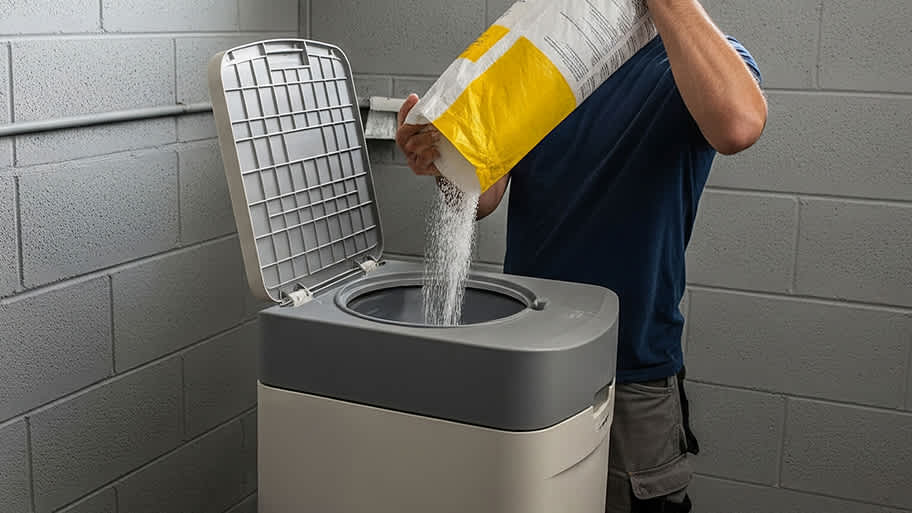
You can install a water softener system by turning off the water supply, draining the water, and then connecting your device to the waterline. Next, you’ll fill your tank with the recommended amount of salt or brine (whichever your unit calls for; be sure to read the instructions). Turn the water supply on and check for leaks. You can opt to let your water run for a few minutes, then test it using strips.
Soft water is better for your hair. The minerals in hard water can dry out hair, make it brittle, and leave a film on the hair and scalp that may cause irritation. Hard water also doesn't rinse out shampoo and conditioner effectively, which can lead to product buildup that makes hair look dull and limp. You may also find you need to use more shampoo to get a good lather in hard water.
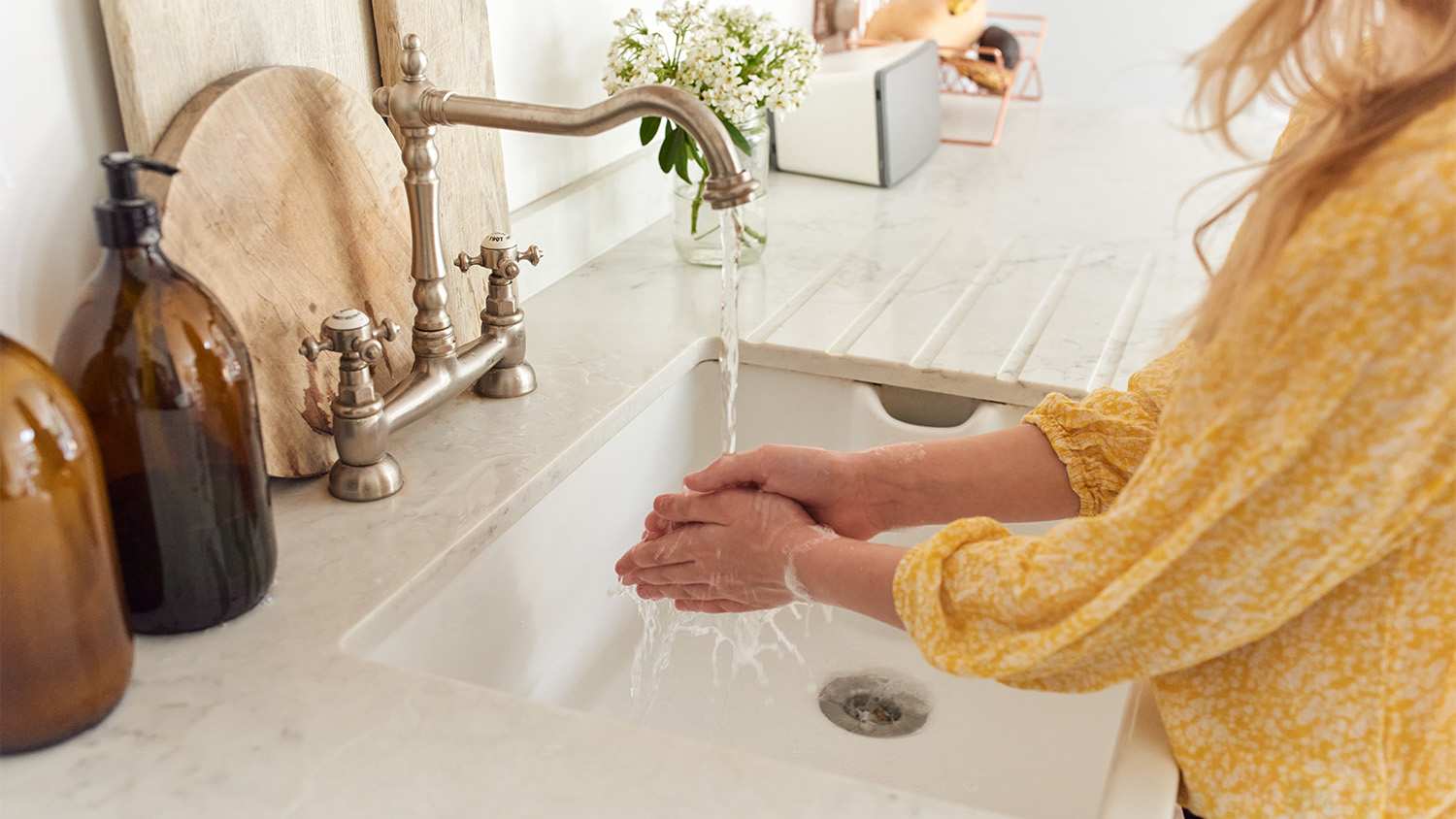
Hard water doesn’t hurt, but it might feel more abrasive, especially if you have sensitive skin. It’s also about how your skin feels after bathing. You might feel as though you have a sticky film over your body because you do—it’s all that soapy residue left behind because the hard water can’t rinse it off completely.
The Wishek, ND homeowners’ guide to water softener services
From average costs to expert advice, get all the answers you need to get your job done.
Water softeners work to remove unwanted minerals from hard water through a filtration and recharge cycle. Keep reading to learn how a water softener works.
There are four common softener alternatives available on the market today. We compare and contrast each one to help you find your best-fit solution in this blog.
Water softeners rid your home of hard minerals and, well, soften your water. Even better, the regeneration process is an automatic cycle that works when you’re least likely to use it.