"I love my Culligan Twin Water Softener and AC-30 Reverse Osmosis. We have the best water available, soft water for laundry and bathing and great tasting Reverse Osmosis for drinking and cooking. The people at Culligan are wonderful. I would recommend this company to everyone. Quality products, fair price, and friendly service. I give Culligan an A+"
FM Water Systems is your locally owned and operated authorized Kinetico Dealer with over 30 years of experience. We take great pride in our prompt response, expertise and superior customer service every time so call today!\n\nCommercial and Residential clients always welcome!
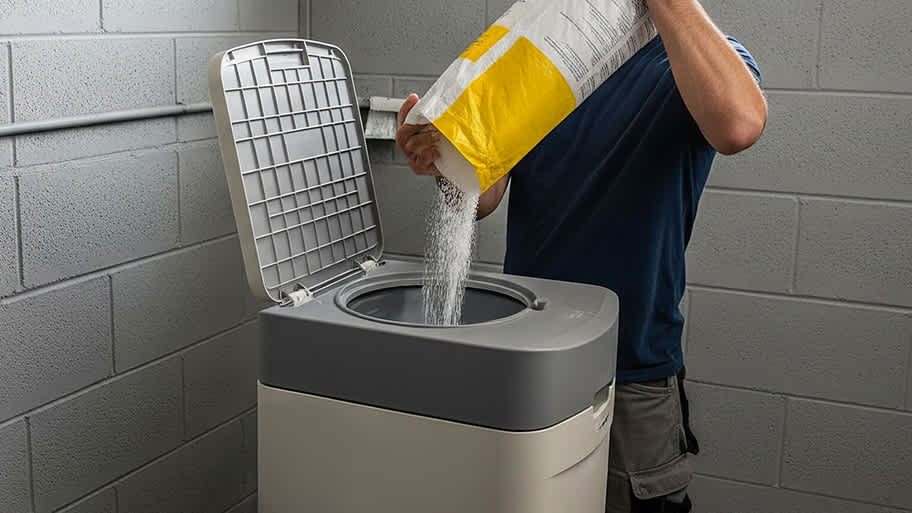
Routine maintenance involves recharging the resin bed with salt or potassium, cleaning components, and periodic inspection.
Water softeners have many benefits. The most important one is converting previously hard water—water with too many minerals—to more usable, easier water. When we say easier water, we mean water that’s easier to digest, less harsh on skin and clothes, and builds up less in the water system. Softer water may lead to lower energy costs and will extend the lifespan of all appliances that use water.
A lower-end water softener would cost around $900, not including installation. Each home has different requirements, water hardness, and number of inhabitants, so there’s a huge range in pricing—$600 to over $6,000. The average water softener repair bill is around $500, meaning it’s a much better option to repair any issues and only replace your softener if absolutely necessary.
The average cost to install a water softener, including the system and labor, is approximately $1,500. However, the total price can range widely from $600 to $6,000. For some complete systems, the cost may be between $800 and $2,500. Labor for the installation typically costs between $150 and $1,000.
The final price is influenced by several factors, including:
System type, capacity, and complexity
Home size and household water demands
Water hardness levels
Accessibility of the installation site and the extent of plumbing work required
Whether new electrical work is needed
The professional hired and any local permit costs
Yes, you can have both a water softener and a water filter. In fact, some manufacturers sell dual water softening and filtration systems that treat hard water and provide clean drinking water. If you’re unsure about what you need or want to discuss your options, reach out to a local water softener installation company.
The Ashley, ND homeowners’ guide to water softener services
From average costs to expert advice, get all the answers you need to get your job done.
Water softeners work to remove unwanted minerals from hard water through a filtration and recharge cycle. Keep reading to learn how a water softener works.
There are four common softener alternatives available on the market today. We compare and contrast each one to help you find your best-fit solution in this blog.
Water softeners rid your home of hard minerals and, well, soften your water. Even better, the regeneration process is an automatic cycle that works when you’re least likely to use it.