"I only use James when I need some work done to my house. He responds fast, gets the work done quicker than just about anyone else I've ever used and seems very concerned with leaving his customers happy."
Yes, many types of peel-and-stick wallpaper can be used in bathrooms, especially those made of vinyl or polyester. However, its success depends heavily on the level of moisture and ventilation. In bathrooms with good ventilation, such as those with fans, it can be a durable option. Peel-and-stick wallpaper may not adhere as well as traditional wallpaper in very humid conditions. For bathrooms that see a lot of moisture, like a kids' bathroom or a full bath with a steamy shower and poor ventilation, even high-quality peel-and-stick wallpaper is likely to peel over time.
While many types of peel-and-stick wallpaper can be used in bathrooms, they may not adhere as well in humid environments as traditional wallpaper. For best results, choose a vinyl or polyester-based wallpaper, as these materials are more durable and water-resistant. Good ventilation is also crucial to reduce humidity from steamy showers. In bathrooms with high moisture and inadequate ventilation, even high-quality peel-and-stick wallpaper is likely to peel over time.
Using a fabric softener solution is a popular and low-cost DIY method for removing wallpaper, but its effectiveness is limited. While it may work on some types of wallpaper, it is unlikely to be successful on vintage styles, and there is no evidence that it is more effective than other removal methods. There are also several potential downsides: the solution can leave behind a residue that may damage your walls or interfere with the adhesion of new wallpaper. Additionally, this method can create a strong, overpowering aroma that takes a long time to dissipate, making it a poor choice for homeowners sensitive to smells.
Many peel-and-stick wallpapers aren’t moisture-resistant, so if you install them in high-humidity rooms, mold can grow behind the wallpaper. It’s best to reserve peel-and-stick wallpaper for bedrooms, living rooms, and other rooms with lower humidity levels. Not only does this minimize the risk of mold growth, but it also keeps the wallpaper from bubbling or peeling.
One of the biggest downsides to peel-and-stick wallpaper is that it doesn't last as long as traditional wallpaper. Its lifespan depends on several factors, including the quality of the paper, proper wall preparation and application, and the room's conditions. As a general rule, peel-and-stick wallpaper can last for at least five years, but this can vary significantly. Budget products may only last about 3 years, while higher-quality products can stay up for 7 years or more in ideal conditions. Factors that can shorten its lifespan include high humidity (such as in a bathroom), dirty walls, and low-quality paper. If used on flooring, expect it to last only 1 to 3 years unless sealed. However, the shorter lifespan can be seen as a positive, making it a great choice for people who enjoy switching up their interiors more frequently.
The Towner, ND homeowners’ guide to wallpaper removal services
From average costs to expert advice, get all the answers you need to get your job done.
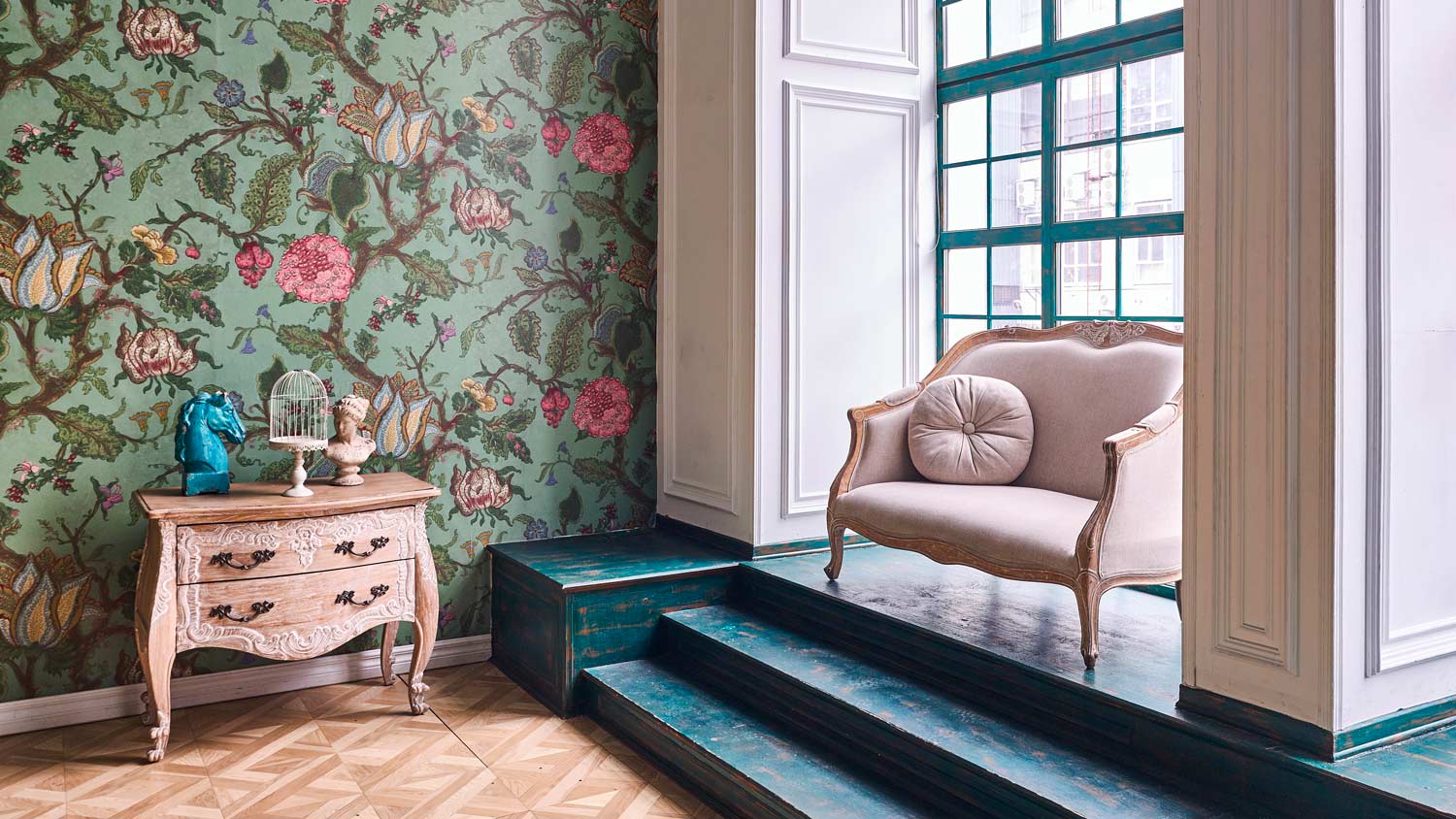
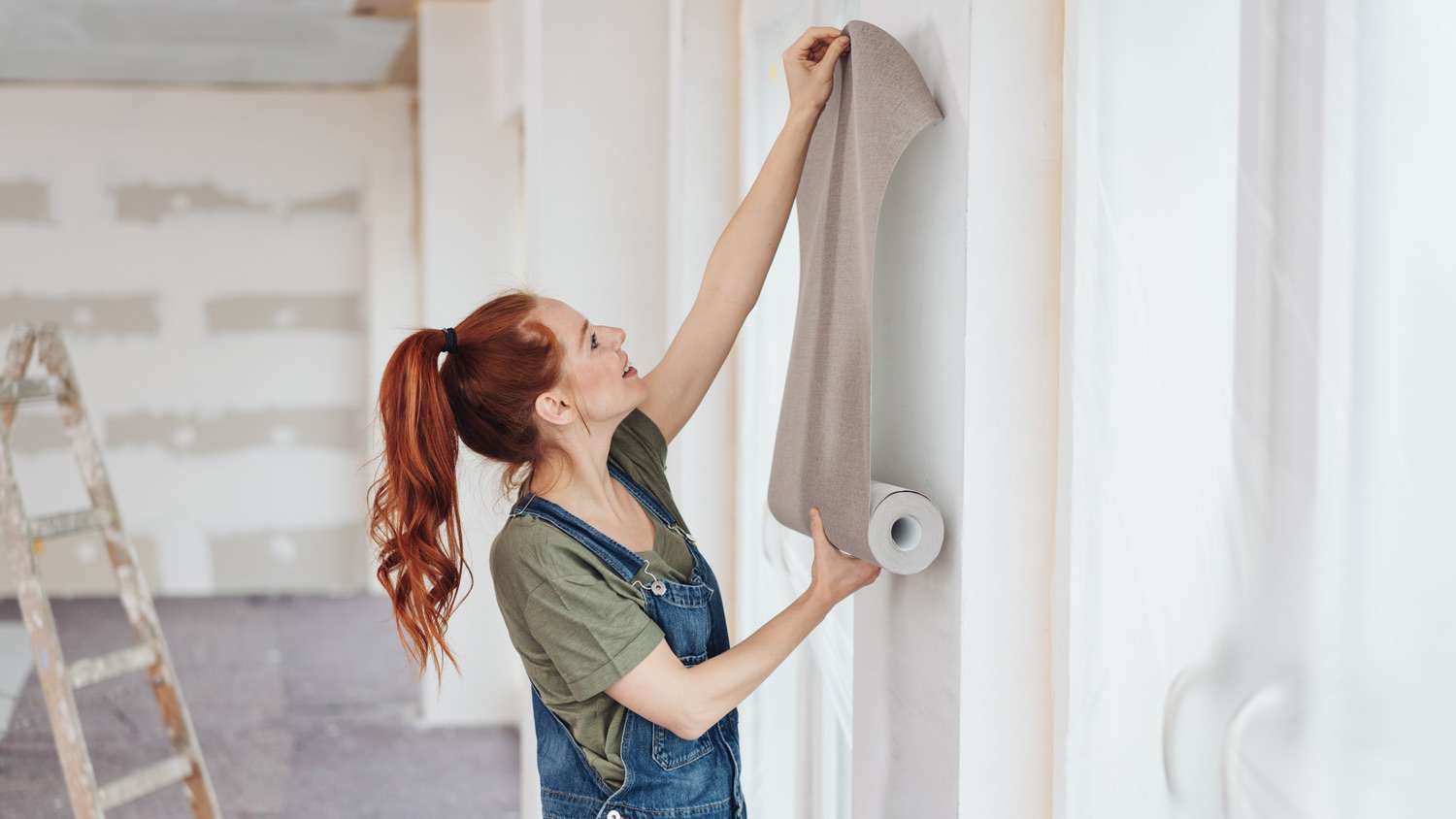
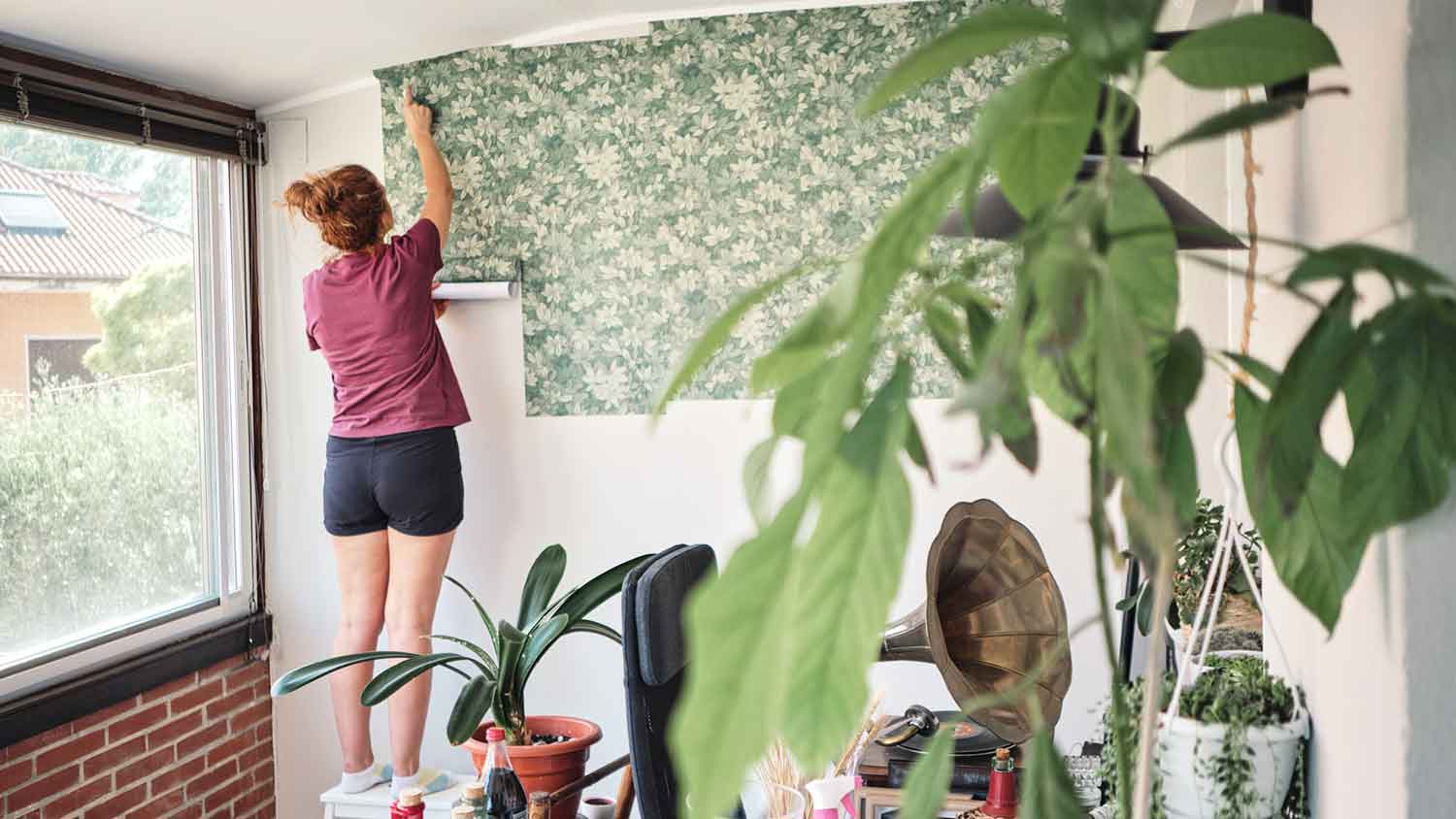
Discover wallpaper installation cost. Learn about material, labor, and project factors to estimate your budget and make informed choices for your home.
Planning a room update? Learn about the wallpaper removal process, costs to expect, and how to find and hire the right local pro for a paint-ready finish.
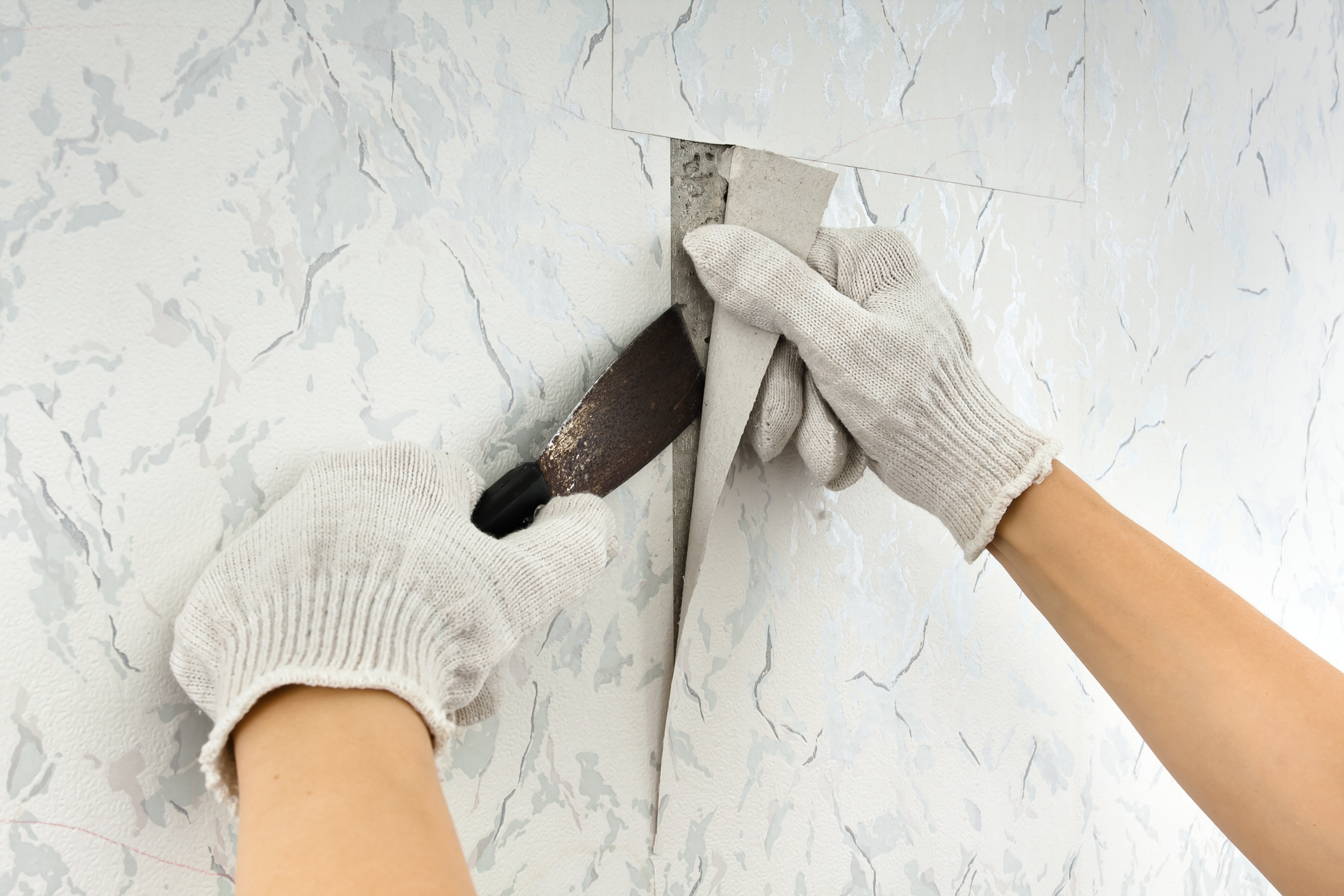
Taking down wallpaper is a tedious and time-consuming job. Here are some tips on how to hire someone to remove wallpaper for you to make your life easier.