We take great pride in our experience, expertise, quality, and customer service that we provide to meet the consumer's needs. It is our mission to provide excellent workmanship and complete customer satisfaction from start to completion of a project. In order to understand the needs and expectations of our customers, we take great care to work and communicate with every customer in a professional manner. Our reputation is based on service, safety, and quality, regardless of how large or small the job is.
We are a locally owned and operated company that values honesty and integrity, and treats your project as if it were our own. We offer a variety of services that are customization to each individual project. You will find us to be competitively priced, paying close attention to the details of each and every project that we are involved with. We look forward to building lasting relationships, and guarantee your satisfaction!
No one likes running out of materials during a project, so calculating the right amount of gravel needed for your driveway is an absolute must. Multiply your driveway’s length by width by the depth of the gravel (in feet). For gravel depth, convert to a decimal (i.e., 4 inches is 0.33 feet). This will give you the cubic feet of material that you need.
If you’re looking for cubic yards, divide that above number by 27.
A good gravel driveway should be built in layers using different sizes of gravel. A solid base layer of larger crushed stone (around 1 to 6 inches in diameter) provides stability and helps with drainage. Some recommend a middle layer of medium-sized gravel (2 to 3 inches). For the top driving surface, smaller gravel is best. A common recommendation is to use gravel between 1/4 inch and 1 inch in diameter, as it compacts well to create an even surface that's easy to drive on. Avoid stones that are too large, flat, or round to ensure the best traction. Using different layers ensures the driveway is durable, drains properly, and doesn't shift over time.
Sand is a common sublayer for hardscape features like driveways, paver patios, and more. Most projects that involve sand require a 1-inch layer to promote evenness, drainage, and weight distribution. For further drainage, most projects have a 6-inch minimum layer of gravel beneath the sand.
As a base, you should use a fertilizer with a 5-5-5 NPK ratio (5% nitrogen, 5% phosphorus, and 5% potassium). You may need a different ratio depending on what your soil is lacking, but a soil test can help determine the perfect amount.
Buying topsoil in bulk or a bag depends on how much area you’re trying to cover. Even if it goes on sale, bagged topsoil isn’t as cheap as buying it in bulk, but transporting bulk topsoil can become cumbersome if you don’t have the proper truck. If you can find an easy delivery option and have the space to store a large amount of topsoil, buying in bulk will give you more bang for your buck.
The Walhalla, ND homeowners’ guide to sand and rock delivery services
From average costs to expert advice, get all the answers you need to get your job done.
Discover the average sand delivery cost, key price factors, and tips to save on your next project. Get transparent, up-to-date estimates for sand delivery.
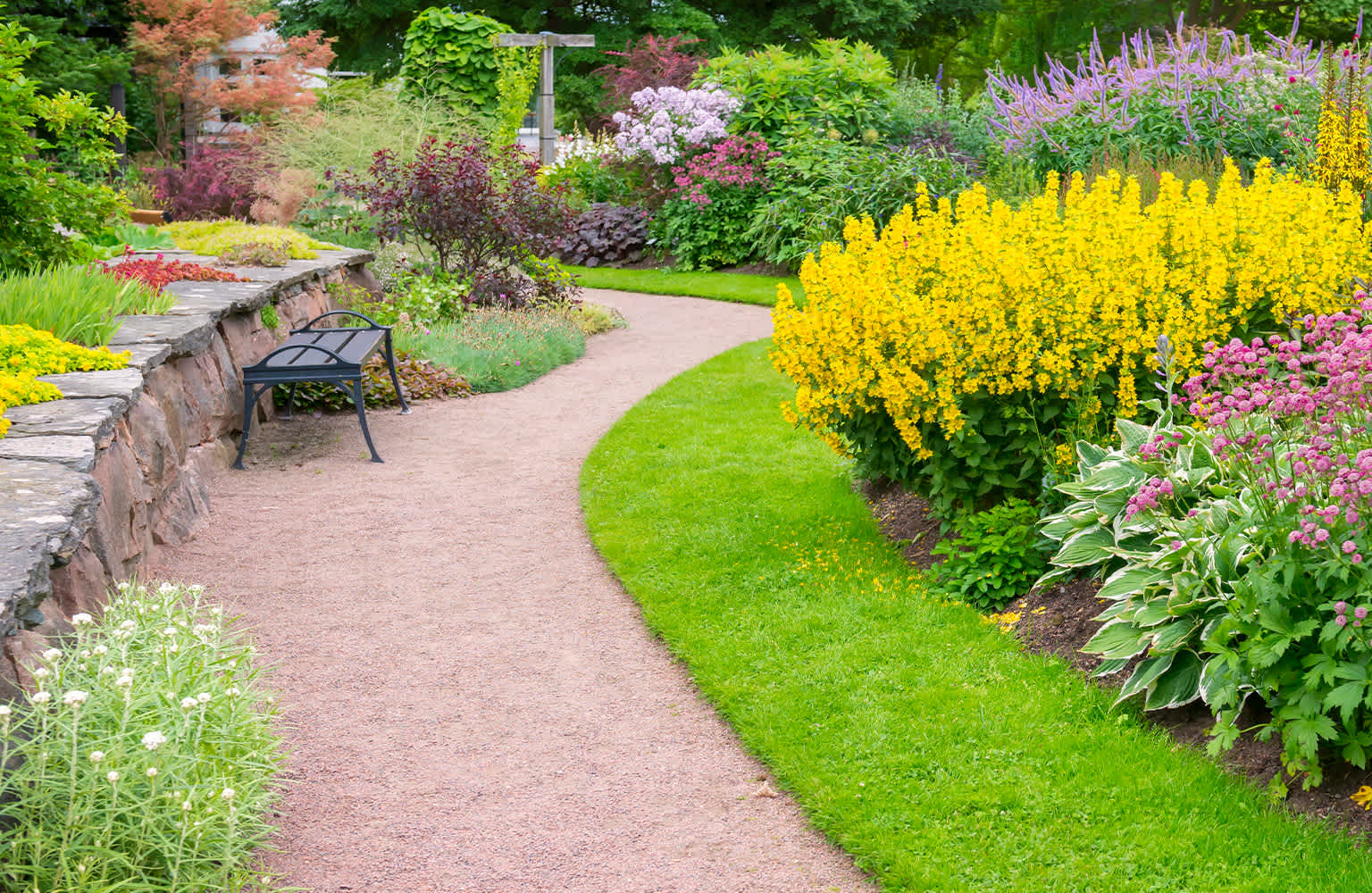
From your flower beds to your walkway, river rocks make a classic addition to your landscape. Learn about the cost to install river rock to set a proper budget.
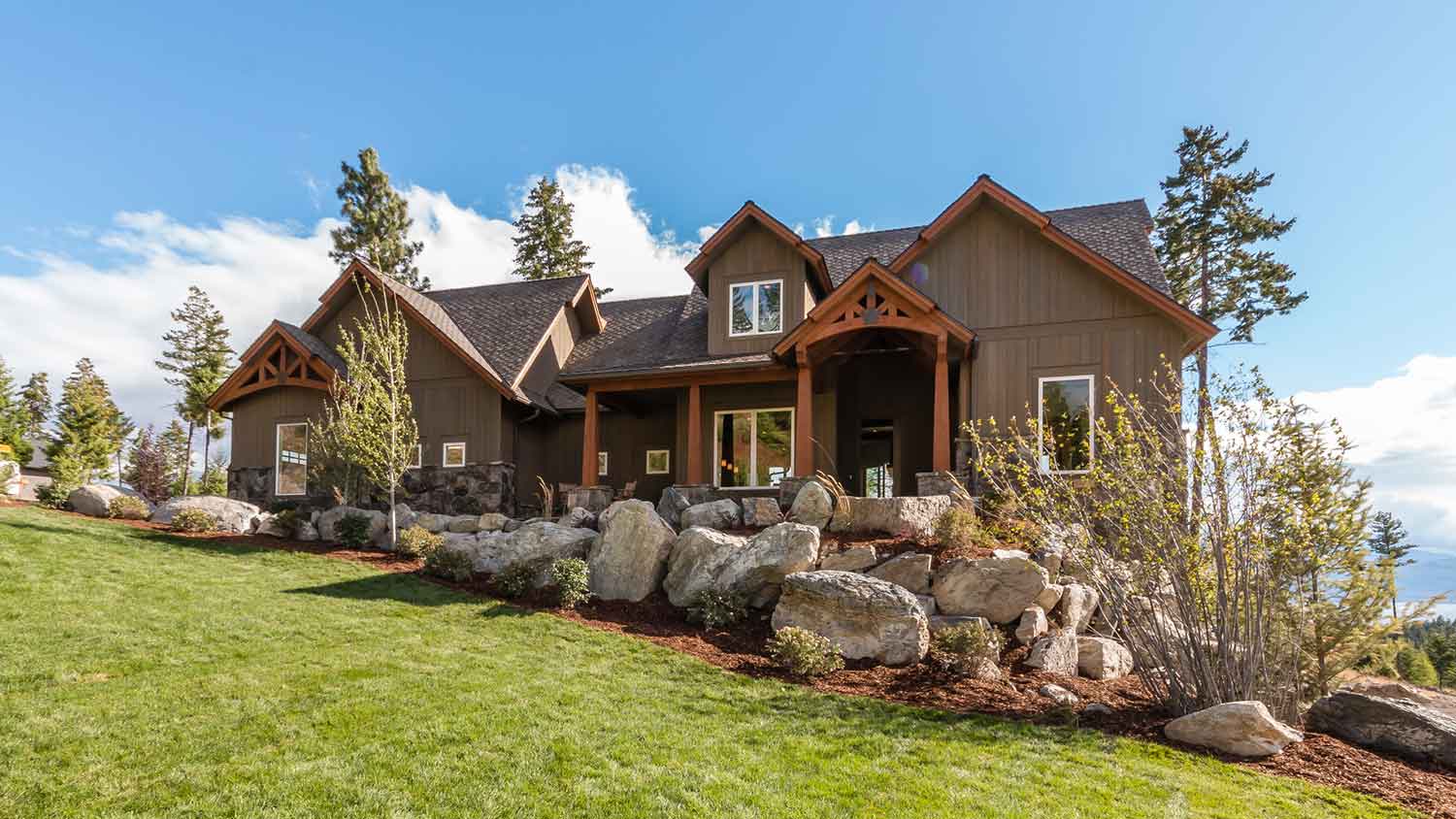
Whether you create a Zen rock garden, group boulders on your lawn, or line paths with pebbles, rockeries are beautiful and low maintenance. Read on to learn more.
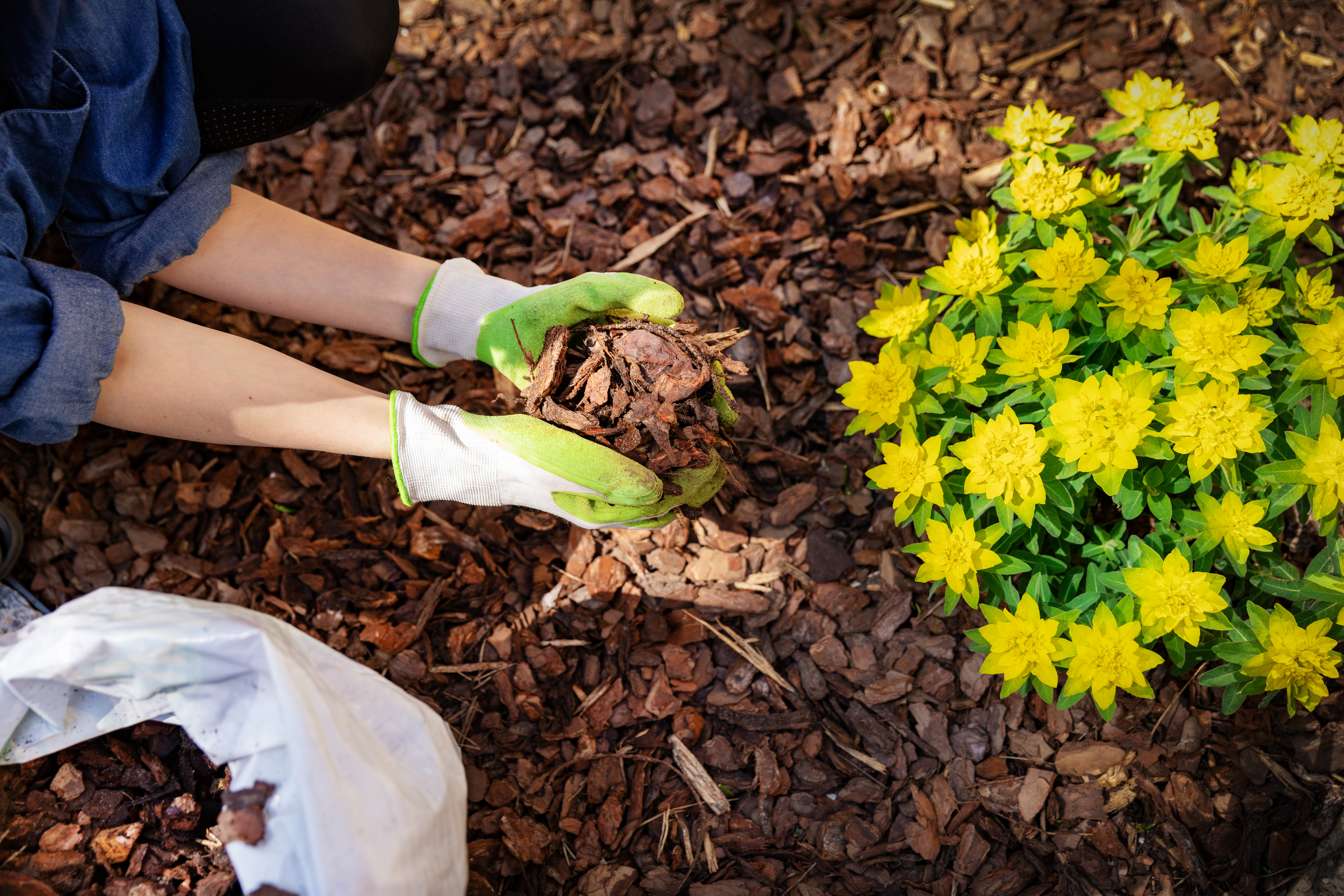
Explore a guide to mulch versus rock landscaping. Uncover the pros, cons, costs, and more to shape a garden mirroring your style and landscaping needs.