"Great system radon was reduced to trace levels within hours of turning the system on. My only recommendation is to consider the location and potential noise level.. The fan is the equivalent of a dryer vent sound so having it near a location you frequently sit outside can be an issue.. but overall excellent job"
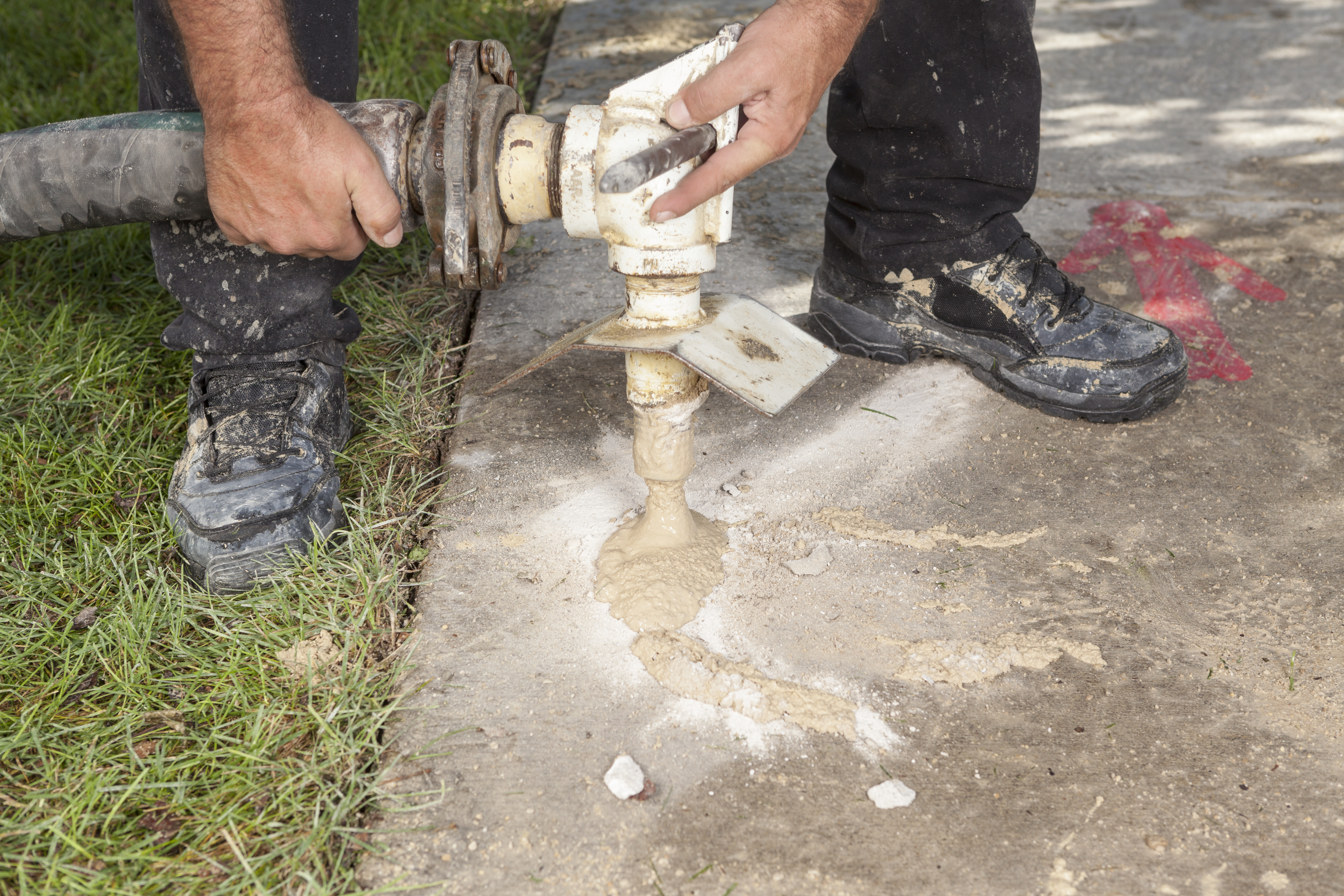
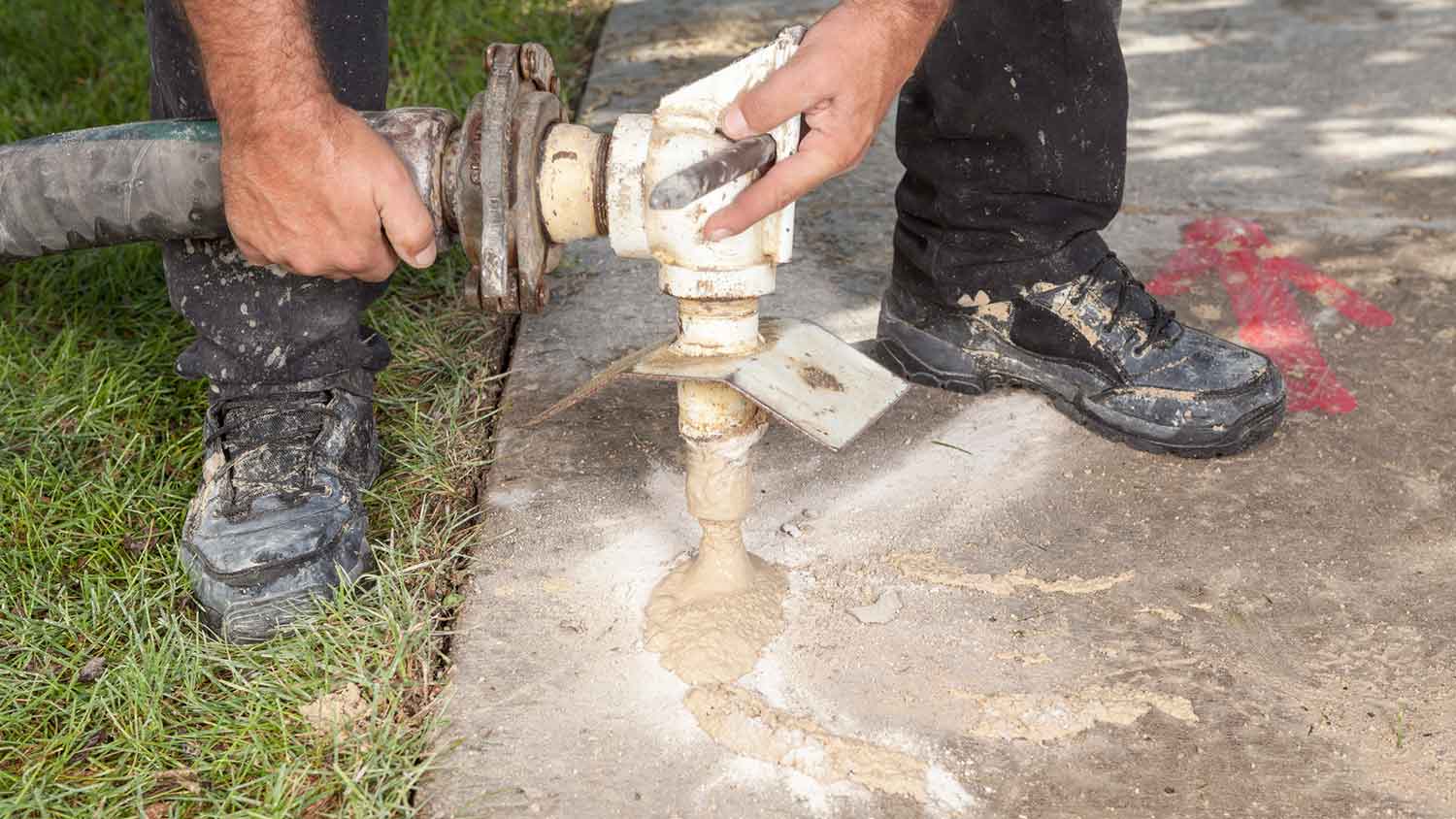
Mudjacking is your best bet for leveling concrete on a tighter budget. It’s less expensive than foam or grout mixture. For smaller, surface-level issues, you could also use a self-leveling compound, which creates an even surface over existing concrete—it’s a budget-friendly option suitable for DIY enthusiasts.
The polyurethane used for polyjacking will expand and cure in 15 to 30 minutes. After that point, your slab will be safe to walk on and even drive on in the case of a sidewalk or concrete driveway. Double-check with your concrete lifting specialist to confirm a curing timeline, as products can differ.
Yes, you can mudjack cracked concrete, but the cracks will need to be repaired once the concrete has been leveled. If the concrete is severely cracked in multiple places, replacement may be a better option, but for less severe cracking, mudjacking is a good solution as long as cracks are correctly caulked and sealed.
Most projects take 1-3 hours, with immediate usability after completion.
Concrete leveling is not typically covered by insurance. In some cases where the shifting concrete is caused by a natural disaster or storm, you may be able to file an insurance claim if your policy specifically covers those circumstances. In most cases, though, you’ll pay out-of-pocket for concrete leveling.
The Towner, ND homeowners’ guide to concrete leveling services
From average costs to expert advice, get all the answers you need to get your job done.
Learn about concrete leveling and how it can fix uneven surfaces, from sunken sidewalks to uneven driveways, and boost your home’s safety and curb appeal.