"Jacob D and Lenard S provided great service. Professional and friendly. Made sure I knew what was going on and answered questions. Treated my home and my family with respect and didn't damage anything, which not all contractors seem concerned about. I have some additional basement work that will need to be complete and I will definitely be using Innovative again."
Concrete Mudjacking questions, answered by experts
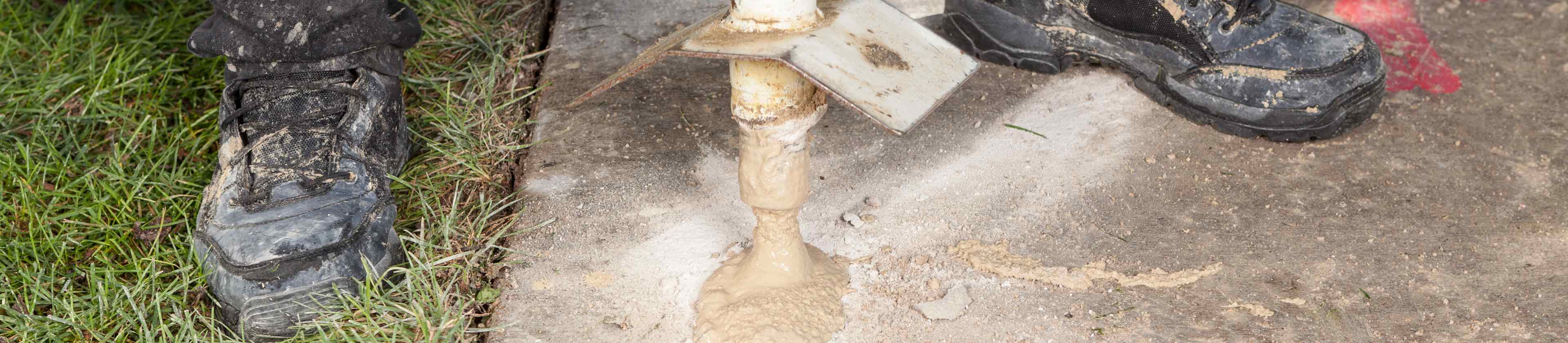
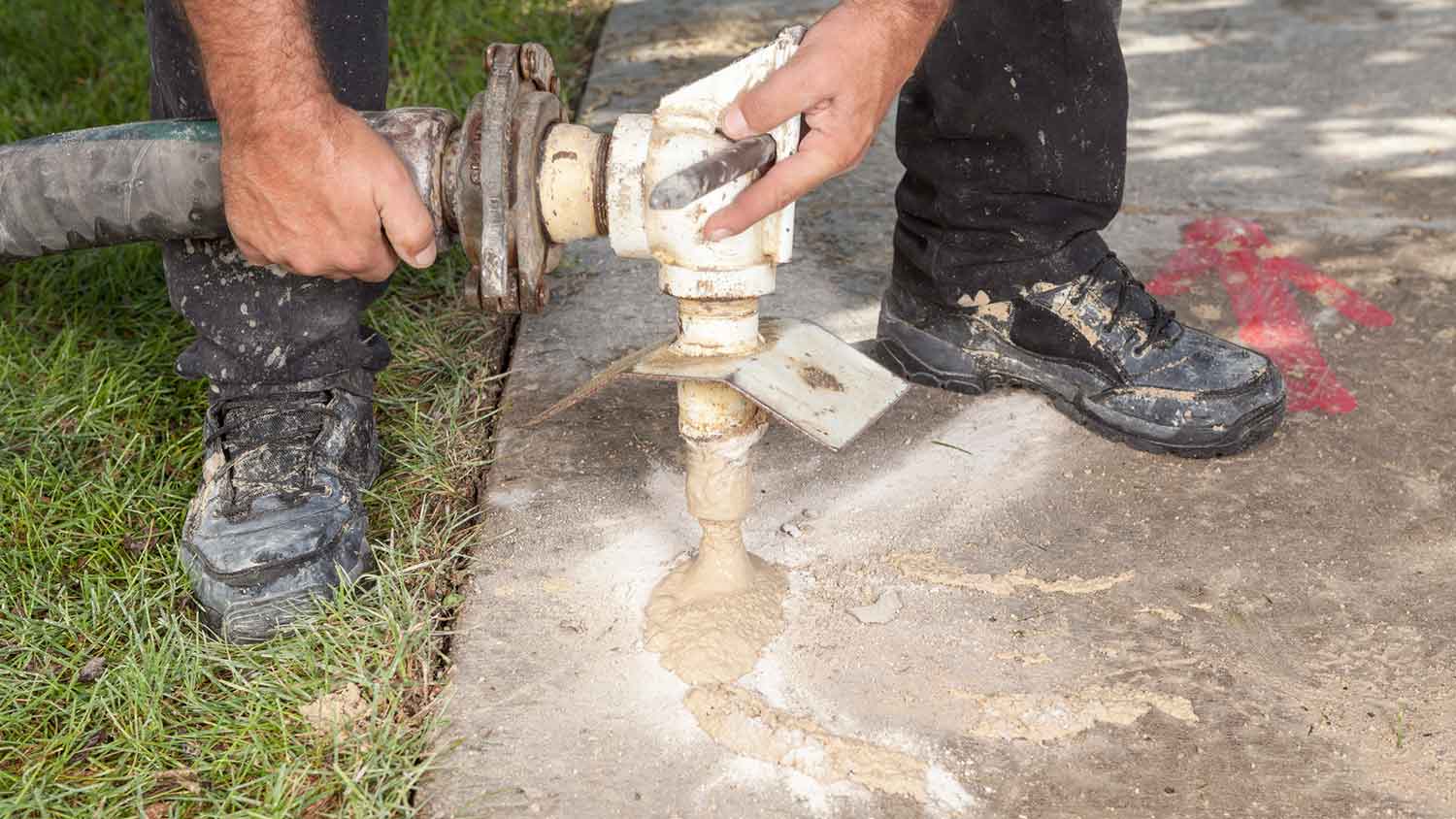
A slurry of cement, sand, and water is injected beneath the concrete to lift and stabilize it.
The polyurethane used for polyjacking will expand and cure in 15 to 30 minutes. After that point, your slab will be safe to walk on and even drive on in the case of a sidewalk or concrete driveway. Double-check with your concrete lifting specialist to confirm a curing timeline, as products can differ.
Trenching and boring are two distinct methods for installing underground utilities. Trenching involves digging a channel using equipment like an excavator, trencher, backhoe, or shovel. While it is a simpler process, it causes significant disruption to the surface, landscaping, and surrounding ecosystems.
Boring, also known as directional boring, is a less invasive alternative that uses a drill to create a tunnel for utility lines without disturbing the surface. This method is more precise and is ideal for installations that need to go underneath buildings, roads, or bodies of water. Although boring is less disruptive, it is generally more expensive than trenching.
Address drainage issues, avoid heavy loads, and seal cracks to prevent future settling.
Concrete leveling can last anywhere from five to 10 years or more, and in some cases, it can be a permanent solution. The longevity depends on the method used and whether the underlying cause of the sinking is addressed. For example, mudjacking typically lasts five to 10 years, while polyjacking can last for 20 years or more. It's best to consult a professional for an accurate timeline based on your specific situation and any factors that could cause the issue to recur.
The Towner, ND homeowners’ guide to concrete mudjacking services
From average costs to expert advice, get all the answers you need to get your job done.
DIY mudjacking is an advanced task, but learning how to raise a concrete slab is great to know for many scenarios. Let's take a look at how to DIY mudjack.