


"Jim did a great job. He quickly assessed the problem and then took our unit with him to work on it more. When he got back to us, the fix would have cost more than it was worth. He gave us options for a new or refurbished PC. We felt the refurbished was a good deal and chose that. He came back and set that up and we are very happy with it. He then took a look at my laptop and again took it along. He tuned it up and installed a speed upgrade we wanted. Of course, we paid extra for the new unit and upgrades, but we thought the price was very fair. Jim seemed very knowledgeable and responsive. We will definitely call him again if we need any computer services."
"AHS is ok. They cover repairs of most everything under the roof of your house. The companies that contract with them are not always the best. You call AHS with the issue, they send a fax to the repair company and give you the contact info. If they don't contact you within 24 hours, you call them. Sometimes they answer, sometimes they don't. When they arrive (usually three days or so later), they service the item. if it has issues within the 90 days, you call AHS again, they are sent out with no charge. If the serviceman decides the unit is unrepairable, AHS will allow you to choose a replacement from their listing (usually not as good as what you have) they will install and remove your old item, or give you wholesale amount to buy and install your own. Prices vary on what you want covered and what you want the copay to be, plus where you live. For me it is 49.99 per month with a 75.00 time of service order. You can have more than one item serviced at the same time under the same fee. If you have a SEAR product the repair guys are great. Not that wild about the other ones they send out. But it is a big savings compared to calling someone on your own. The cost of service is only the 75.00 copay."
Hydronic and standard electric baseboard heaters differ in how they operate, their cost, and their performance. Standard convection heaters use electric coils to heat the air directly, while hydronic heaters warm a contained liquid like water or oil, which then radiates heat into the room.
In terms of cost and efficiency, hydronic heaters usually have a higher upfront price but are more energy-efficient and cheaper to run over time. This is because the heated liquid retains warmth, allowing the heater to continue providing heat for a while after the thermostat turns it off. In contrast, electric heaters provide heat more quickly but are less efficient.
Ultimately, the better choice depends on your priorities. If you need a room to heat up fast and have a lower initial budget, an electric heater might be suitable. If long-term energy savings are more important and you don't mind a slower heat-up time, a hydronic heater is likely the better option.
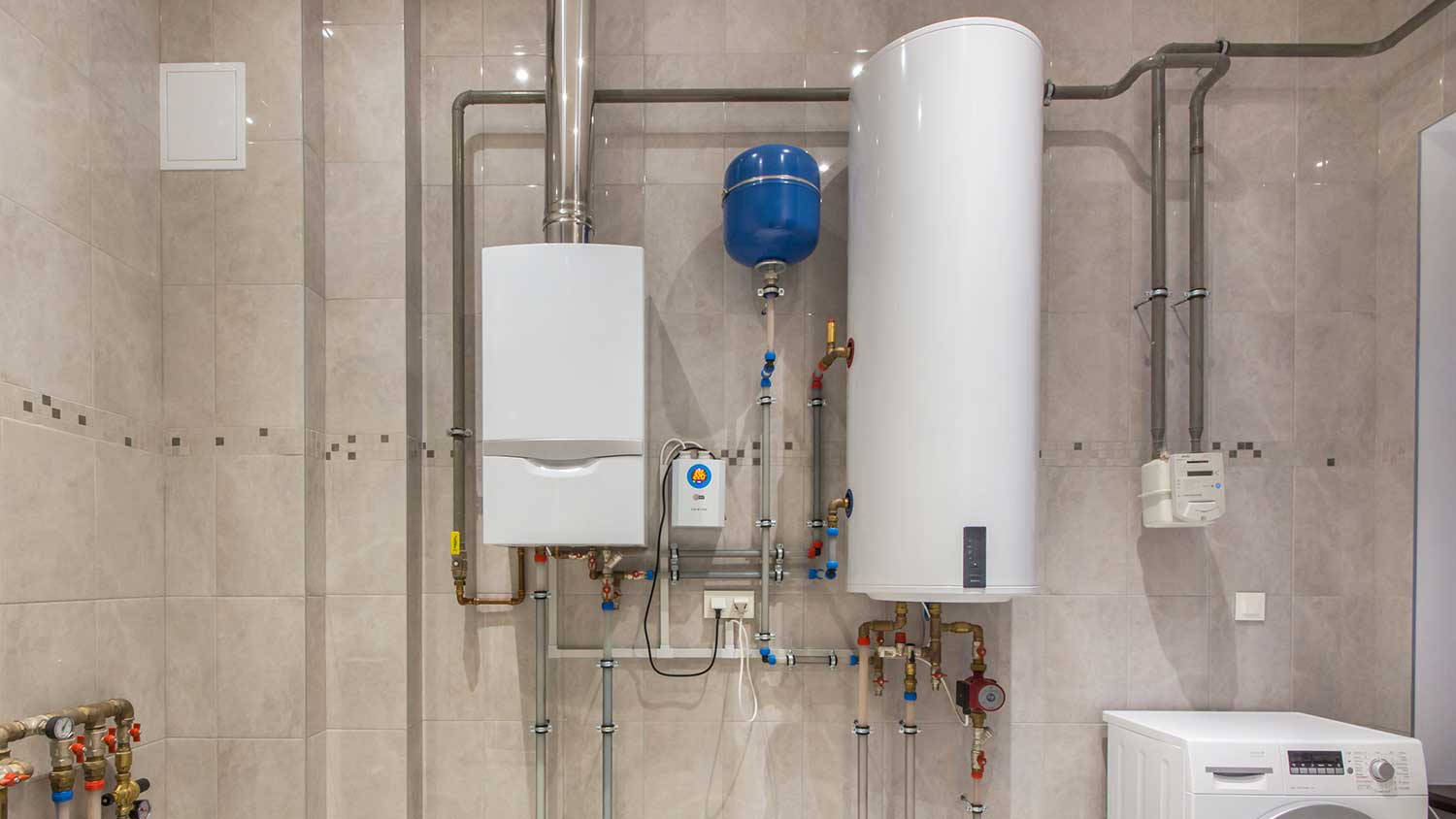
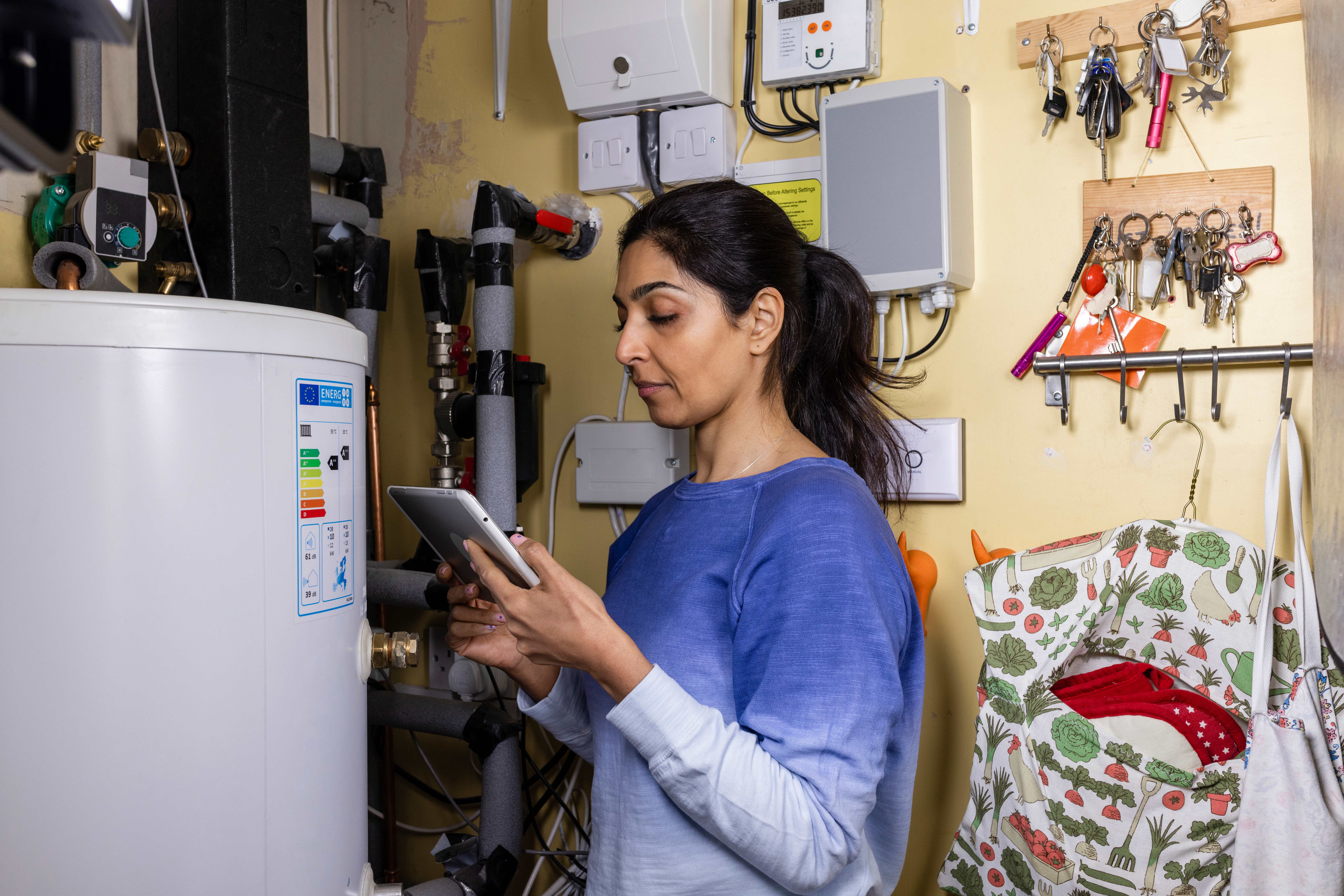
Most home boilers will need an expansion tank. That’s because these boilers are closed-loop systems, where the water is trapped. An expansion tank is needed when the boiler heats the water and it expands, allowing air to condense in the tank to make room for the water. Other types of boilers don’t use an expansion tank, such as traditional steam boilers, but these aren’t as common. And hot water tanks may be able to use a pressure release valve instead. When in doubt, call in a pro to take a look.
Many utility companies and government programs offer rebates or incentives for the installation of high-efficiency propane boilers. These can offset upfront costs and improve your return on investment. Check with your local utility or installer for current offers. Incentives vary by state and provider, so exploring regional programs can help maximize your savings.
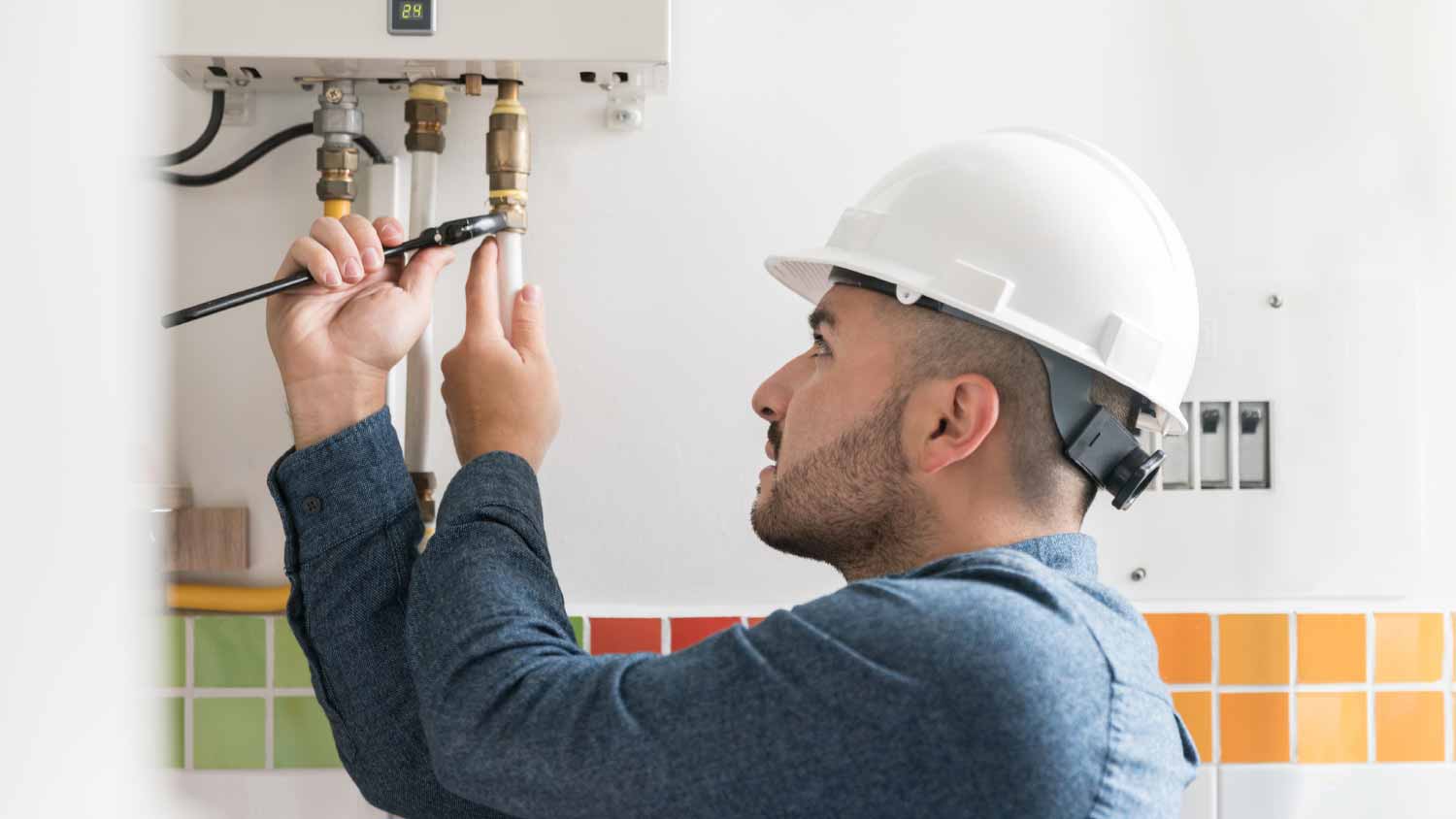
A furnace takes in cool air, heats it through the burner and heat exchanger, and sends the air on its way to warm your home. A boiler is a pressurized vessel that produces hot water or steam to heat the home and provide hot water. A boiler may or may not work together with a furnace.
If you have a closed-system boiler that requires an expansion tank, you cannot safely operate it without one, as this risks extensive damage or even explosions. You must find a way to make room for the installation. Options include repositioning the boiler, rerouting the boiler piping to a more open area, or performing minor remodeling to create the necessary space. If you are unsure whether your boiler needs an expansion tank or how to best accommodate one, it's recommended to have a local heating service professional assess the situation. They can confirm the requirement and suggest the most practical solution.
The Steele, ND homeowners’ guide to boiler installation services
From average costs to expert advice, get all the answers you need to get your job done.
Discover the average electric boiler installation cost, key price factors, and ways to save. Get transparent, expert-backed estimates for your project.