


Top-rated radon detection and reduction specialists.

Get matched with top radon detection and reduction specialists in Rugby, ND

Enter your zip and get matched with up to 5 pros

Need a pro for your radon detection and reduction project in Rugby, ND?

Select your specific project to find the pro for you.

Find Radon detection and reduction specialists in Rugby

Avatar for SGS-Hale Grounding
SGS-Hale Grounding
2.0(
1
)
Radon Gas - AbatementRadon Gas - Testing

Serving Rugby, ND and surrounding areas

In business since 2021

Free estimates

Warranties offered

We are committed to excellence in every aspect of our business. We uphold a standard of integrity bound by fairness, honesty, and personal responsibility. Our distinction is the quality of service we bring to our customers. Accurate knowledge of our trade combined with ability is what makes us true professionals. Above all, we are watchful of our customers' interests, and make their concerns the basis of our business.\n

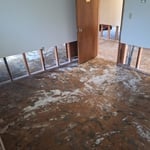
My Work
My Work
My Work
My Work
My Work

+2

Response time5 hrs
Radon Detection and Reduction questions, answered by experts

There are steps you can take as a homeowner to remediate radon yourself. While a radon reduction professional can make the biggest impact in your home, you can make efforts to improve radon levels on your own by sealing cracks, increasing ventilation, and testing for radon regularly.

The average radon mitigation system uses about 876 kWh of electricity per year, although the exact amount of electricity used will vary depending on the size of the radon fan. Once the system is installed, the annual increase to your energy bill could range from $30 to $300 per year, again depending on the size of the fan.

Mitigation can take several days depending on home setup, equipment accessibility, and achieving effective diffusion system sealed efficiency.

Options include sub-slab depressurization, crawlspace ventilation, and sealing cracks. Choose based on home construction and radon levels.

Your radon mitigation system may be loud because it’s time to replace it. Any sounds are usually from the inline fan that helps create the vacuum and resulting airflow. If you hear a new, loud mechanical or humming noise from your radon fan, it might be time to replace it. Most fans used in radon mitigation systems last up to 10 years, but may need to be replaced sooner.

The Rugby, ND homeowners’ guide to radon detection and reduction services

From average costs to expert advice, get all the answers you need to get your job done.