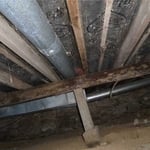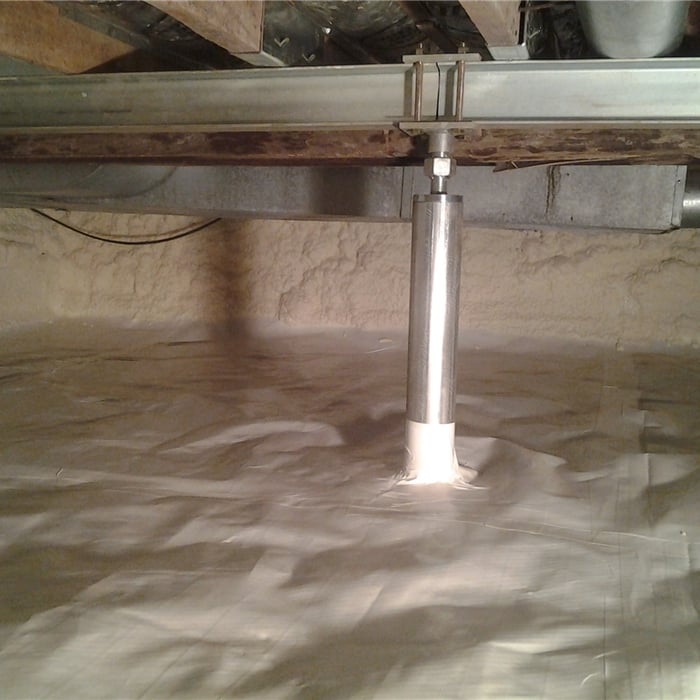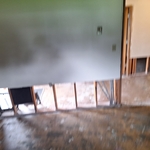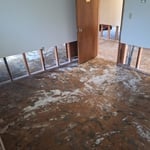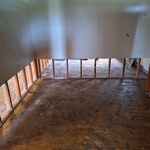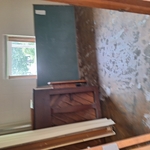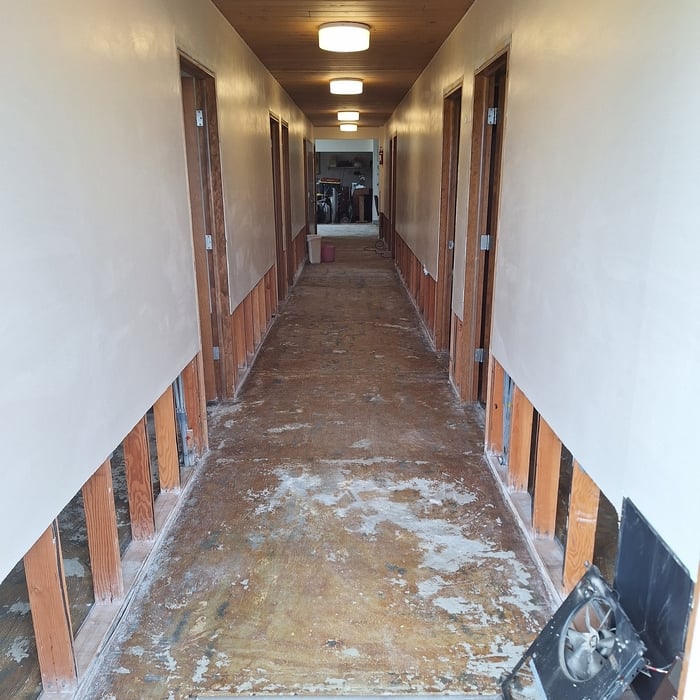
"This job was completed efficiently and professionally. A design specialist came to test and measure every detail for the project. The crew arrived with everything needed for the job. They worked very hard to install Waterguard in the concrete floors inside around the foundation to the sump pump basket. They also installed Geo-lock anchors to support a block wall that was bowed. This company has 36 years in business and provides excellent results and professional customer relations. Call Amer. Wtrwrks for a free estimate. You will not be disappointed. A wise investment of $11,270."
At company , our company is based on the belief that our customers' needs are of the utmost importance. Our team is committed to meeting those needs. We welcome the opportunity to earn your trust and deliver you the best service. No job is too big or too small for our experienced team. Call today for a quote.
We are committed to excellence in every aspect of our business. We uphold a standard of integrity bound by fairness, honesty, and personal responsibility. Our distinction is the quality of service we bring to our customers. Accurate knowledge of our trade combined with ability is what makes us true professionals. Above all, we are watchful of our customers' interests, and make their concerns the basis of our business.\n
Radon Detection and Reduction questions, answered by experts
If high radon levels are detected, steps include sealing entry points, installing a mitigation system, and retesting the air regularly to ensure reduced levels.
No level of radon is technically safe, but since it is naturally present everywhere, it is impossible to avoid entirely. The average radon level in homes across the United States is 1.3 picocuries per liter (pCi/L). The Environmental Protection Agency (EPA) recommends taking action to reduce radon levels if your home's test results are between 2 and 4 pCi/L or higher.
Abatement includes sealing entry points and venting with systems that reduce radon levels below recommended EPA limits. It is handled by certified professionals.
No level of radon is technically safe, but since it is present everywhere, complete avoidance is impossible. The average radon level in homes across the United States is 1.3 picocuries per liter (pCi/L). The Environmental Protection Agency (EPA) recommends taking preventative measures if your home's radon levels are between 2 and 4 pCi/L or higher.
Ideally, no one will live in a house with elevated radon levels, as prolonged exposure increases the risk of serious health issues like lung cancer. However, homes with radon can be made safe through mitigation systems, such as active soil depressurization. Testing for radon regularly and addressing high levels helps ensure a safe living environment.
The New Rockford, ND homeowners’ guide to radon detection and reduction services
From average costs to expert advice, get all the answers you need to get your job done.
Get clear answers on how much radon remediation costs, including average prices, key cost factors, and tips to save money on your home’s radon mitigation.
Find out what impacts radon testing costs, including average prices for DIY kits and professional services, so you can protect your home and budget confidently.
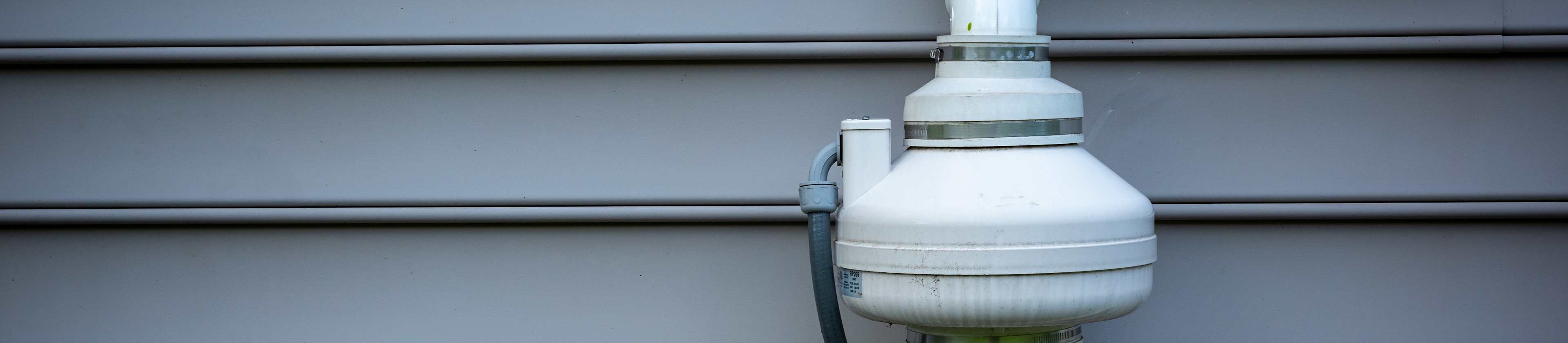
Radon is a gas that you can't see or smell and is harmful to your health. If your home has radon, you need to know who installs radon mitigation systems.