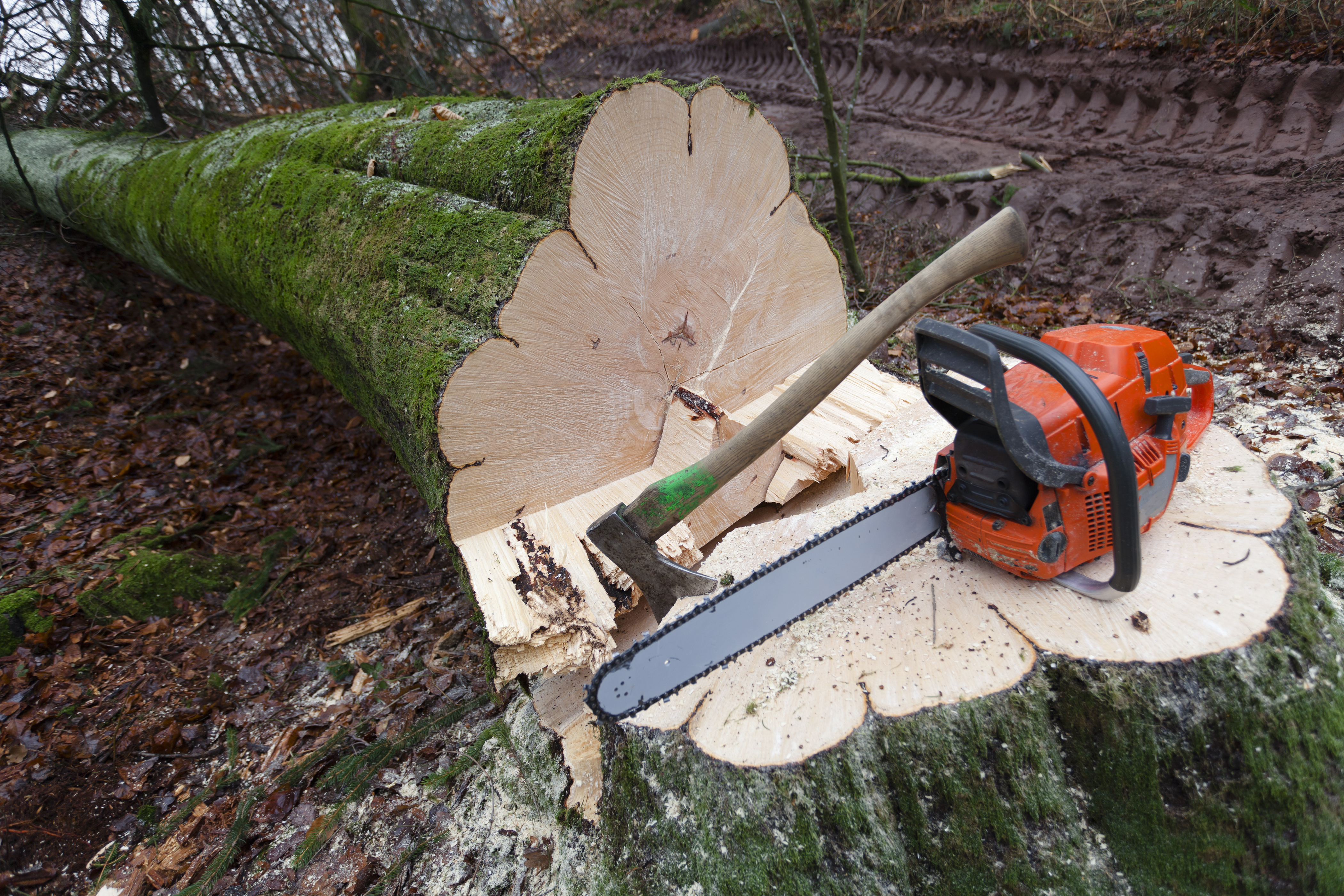
Top-rated brush chipping pros.

Get matched with top brush chipping pros in Milnor, ND

Enter your zip and get matched with up to 5 pros

Need a pro for your brush chipping project in Milnor, ND?

Select your specific project to find the pro for you.

Find Brush chipping pros in Milnor

No results for Brush chipping pro in

Try adjusting your search criteria.
Brush Chipping questions, answered by experts

There are several ways to dispose of excess sod, including building a compost pile, taking it to a green waste disposal facility, donating the sod, or reusing it in another part of your yard. It’s a good idea to check with your local municipality to see how to get rid of yard waste, as some areas have local regulations on what can go in the green waste bin. For example, your recycling services may reject too much soil added to green waste.

While a rented dumpster can handle a wide variety of materials, there are significant restrictions on what is allowed. Generally, you can dispose of most non-hazardous household junk, yard waste, and construction debris.

Accepted items typically include:

  • Furniture, carpets, old linens, and toys

  • Wood and yard debris

  • Small appliances and excess trash

  • Renovation waste like old finishes, building debris, and roofing materials (unless they contain lead paint or asbestos)

However, you cannot put toxic, flammable, or hazardous materials in a dumpster. Prohibited items almost always include:

  • Paint, gasoline, oil, and other fuels

  • Household cleaners and other chemicals

  • Electronics, batteries, and tires

  • Refrigerators, hot water tanks, and medical waste

Since regulations can vary by location and company, it is essential to check with your dumpster rental provider for their specific list of accepted and prohibited items before you begin.

While you can leave roots in the ground, if you don’t want the shrub to regrow again over time, it’s best not to leave any roots behind. Ensure you remove as much of the shrub as possible, including the root ball and any main roots you can see, to prevent new growth. Some gardeners opt for using a chemical treatment to prevent the stump from growing back, but this can kill beneficial microorganisms living in your soil.

In general, you can prune up to one third of the height of most shrubs without damaging them. There are a few exceptions to this rule: Pine shrubs, for example, can’t be trimmed below the point of new growth without damaging them.

No. Unfortunately, leaf removal is your responsibility, no matter what tree the leaves come from. It would be pretty hard to regulate leaves since they can be moved by the wind or water. Imagine the detective skills it would take to determine which tree each leaf came from and who was then liable for removing it. Instead, plan to remove any leaves on your property.

The Milnor, ND homeowners’ guide to brush chipping services

From average costs to expert advice, get all the answers you need to get your job done.