




Top-rated marble restoration pros.

Get matched with top marble restoration pros in Mandaree, ND

Enter your zip and get matched with up to 5 pros

Need a pro for your marble restoration project in Mandaree, ND?

Select your specific project to find the pro for you.

Find Marble restoration pros in Mandaree

Tricon Enterprises
New to Angi
Tile: Natural Stone (Granite, Marble, Slate, Quartz, etc) - Repair

Serving Mandaree, ND and surrounding areas

In business since 2021

Free estimates

Credit card accepted

We take great pride in our experience, expertise, quality, and customer service that we provide to meet the needs of the consumer. It is our mission to provide excellent workmanship and complete customer satisfaction from start to completion of a project. In order to understand the needs and expectations of our customers, we take great care to work and communicate with every customer in a professional manner. Our reputation is based on service, safety, and quality, regardless of how large or small the job.

Response time20 mins
Happy Homes Contracting LLC
New to Angi
Tile: Natural Stone (Granite, Marble, Slate, Quartz, etc) - Repair

Serving Mandaree, ND and surrounding areas

In business since 2022

Free estimates

Credit card accepted

We take great pride in our experience, expertise, quality, and customer service that we provide to meet the consumer's needs. It is our mission to provide excellent workmanship and complete customer satisfaction from start to completion of a project. In order to understand the needs and expectations of our customers, we take great care to work and communicate with every customer in a professional manner. Our reputation is based on service, safety, and quality, regardless of how large or small the job.

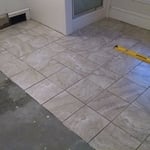
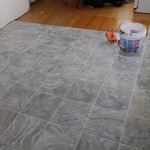
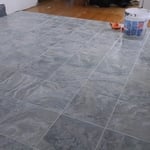
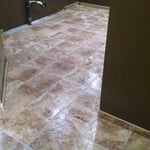
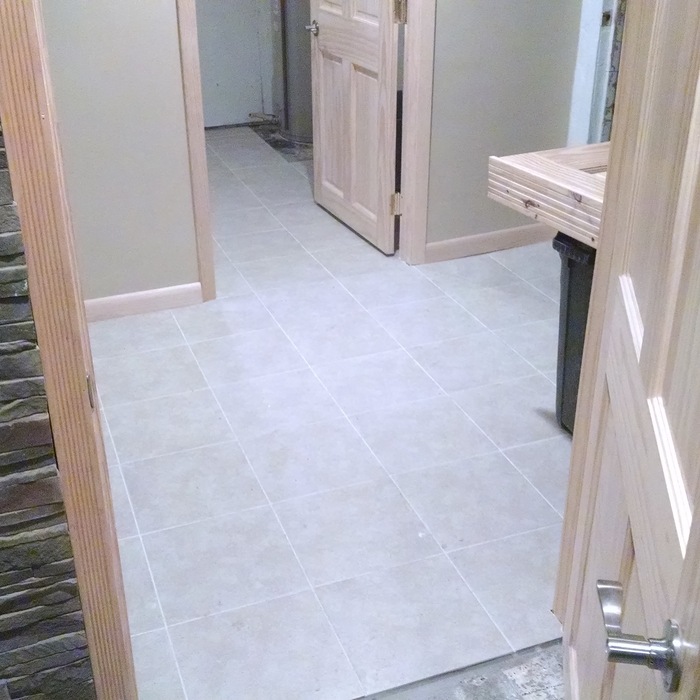
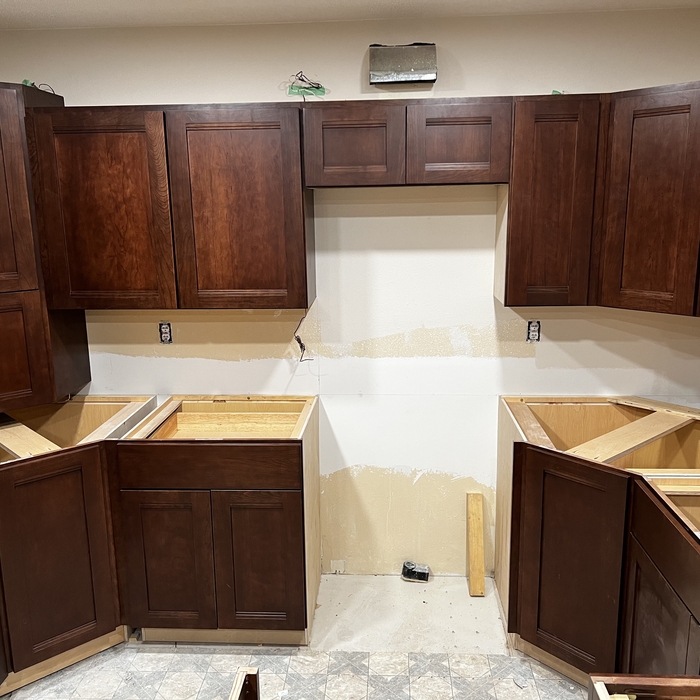
Progress photo
Progress photo
Progress photo
Progress photo
Progress photo

+6

Marble Restoration questions, answered by experts

Yes, Corian® and other solid surface countertops can be cut with standard woodworking tools like a circular saw or a jigsaw, but using the correct blade is crucial for the best results.

The recommended blade is a tungsten carbide-tipped blade, often called a solid-surface planer or triple chip grind blade. This type of blade is hard enough to cut through the material effectively. For a jigsaw, a fine-tooth down-cutting blade should be used.

It is important to note that a diamond blade is not necessary. Diamond blades are designed for harder materials like natural stone, concrete, or brick, and Corian is not a natural stone.

Using blades designed for wood is not recommended as they can cause microfractures that weaken the countertop's edges. While a tungsten carbide blade provides a much cleaner cut, the resulting edge will still be rough and must be sanded and smoothed to prevent microfractures from developing over time.

While quartz is highly stain-resistant, it is not completely stain-proof. Spills, including water, should be wiped up as soon as possible to prevent staining. Minor stains are usually not permanent and can be removed using a quartz-safe cleaner, a simple mixture of dish soap and water, or a baking soda paste applied with a soft microfiber cloth. For severe stains that persist, professional treatment may be necessary, and in rare cases, countertop repair or replacement might be required.

The frequency for sealing granite countertops depends on several factors, including the type of sealant used, the color of the granite, and how heavily the countertops are used. As a general guideline, resealing is often recommended every 12 to 18 months, but some sources suggest it could be as often as every few months or at least once a year.

The type of sealant is a major factor: water-based sealants may need reapplication every six months to a year, while more durable solvent-based sealants can last for five to 10 years. Additionally, factors like heavy kitchen traffic, frequent use of acidic cleaners, and lighter granite colors may require more frequent sealing to prevent staining.

To determine if your countertops need resealing, you can perform a simple water test. Place a few drops of water or a wet paper towel on an inconspicuous area of the granite. After 10 to 15 minutes, check the spot. If the water has beaded up, the seal is still intact. If the water has been absorbed and darkened the stone, it's time to apply a new coat of sealant. You can choose to seal the granite yourself or hire a professional to ensure it's done correctly.

Countertop resurfacing or refinishing can extend the life of your countertops for an additional 5 to 10 years. The longevity depends on the quality of the materials, the amount of wear and tear, and how well the countertops are maintained. To maximize their lifespan, avoid heat damage by using hot pads or trivets, use cutting boards to prevent scratches, clean with non-abrasive cleaners, and wipe up spills promptly.

Since cesspits must be watertight to prevent leakage and contamination, so they’re typically constructed from one of a few tough materials. Most cesspits are made from fiberglass, concrete, polythene, or steel. Each of these materials carries certain advantages—fiberglass, for example, is resistant to corrosion but may be more prone to cracking if it’s at high capacity.

The Mandaree, ND homeowners’ guide to marble restoration services

From average costs to expert advice, get all the answers you need to get your job done.