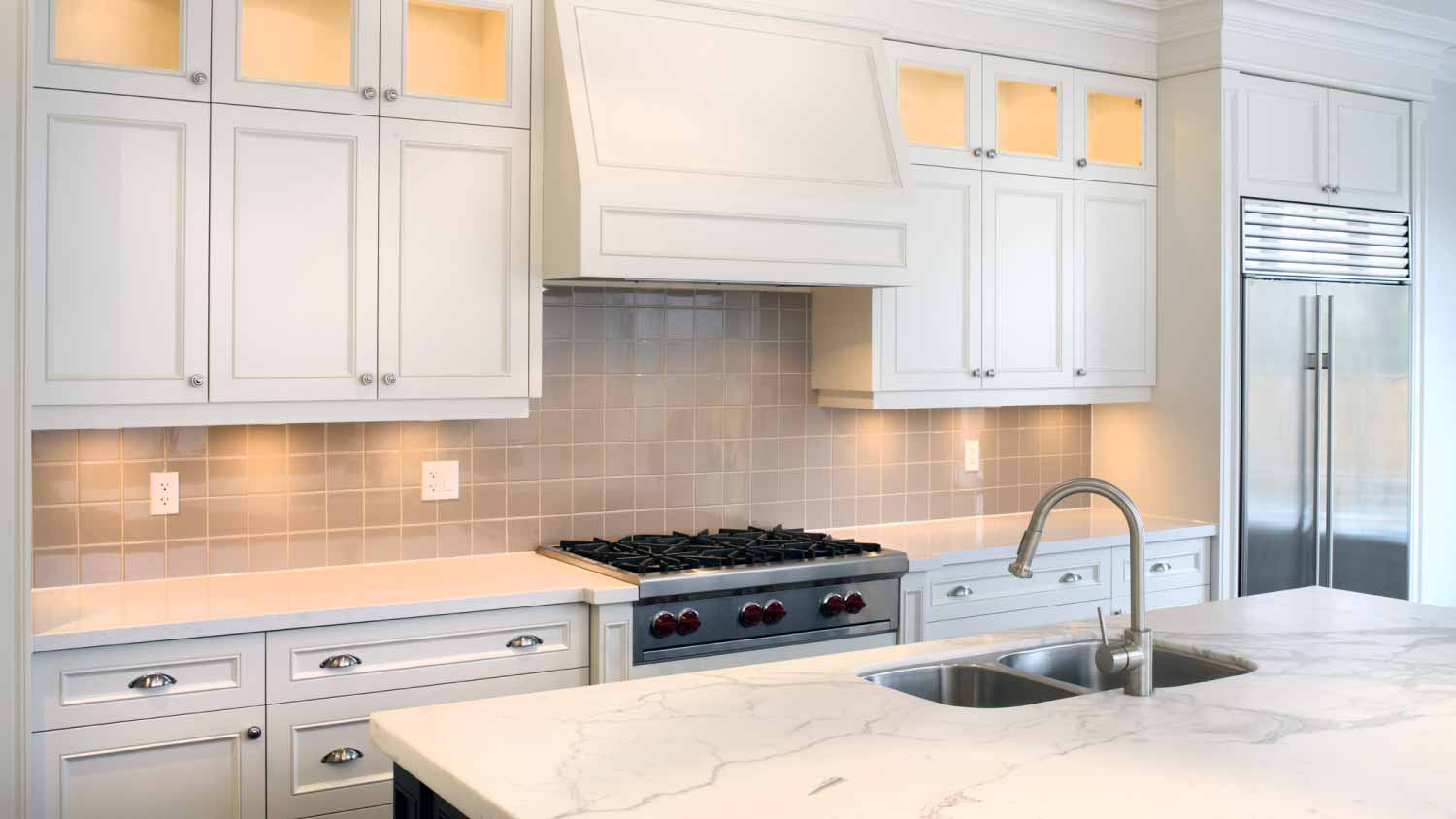

Top-rated marble restoration pros.

Get matched with top marble restoration pros in Kenmare, ND

Enter your zip and get matched with up to 5 pros

Need a pro for your marble restoration project in Kenmare, ND?

Select your specific project to find the pro for you.

Find Marble restoration pros in Kenmare

Marble Restoration questions, answered by experts

Onyx countertops have pros and cons. If you seal it properly and take care not to damage it, it can make a good countertop surface. However, it's more often used in bathrooms, where it’s less likely to sustain damage. Having an onyx kitchen countertop is possible, but you’ll need to take extra care not to burn, stain, or otherwise damage the material.

Yes, most professional repair services include the application of sealants for weatherproofing or waterproofing. This process helps protect the repaired area from moisture, weather damage, and future wear, which can improve durability and energy efficiency. It is always best to confirm with your contractor or service provider if sealing is included in their repair process.

Baking soda can damage some countertops, but it makes an excellent mild abrasive for removing stains on other countertops. For example, never use baking soda on quartz or glass countertops, but you can use it on laminate and tile. Stay away from using it on quartz because it can scratch and damage the counter, and glass is prone to scratches. Since baking soda is a mild abrasive, you can only use it on certain surfaces.

Marble is a porous natural stone that needs sealant to minimize staining. Leaving this type of countertop material sealant-free means any liquids left on the surface will quickly absorb into the stone, discoloring it and dulling the sheen. Dark or acidic liquids, like red wine, coffee, and lemon, are the worst culprits. 

The frequency for sealing granite countertops depends on several factors, including the type of sealant used, the color of the granite, and how heavily the countertops are used. As a general guideline, resealing is often recommended every 12 to 18 months, but some sources suggest it could be as often as every few months or at least once a year.

The type of sealant is a major factor: water-based sealants may need reapplication every six months to a year, while more durable solvent-based sealants can last for five to 10 years. Additionally, factors like heavy kitchen traffic, frequent use of acidic cleaners, and lighter granite colors may require more frequent sealing to prevent staining.

To determine if your countertops need resealing, you can perform a simple water test. Place a few drops of water or a wet paper towel on an inconspicuous area of the granite. After 10 to 15 minutes, check the spot. If the water has beaded up, the seal is still intact. If the water has been absorbed and darkened the stone, it's time to apply a new coat of sealant. You can choose to seal the granite yourself or hire a professional to ensure it's done correctly.

The Kenmare, ND homeowners’ guide to marble restoration services

From average costs to expert advice, get all the answers you need to get your job done.