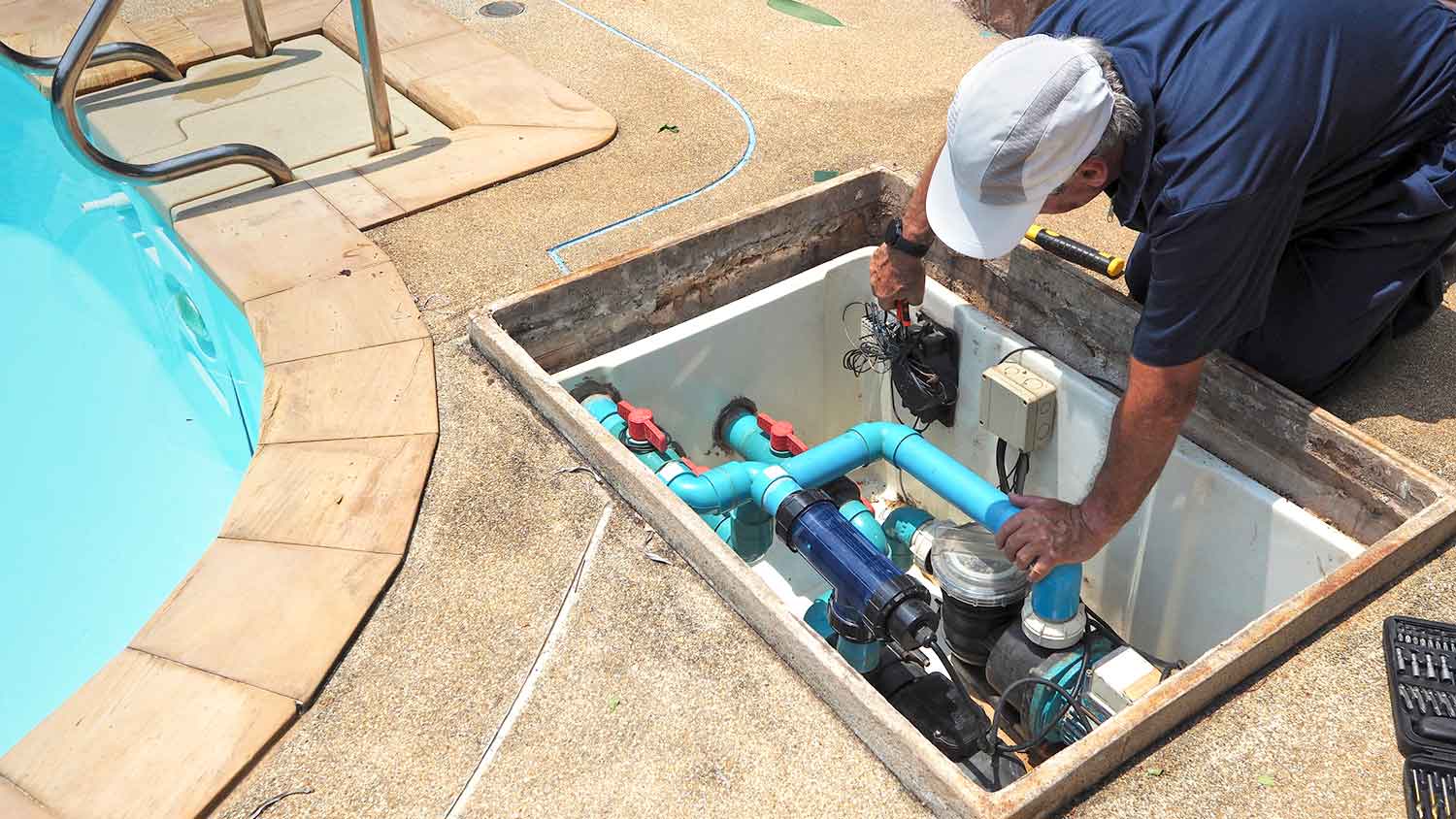
"Well, the first time the replacement was ordered it was the wrong one, which of course, delayed the installation a week. When it was finally installed I had to pay an additional $850 for code upgrades. This I was not informed of by Home Shield. Then we noticed that there was water on the garage floor and found that the pipe coming in from the wall was leaking at the wall so had to call the plumbing company back out to fix it. They first tried to say it was not their fault but since there wasn't a leak before they installed they did fix it. I have used Home Shield a few times before and never had a problem. Some of the companies they use are not the best so you have to research them before you commit. I have found HS service to be good if you do your homework. At the end of the day I was without hot water for almost 3 weeks but it was do to the plumbing company they sent out."
Here at W. Simpson Plumbing Services, LLC, we are a full service plumbing company for both residential and commercial. We are local, family owned and operated, and have a strong focus on customer service. We are fully licensed and ready to take on as much work as possible. Call us today for your free estimate. We look forward to meeting your home's needs.
In most cases, it is safe to clean a hot tub with vinegar. You will want to verify that your hot tub manufacturer lists vinegar as a safe cleaning product; however, given that vinegar is chemical-free, cleans, deodorizes, and is safe for people and pets, it is usually a good option. You can use vinegar to clean the hot tub shell, interior and exterior spa surfaces, hot tub jets, hot tub filter, and other parts. It is considered a strong, safe, and natural cleanser that can kill bacteria, remove mold and mildew spores, erase water spots, and remove hard water stains.
Most hot tub cracks can be repaired unless they have gone beneath the acrylic. If so, you may need a professional to determine if the crack is repairable or if you should consider hot tub replacement instead.
Yes, hot tubs can use a significant amount of electricity, primarily to keep the water heated. A typical hot tub uses between 1,500 and 6,000 watts, and the pump can add another 1,500 watts. This usage can result in a monthly cost of around $20 to $30. The exact amount of electricity consumed depends on several factors, including the hot tub's age, size, heater voltage (120V vs. 240V), usage habits, and thermostat setting. Newer, energy-efficient models generally use less power than older ones. To reduce electricity costs, consider investing in an energy-efficient model, using a quality insulated cover with a thermal blanket, and keeping the filters clean.
No. In fact, some owners prefer to “summerize” their hot tubs and use them primarily over winter to enjoy the contrast of cold and hot water. It’s possible to keep the tub filled and running year-round, and some pros may even recommend this method compared to the work and risks of a full winterization every year.
However, keeping the hot tub running will require additional resources. You’ll use more power and more chemicals to keep it in good shape. Weigh the pros and cons of your situation before making a decision.
You should have your spa or hot tub inspected and serviced yearly to prevent more costly repairs. Regular hot tub maintenance can save money and help keep you safe from hazards such as faulty wiring. Call a professional hot tub repair specialist, who will know what common issues to look for and have the parts and tools on hand to fix them immediately.
The Langdon, ND homeowners’ guide to pool and spa services
From average costs to expert advice, get all the answers you need to get your job done.
Discover how much pool maintenance costs, including average prices, cost factors, and expert tips to help you budget and keep your pool sparkling all season.
What’s the difference between a swim spa vs pool? Both can be great additions to your property; here’s how to decide which one makes the most sense for you.
If you live in an area without very cold winters but tempted to close your pool during the cooler months, read on. We dive into the many benefits of winter service.