

A broken hot tub pump can leave you with a lackluster soaking experience. Learn more about the signs that it’s time for a fix and the cost to repair the hot tub pump.
Get back to soaking, fast

Hot tub problems like lack of heat often indicate a damaged heater element that needs replacement due to corrosion or internal failure.
Jets that won't turn on point to an air lock in your system, which happens when air gets trapped during draining and refilling.
Leaks in your hot tub show up as pooling water nearby and signal issues with the pump, heating element, pipes, or jet seals.
Hiring a local pool service professional takes the guesswork out of diagnosing heater and pump issues, helping you get back to relaxing sooner.
There are few things more relaxing than slipping into a bubbling hot tub on a quiet evening. But when that hot tub is not working properly? That’s not quite so relaxing. Whether your hot tub is freezing cold or the jets aren’t working or it’s making strange noises, you want to get it fixed right away. But the first thing you need to do is diagnose the issue. Here are some of the most common problems that hot tub owners are likely to encounter, and what should be done about each.
If your hot tub isn't heating up, it's likely due to one of two things: a problem with your heater or with your water flow.
If the heater element is the culprit, that could be a big problem because it means it will need to be replaced, most likely due to corrosion or some other damage. If it's a problem with water flow, you may only need to clean or replace your filters.
If water isn't flowing out of your jets, that could be a sign of an air lock. This can happen when you drain the hot tub and then refill it. During this process, you may cause air to get trapped inside that blocks the flow of water.
Open all jets and let them run on high for about 30 seconds until you can see bubbles. If that doesn't work, you may need to call a professional to release the air by accessing the area near the motor.
If you've noticed water pooling up somewhere nearby, it's possible you've sprung a leak.
This is usually a sign that you have an issue with your pump, so the first thing to do is shut it down and check the pump to see if it needs to be replaced. If not, it could be the heating element, and if it's not that, check the pipes and the jets themselves to see if there's a seal broken somewhere. If you're still not sure, it's best to get a professional to take a look.
Whenever you hear unpleasant noises coming from something with a motor, that's a sign something is seriously amiss, and hot tubs are no exception. A lot of noise could indicate a problem with your pump.
If it's growling, it may just need more water, but if it's squealing it could be a sign the bearings are shot and you need a new pump.

If your water is starting to stink or just looks discolored and dirty, get it tested right away. A simple test strip will show you what the pH, chlorine, and alkaline levels are. Compare that to what the manufacturer says should be the correct level.
Most of the time when this happens, it's a sign the hot tub hasn't been maintained properly. All hot tubs need to have the water shocked with special chemicals to keep it clean and safe. If you've been doing that, check the filter to see if it needs to be cleaned or replaced.
Sometimes, turning on your hot tub will trip the circuit breakers. A GFCI device will automatically shut it off if it detects electrical problems to prevent anyone from getting electrocuted after stepping into the hot tub.
Something is causing the GFCI to trip, and it could be one of multiple components in your hot tub, from the pump to the blower. To test and see what is causing the problem, each component will need to be unplugged separately. As a result, this job is best left to a pool repair professional.
Sometimes, your hot tub just straight up tells you that something is wrong on the control panel. It will display an error code that you can look up in the user manual.
Refer to your user manual to identify the problem. It should also recommend a solution. If you're unsure of whether you can perform the repair, always contact a pool service professional near you. Don’t worry, it’s not that expensive: the cost to fix a hot tub can be as little as $160.
D.P. Taylor contributed to this article.
This service was great. My air conditioner went out during the heat spell that we had. My husband has health issues and they came out that night and at 9:30pm the air conditioner was fixed and running. We are sooo very thankful, this is the company I will be using from now on and would...
 Mr. Mechanical Ohio
I had FabClean 614 clean my apartment, and she did an outstanding job. She was so professional and efficient. My apartment looks absolutely spotless every surface, every corner, all cleaned to perfection. Definitely highly recommend FabClean 614 if you're looking for top-notch cleaning...
 Fab Clean 614
Binion and Alex did such a good job. Fast, fair, efficient. Would def use them again. Best experience Iâ ve had in moving - someone should give them a raise. Will undoubtedly recommend this service.
 All My Sons Moving & Storage
Great customer service. The owner Ilia was wonderful to work with. Would definitely recommend this company.
 Window Depot USA of Central Ohio
I definitely recommend Ramonaâ s cleaning service! I have booked services with her many times and she arrives on time, ready to work and provides a great service.
 Your Cleaning Solutions LLC
Excellent experience! Left my place looking great. Friendly customer service too. Would recommend!
The service was excellent! They gave me a quote, and had it done 4 days later. My driveway looks amazing, very professional! I would definitely recommend their service to anyone. I have had neighbors stop by and ask for their information as well.
 All Star Paving and Sealing
Webb â s was priced well, flexible on scheduling, great with communication, and detailed in their work. Iâ ll definitely use their services again.
 Webbs Pressure and Paint LLC
They’ve been great to work with. All of my clients that have used them have nothing but good things to say about the experience. Quick responses and fast service. They’re a trustworthy team!
 Total Home Roofing
Mary Cleaning Service is fantastic! The entire team is professional and pay a great deal of attention to detail. They do such a thorough job of cleaning my house. I would definitely recommend!
From average costs to expert advice, get all the answers you need to get your job done.
A broken hot tub pump can leave you with a lackluster soaking experience. Learn more about the signs that it’s time for a fix and the cost to repair the hot tub pump.

Discover the average hot tub maintenance cost, what impacts pricing, and how to save money. Get expert tips to keep your hot tub running smoothly all year.
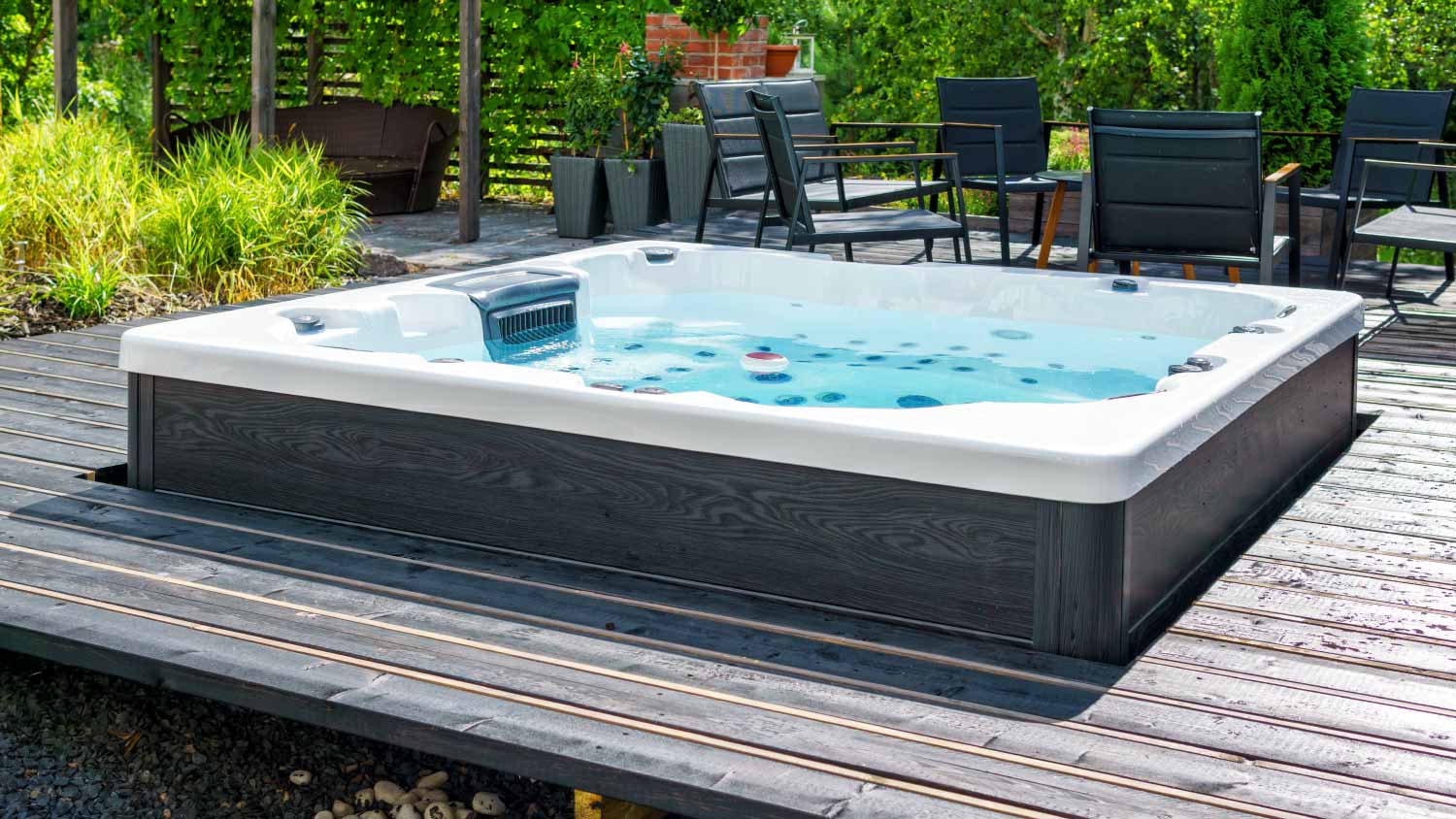
How much do hot tub movers cost? Find out the average prices for professional hot tub movers, whether you’re moving it on your property or to a new home.
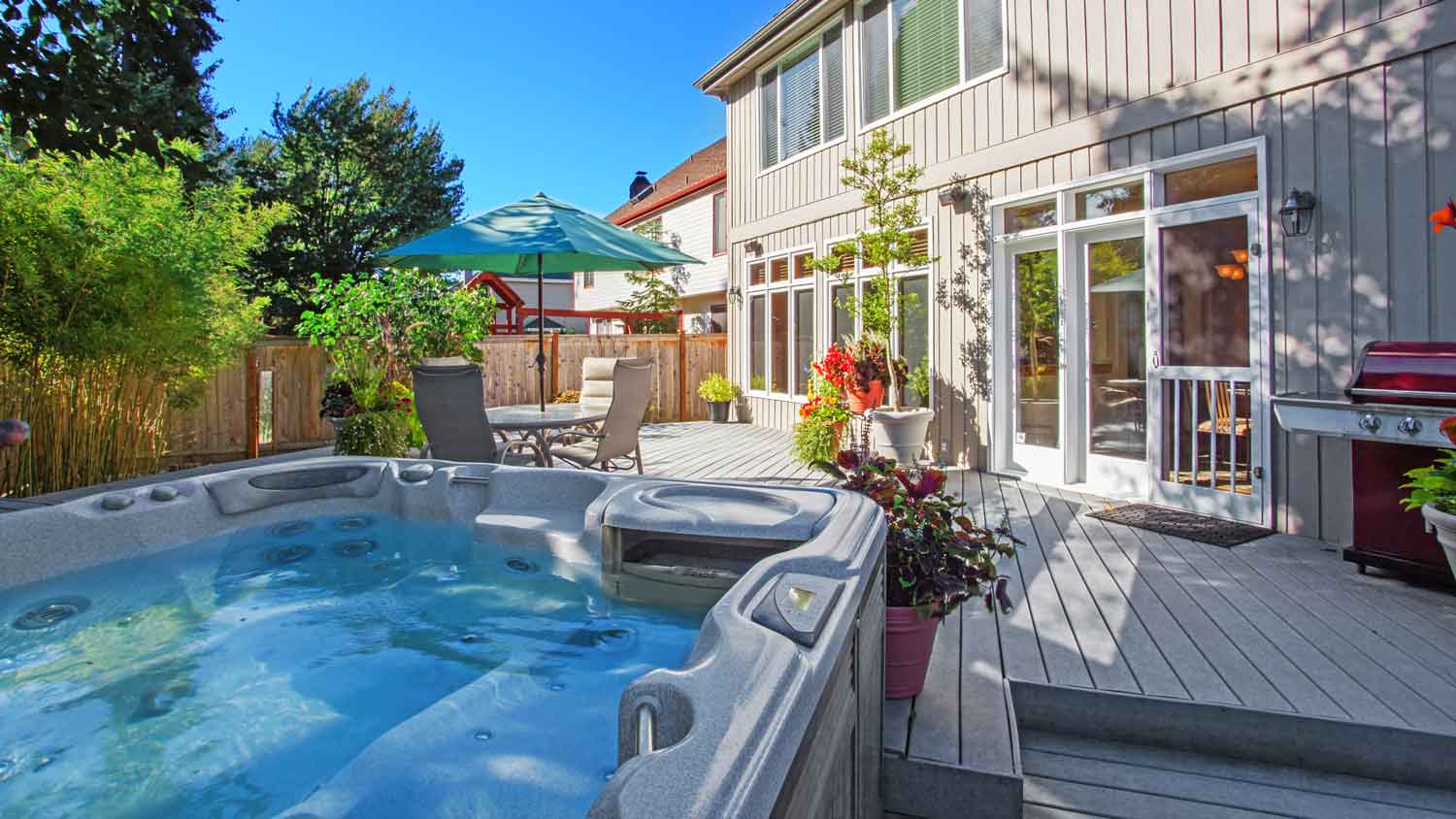
It’s difficult to narrow down the best hot tub sizes for your space. This guide can help, whether you’re putting it on a small patio or in a large yard.
Relaxing in the privacy of your home is priceless, but there are major differences between a jetted tub and hot tub to consider.

If you’re wondering who to call to fix a hot tub, there are a few options. For most people, a repair technician is the best bet, but it’s not the only bet.