There are products that still contain asbestos, but they were typically installed decades ago. Common places where you may still find asbestos-containing materials are in siding, wrapped around ductwork, in older appliances (i.e., stove and gravity furnaces), and in floors. Asbestos was primarily used as an insulator, so anywhere in an older home where you lose heat is where you will most likely find asbestos.
Yes, most services include testing the generator to ensure functionality. Confirm with your provider.
No, you do not have to worry about new popcorn ceilings having asbestos. All residential building materials used since the mid-1980s stopped including asbestos, so new popcorn ceilings have no risk of asbestos. You can still create a textured drywall ceiling with a popcorn texture if you like, but new techniques have no risk of adding asbestos.
The signs of asbestos exposure are often subtle and may not appear for many years, or even decades, after initial contact. This long latency period is one of the primary dangers associated with asbestos.
When symptoms do manifest, they can include:
Shortness of breath
A persistent, dry cough
Chest pain or tightness
Fatigue
Wheezing
Weight loss
Difficulty swallowing
A dry, crackling sound from the lungs when breathing
These symptoms are non-specific and can be mistaken for other respiratory conditions, making diagnosis challenging. Prolonged exposure can lead to serious diseases as the asbestos fibers cause scarring and inflammation in the lungs. These conditions include asbestosis, lung cancer, and mesothelioma.
Due to the vague nature of early symptoms, regular medical check-ups are crucial for anyone with a known history of asbestos exposure, particularly in an occupational setting. If you suspect asbestos is present in your home, a professional inspection is recommended.
Asbestos is a carcinogen, meaning it increases the risk of cancer. Inhaling asbestos fibers is linked to several respiratory issues, including asbestosis, or scarring on the lungs, lung cancer, and mesothelioma, another type of cancer. There's also a link between asbestos exposure and an increased risk of colon cancer and other cancers of the digestive system.
Usually, the people most at risk for disease related to asbestos exposure are those who spend a lot of time working around the material without protection. Electricians who work with asbestos wire have a higher risk of developing mesothelioma or lung cancer due to their exposure.
The Lakota, ND homeowners’ guide to percolation testing services
From average costs to expert advice, get all the answers you need to get your job done.
Dry wells are handy for anyone who’s experiencing drainage problems. But dry well installation costs can vary depending on its size, location, and volume.
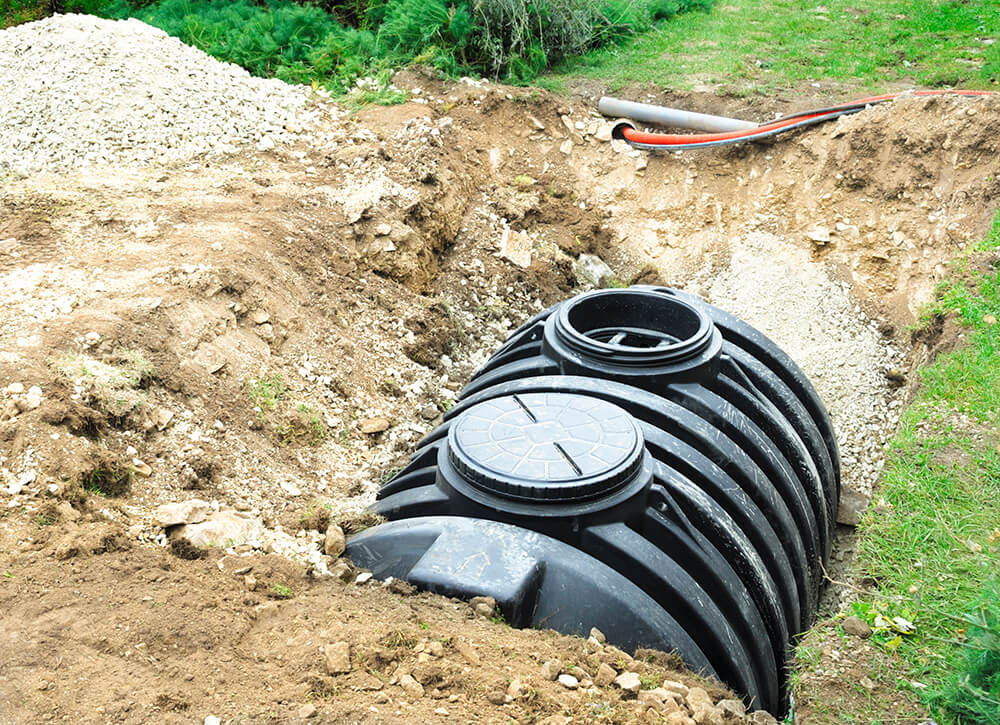
The time it takes to replace a septic tank depends on a few factors. Sometimes the fix is simple, but even if it’s not, here’s how long it takes to replace a septic tank.