Trees that provide a habitat to bats and an abundance of bugs—their main food source—will attract bats to your yard. Because the North American landscape has changed so much in recent years, bats have a harder time finding trees with cavities to shelter in. If your yard has a dead or dying tree with a lot of sun exposure, bats will likely be drawn to it because trees with those features are less common.
Pest control and wildlife removal are different services. Pest control specialists typically handle insects and bugs, often using chemicals and poisonous sprays for extermination. Wildlife removal professionals, on the other hand, focus on larger animals. They prioritize humane methods like trapping and relocation, using poison only as a last resort. For insect problems, contact a pest control professional; for issues with other animals, an animal or wildlife removal specialist is the correct choice.
Once the animals and their young are out of the house, remove the nest and locate any entry points. Some may be difficult to find because some animals can fit through very small holes. Once you’ve located as many entry points as possible, use materials such as metal or masonry to block off the entry. Ideally, you should choose materials that most animals cannot chew through. Create a one-way door or flap to allow animals to leave but not return. Additional methods include using repellants designed to make an area unappealing to the types of animals that find your home so inviting.
You can take multiple approaches to keep animals out of your edible landscape. You can use natural repellents such as mint and cayenne pepper to deter them from your garden. You can also build a fence (or opt for a privet hedge) or keep the most enticing plants in a sectioned-off area. The most efficient method of keeping your four-legged guests at bay is to determine what animal it is and create a customized plan for them.
Birds are often averse to certain strong scents. For instance, the odor of predator urine, such as that from foxes or hawks, can deter them. Similarly, birds may dislike the pungent aromas of garlic, onions, and chili peppers. Essential oils like peppermint, eucalyptus, and citrus can also be effective in keeping birds away. However, it's important to note that individual bird species might react differently to these scents, so it might require some experimentation to find the most effective repellent for your specific situation.
The Hettinger, ND homeowners’ guide to bird control services
From average costs to expert advice, get all the answers you need to get your job done.
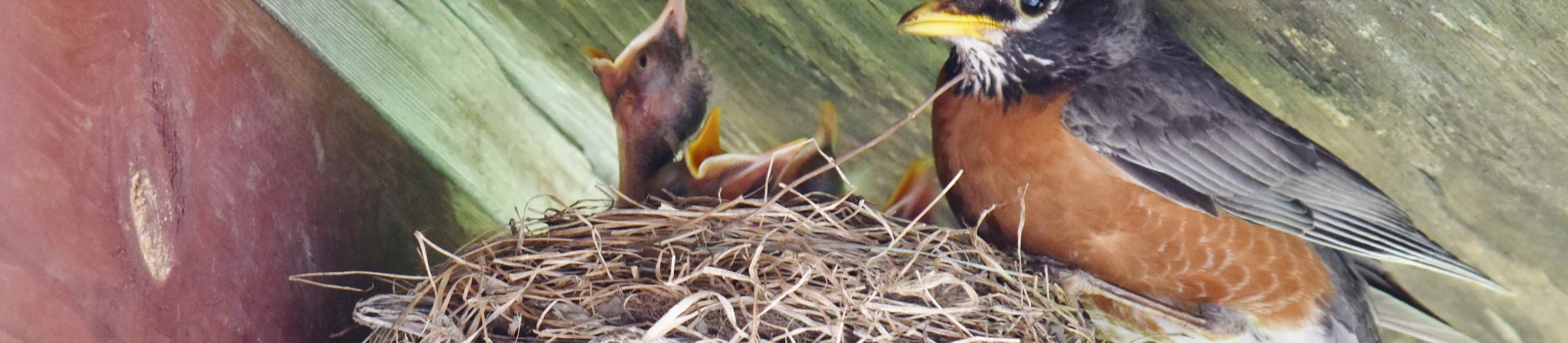
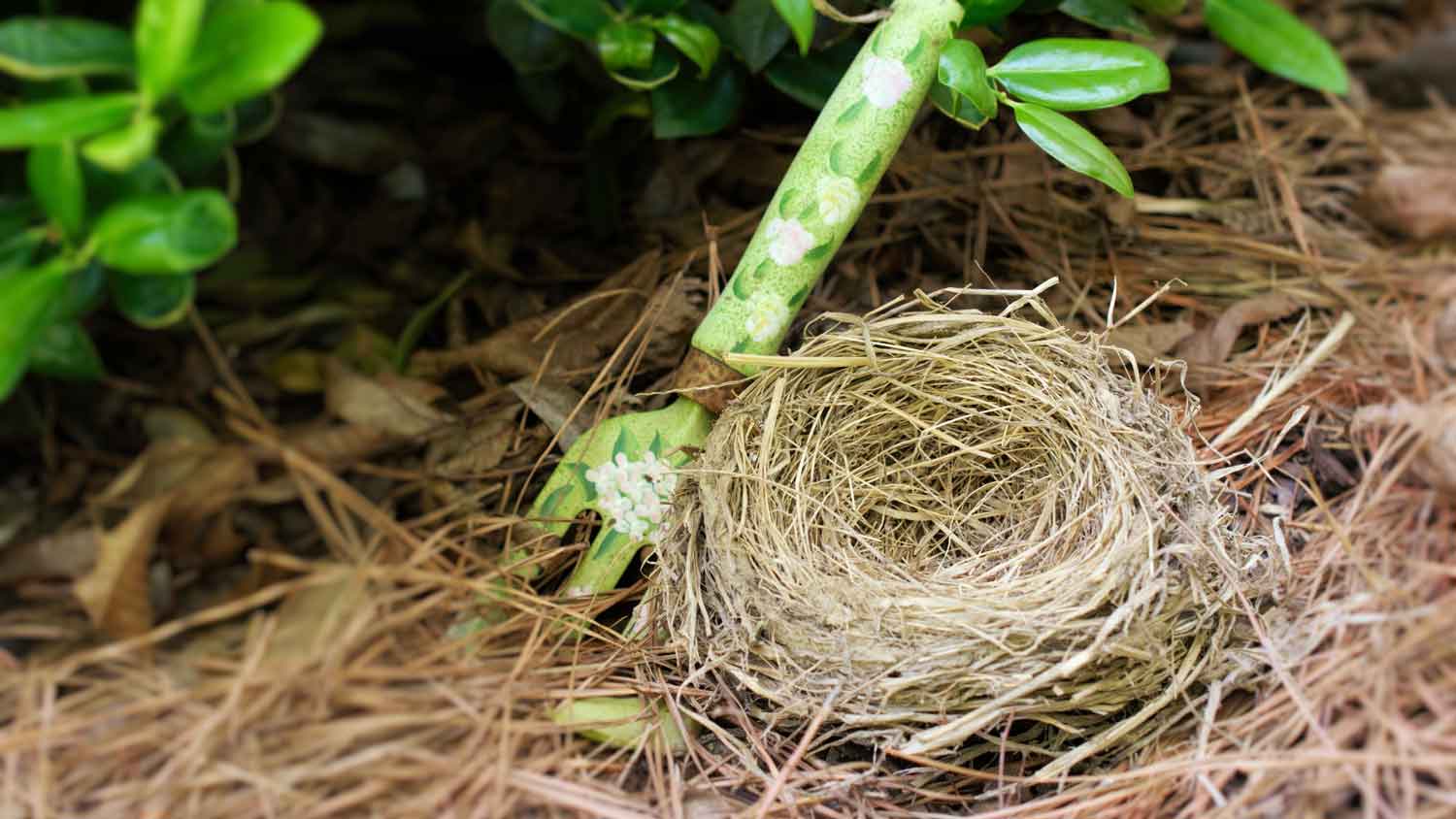
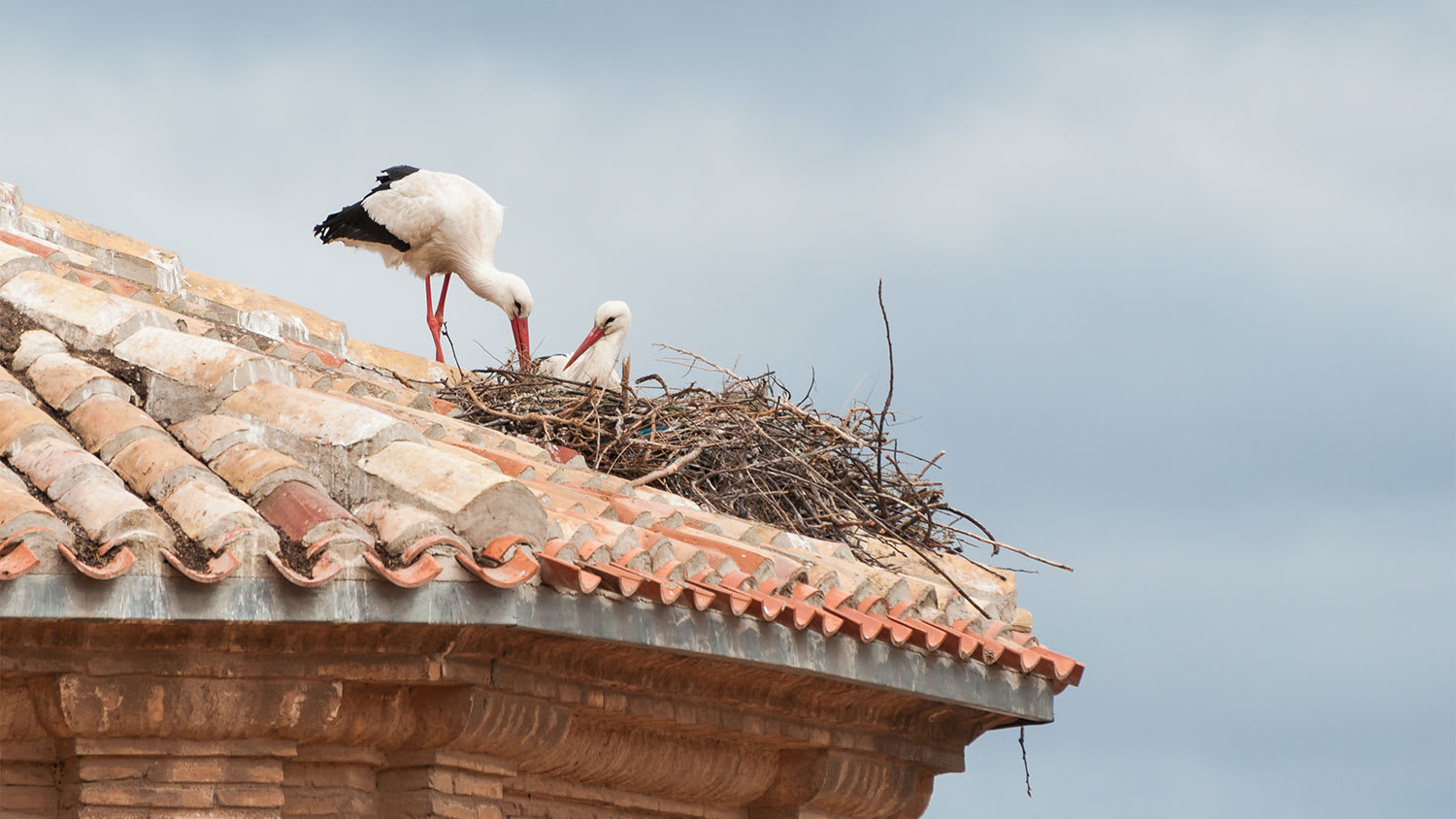
Sometimes birds nest in unwelcome places. Find out how much bird nest removal will cost based on factors like location, bird species, and preventative measures.