Look for goose repellents that contain the ingredient methyl anthranilate. This is a natural chemical found in grape juice. In human food, it’s often used as grape flavoring. With geese, it’s highly irritating. Grape Kool-Aid contains methyl anthranilate, the active ingredient in most bird repellents. It won’t harm geese, but it will deter them.
The cost of pest control services depends on various factors, but the average homeowner pays around $175, with a typical range of $100 to $500. Your final cost will be influenced by the type of pest, the size and severity of the infestation, and the number of treatments needed.
Service costs also vary by frequency:
One-time service: $300–$550
Initial visit for ongoing service: $150–$300
Monthly visits: $40–$70
Quarterly visits: $100–$300
Annual visits: $300–$550
For specific pest examples, getting rid of spiders typically costs between $100 and $300, whereas a termite infestation can cost from $230 to $2,500 or more, depending on the extent of the damage.
Natural swimming pools are designed to deter pests, including mosquitoes. While any body of water can potentially attract pests, the natural filtration system keeps the water clean and constantly moving. Mosquitoes specifically are attracted to standing water, so the continuously circulating water in a natural pool makes it an inhospitable environment for them.
You can take multiple approaches to keep animals out of your edible landscape. You can use natural repellents such as mint and cayenne pepper to deter them from your garden. You can also build a fence (or opt for a privet hedge) or keep the most enticing plants in a sectioned-off area. The most efficient method of keeping your four-legged guests at bay is to determine what animal it is and create a customized plan for them.
Studies indicate that owls don't possess a conventional sense of fear. However, they find intense, sudden human noise unsettling, like clapping or shouting. Additionally, owls are likely spooked by sudden bursts of bright light. While they may not experience fear as humans do, these disturbances can disrupt their natural behaviors, making it essential to minimize such disruptions when sharing spaces with these remarkable creatures.
The Faith, SD homeowners’ guide to bird control services
From average costs to expert advice, get all the answers you need to get your job done.
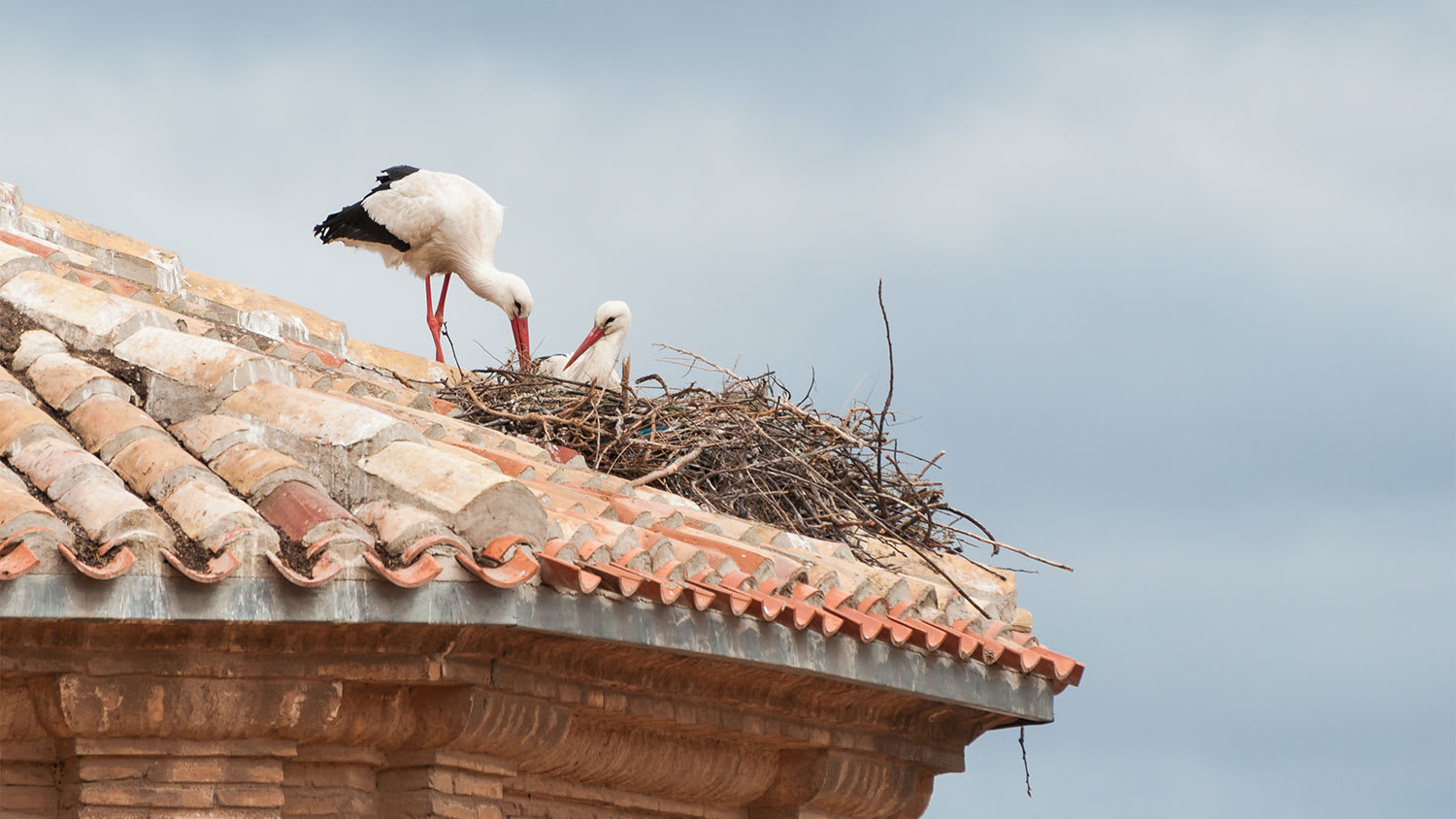
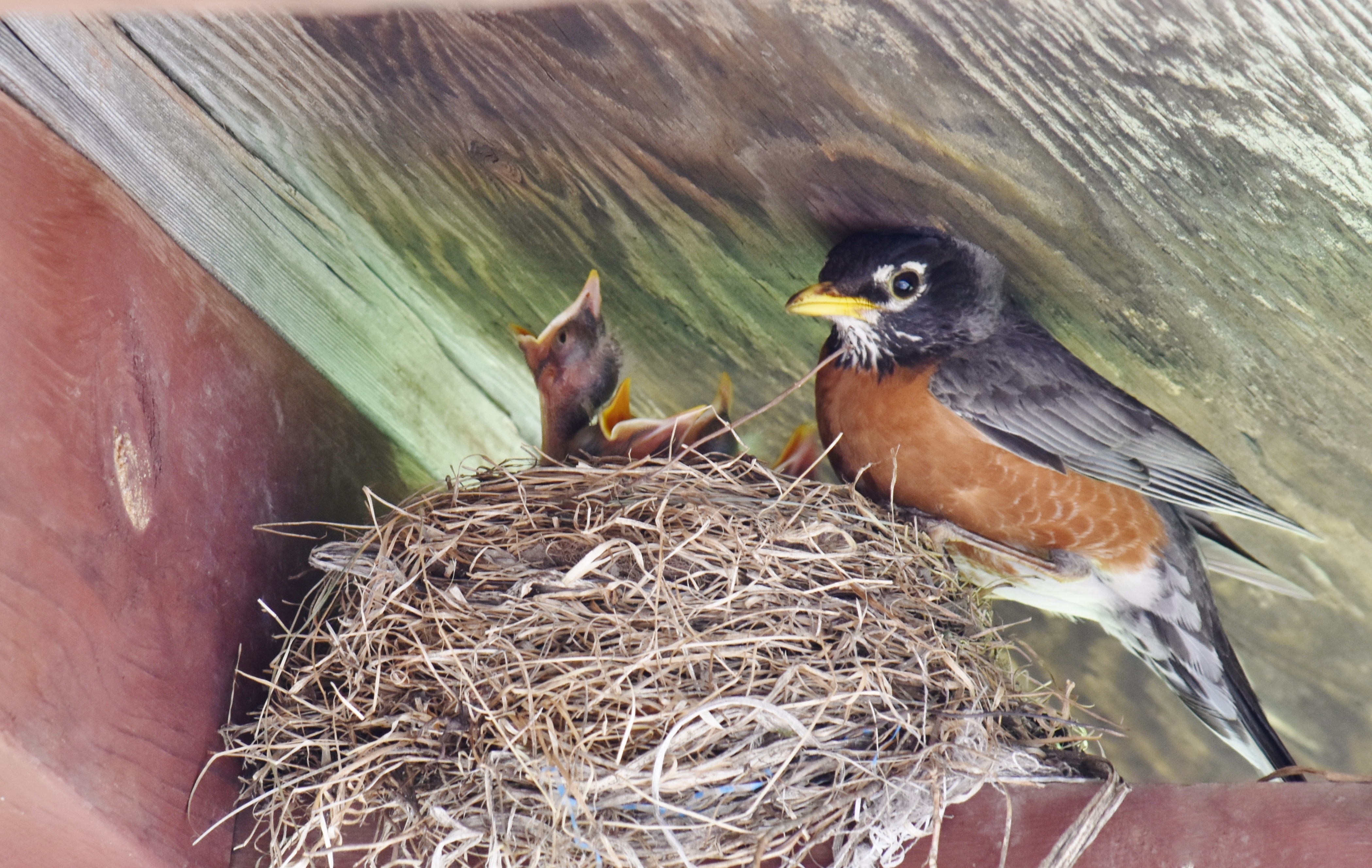
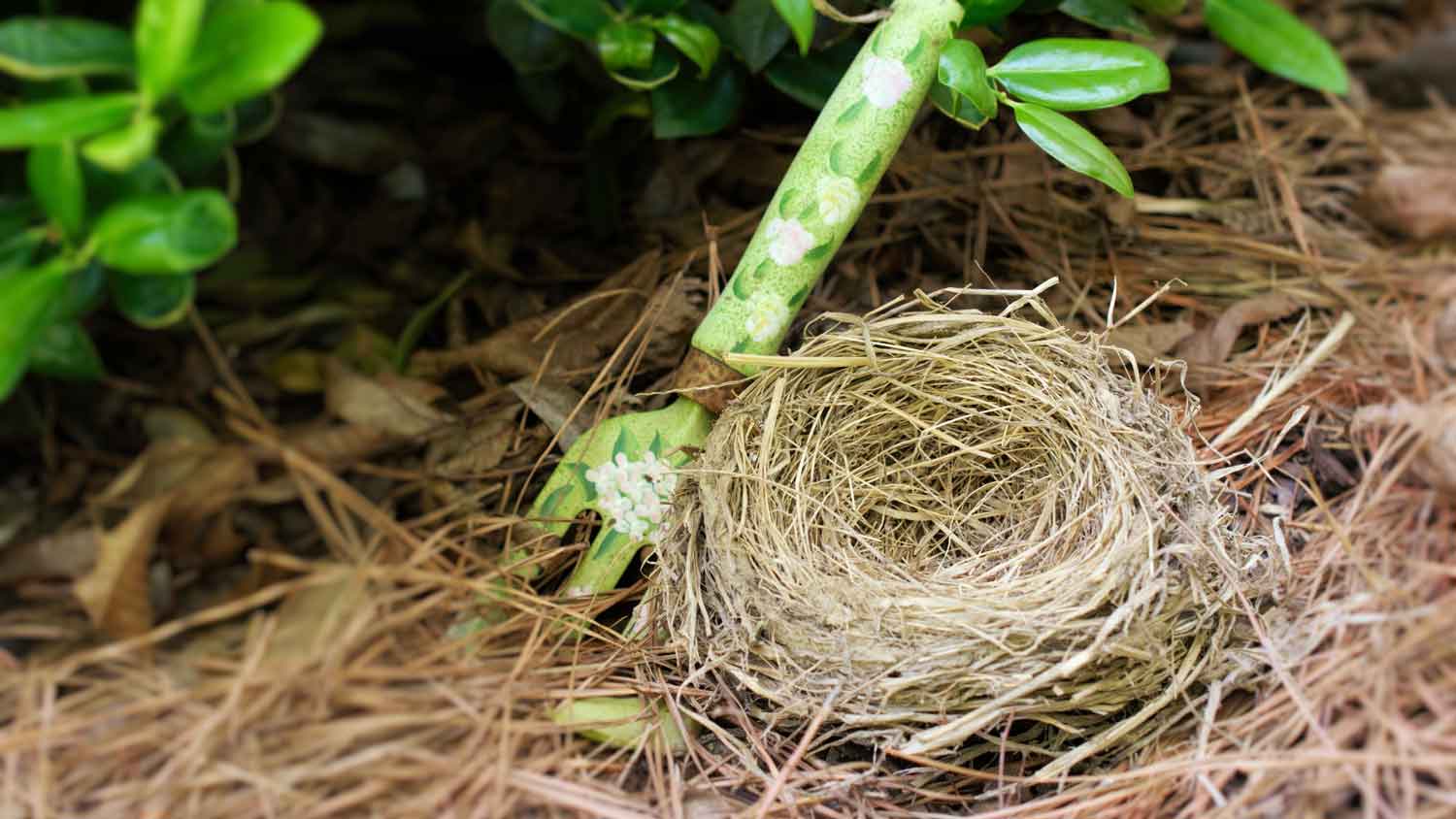
Sometimes birds nest in unwelcome places. Find out how much bird nest removal will cost based on factors like location, bird species, and preventative measures.