"Tony and Sue do a great job. They tape and cover all area that are not to be painted. The quality of their work is outstanding. They do a great job of keeping the job site clean during the process and clean up very well when they are done. They went the extra mile for me, replacing weather stripping on several of my doors. I highly recommend them."
"They were excellent, I would highly recommend. Everyone was very professional and showed up right when they said they would. They were gentle and everything arrived intact. They had us on the road in no time."
"Brandon Chumley of Handyman Chumley, LLC is an amazing handyman! I would reccomend his work to anyone! He made my girls so happy with our Christmas lights on the house! I'll always call on Handyman Chumley for all my household needs! Thanks!"
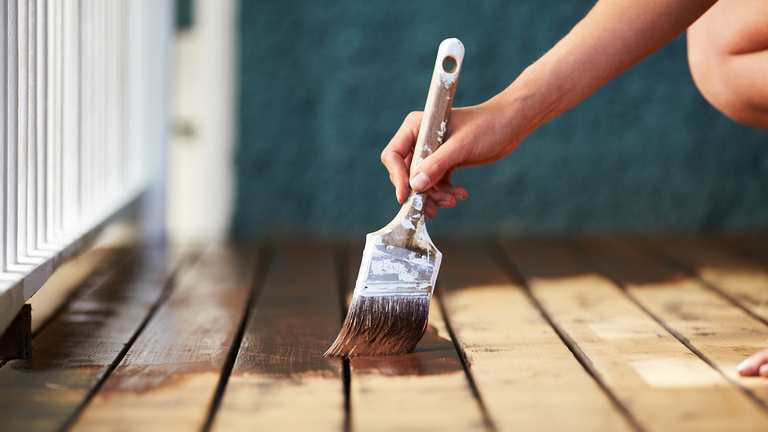
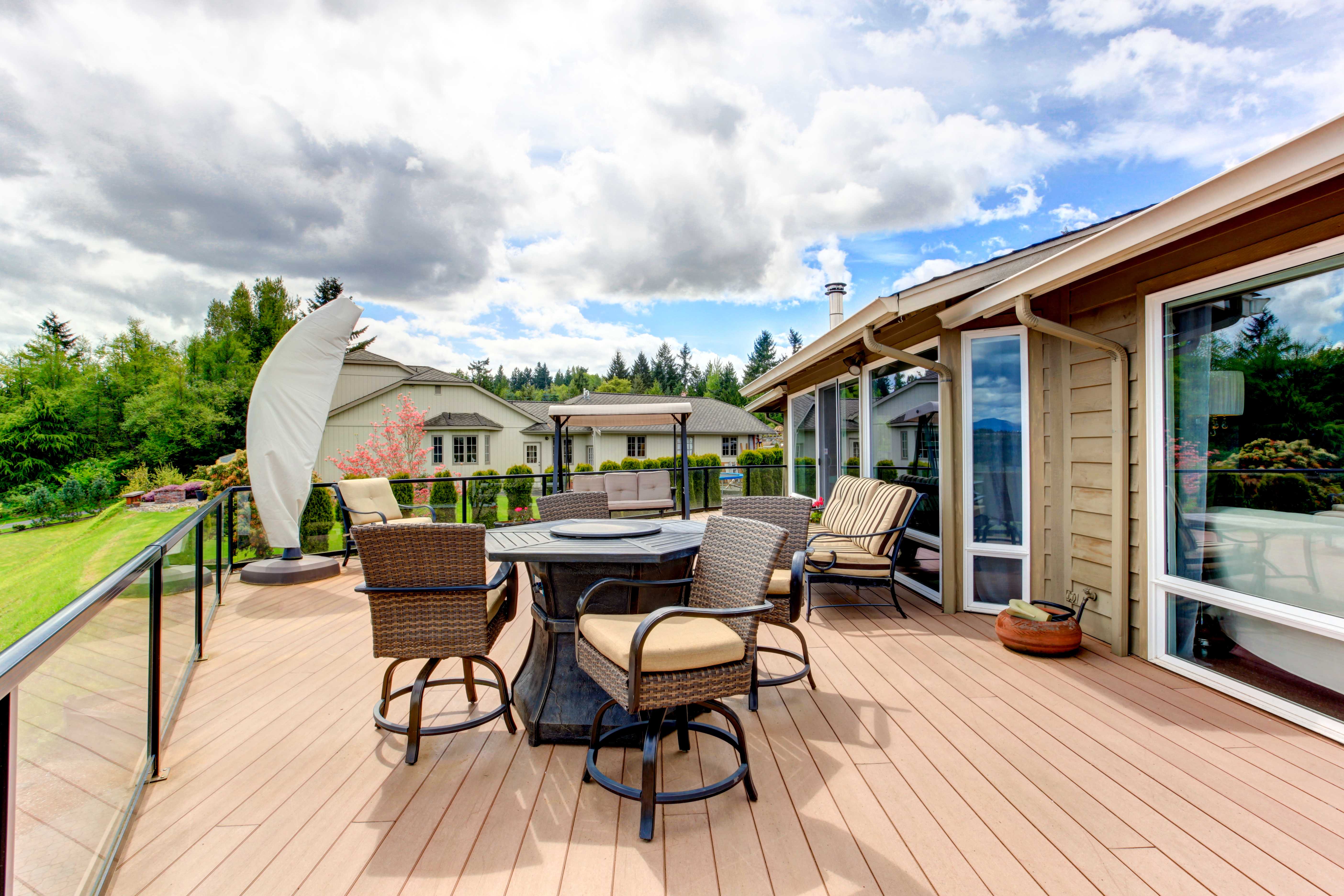
Various kinds of substances and deck preservatives act as protective coatings for wood to prevent rot, which is caused by water getting into the wood and creating cracks and splits. Stains, paints, and sealants are the three best options to protect your wood, but there are also oils, varnishes, and waxes available. You’ll need to reapply sealant at least once per year, and you should inspect your wood deck regularly to look for signs of damage or general wear and tear.
You don't need to seal your deck after painting it because most exterior paints are waterproof and weather-resistant. While stealing is not necessary, it can add an additional layer of protection.
Hangers are one way of attaching stair stringers to a deck. These metal hangers are usually adjustable, allowing you to find the ideal angle for a secure installation. They’re the best choice for installing longer staircases, such as one on a two-story deck, to reduce the load on the deck frame while keeping the stairs stable.
The best type of paint for concrete exterior surfaces like concrete porches, steps, or walkways is high-quality exterior-grade paint with strong weather resistance. Acrylic latex blends with tiny anti-slip particles will help create an anti-slip coating for your concrete porch. This type of paint will stand up best to the elements, especially rain, snow, and ice. An exterior epoxy will also help strengthen your concrete porch.
Painting a damaged pool deck is not recommended if the substrate is crumbling, cracking, spalling, or otherwise actively deteriorating. Continuing deterioration will result in the paint also delaminating or flaking off the damaged surface. Minor damage such as chips or hairline cracks that are not actively deteriorating can often be repaired enough to paint over. A damaged pool deck with a lot of cracking and deterioration should be replaced for best results.
The Hebron, ND homeowners’ guide to deck staining services
From average costs to expert advice, get all the answers you need to get your job done.
Cedar is a popular decking material, best known for its natural wooden look and resistance to rot. So, how much does a cedar deck cost? Find out in this guide.
Planning a deck staining or painting project? Learn about finish options, average costs to expect, and how to hire the right local pro for your backyard.