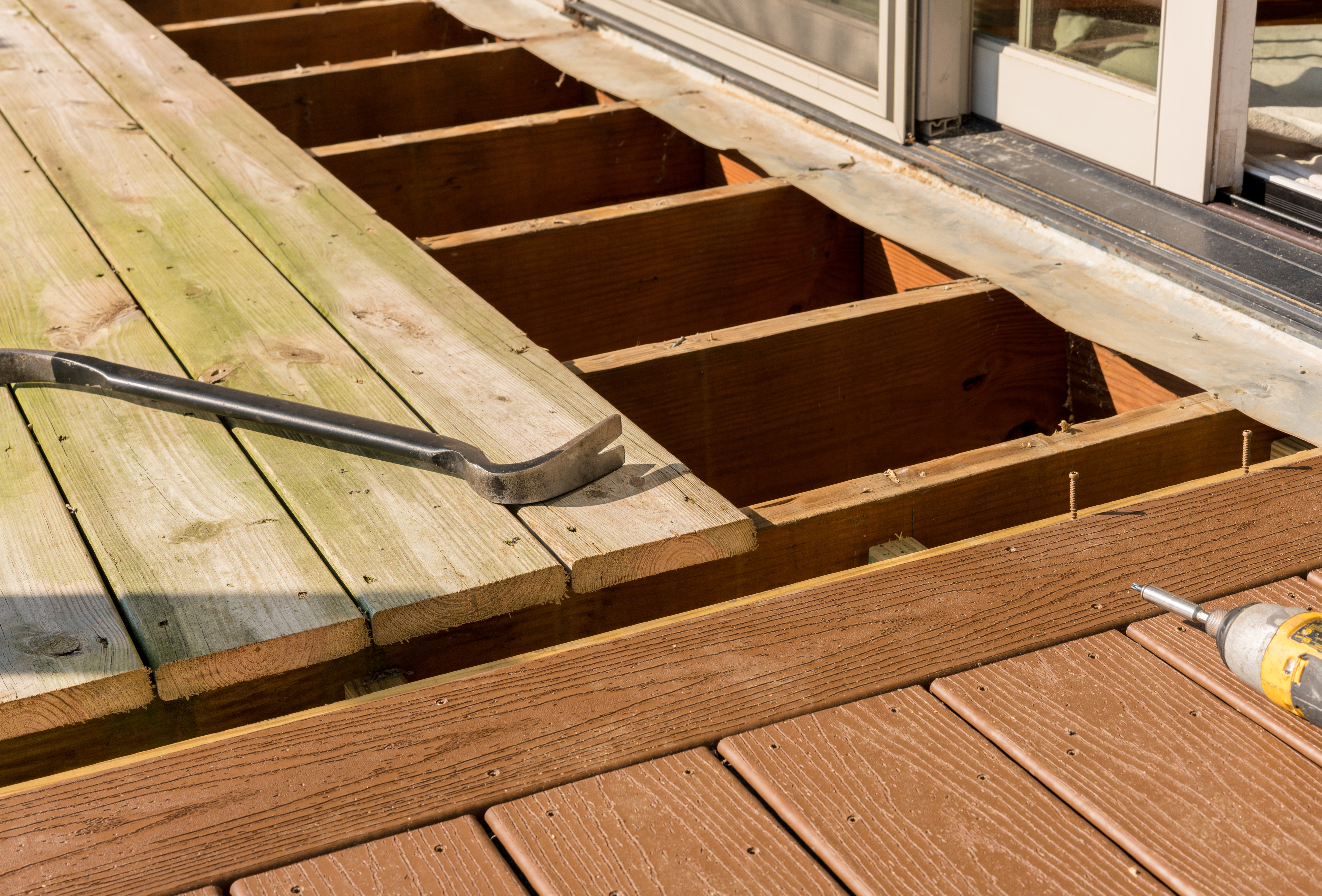
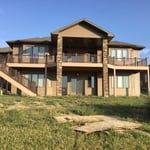
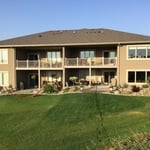
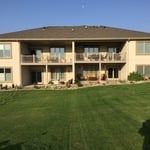
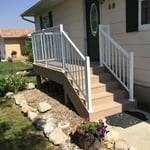
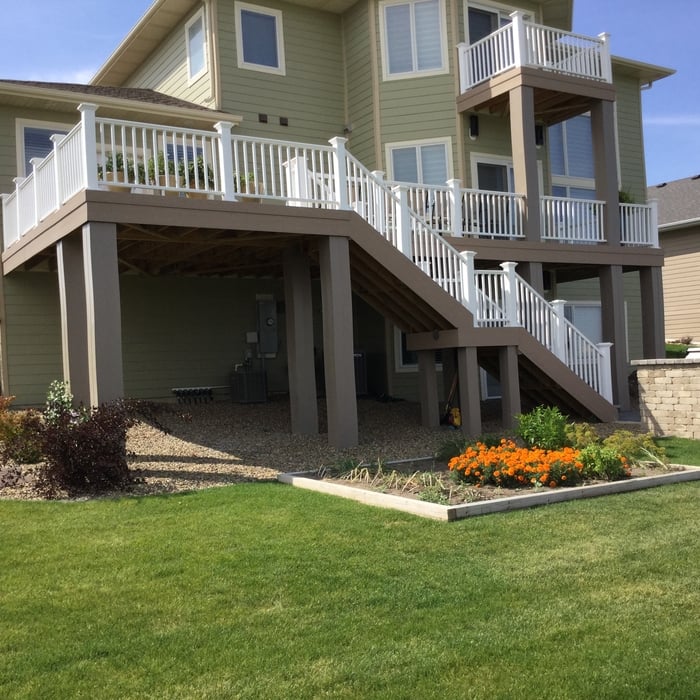
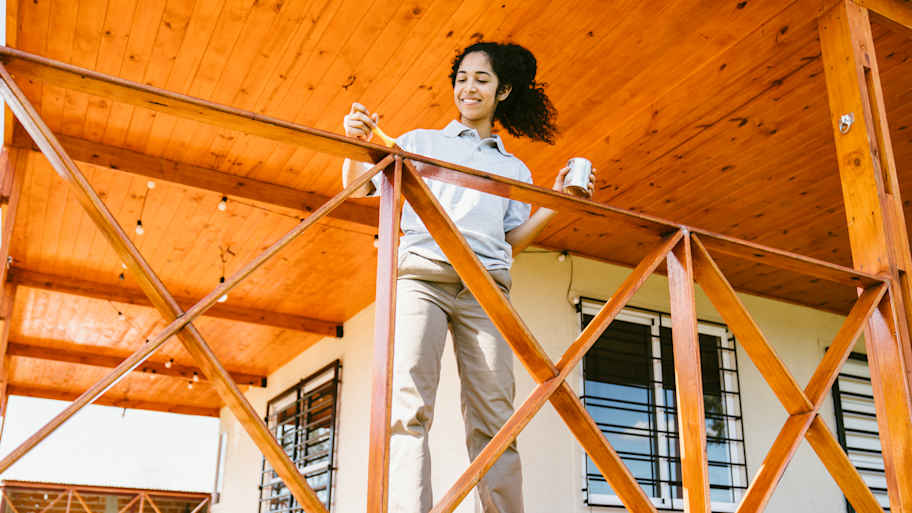
At Regal Enterprises, LLC, we are your premier source for decks, glass, and windows. Our company offers the finest in craftsmanship and quality. When it comes to professionalism and customer service, we are unmatched in the region. For the best of the best, please call today for your next project.
We work extremely hard for the owner and always have the owner's best interest at heart. Our long term vision is for us to become a go to general contractor with capabilities to do multiple types of projects.\n
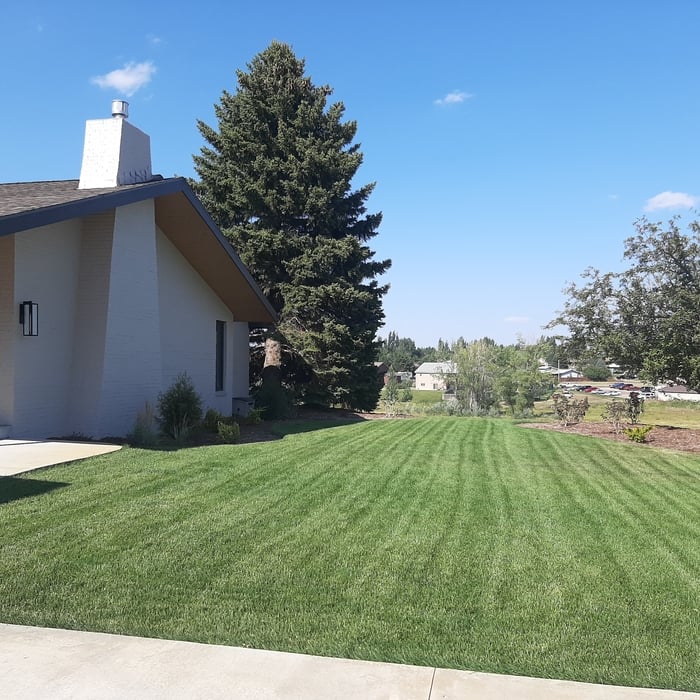
"They are very easy to work with year round. We have them for snow removal in the winter, lawn care in the summer and fall and spring clean up. They also winterize our sprinklers every year."
We are a locally owned and operated company that values honesty and integrity in all aspects of our business. Our major focus is on the quality our work and producing outstanding results. We are committed to creating a level of value unmatched by any of our competitors. We look forward to building lasting relationships with our clients and guarantee your satisfaction!\n
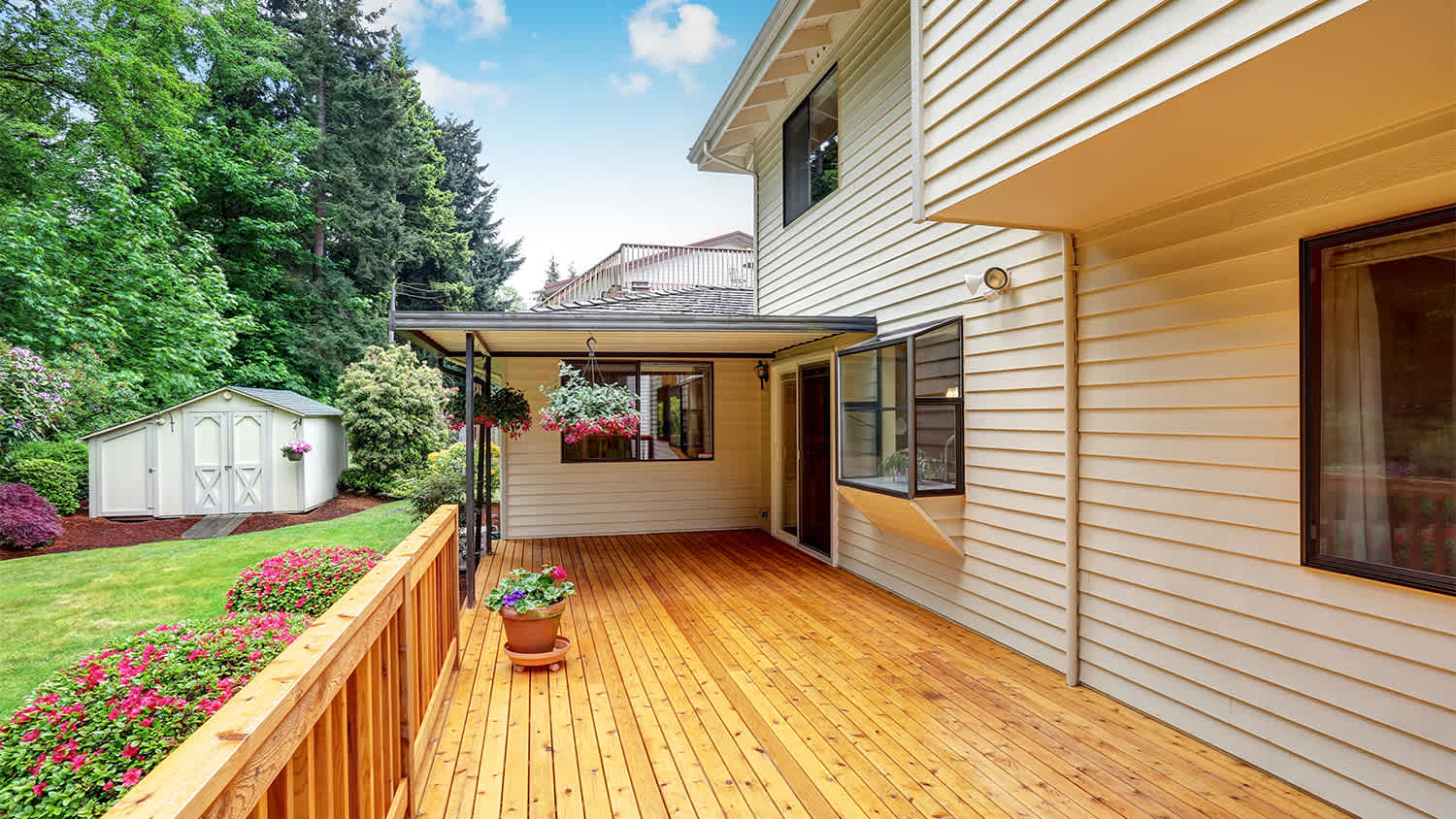
The life expectancy of deck boards varies widely based on the material, climate, and maintenance. Untreated wood boards typically last 10 to 30 years with proper care, while pressure-treated boards can last up to 50 years. Hardwoods generally outlast softwoods. Composite boards also tend to last longer than natural wood. Environmental factors like arid or humid climates can shorten a deck's lifespan. To extend the life of wood decking, it's important to consistently clean and seal it to protect against moisture, UV light, and insects.
For a 12x20-foot (240-square-foot) deck, you can expect to pay between $7,200 and $14,400. This cost is based on a general price of $30 to $60 per square foot. The final price will depend on factors such as the decking material, design complexity, deck type, location, and local labor costs. Keep in mind that add-ons will increase the total; for example, adding an under-deck drainage system to a deck of this size could cost an additional $7,700.
Constant exposure to inclement weather conditions can damage your deck, causing it to fade, warp, or crack over time. Regular maintenance keeps it looking and performing its best. That means giving it a good cleaning and applying a quality sealant or wood treatment to help defend against moisture, sun damage, and everyday wear.
Most building codes list a minimum width of 36 inches and a maximum height of 7¾ inches. However, for the most comfort and spaciousness, you’ll want to aim for a width of at least 48 inches and a height of 7 inches. Again, it’s always a good idea to base your numbers off steps that you already use comfortably.
The best base materials for a ground-level or floating deck are typically gravel and crushed stone (also known as landscaping rocks). These options are inexpensive, provide excellent drainage, prevent weeds, and help minimize moisture buildup, which reduces shifting and rotting. For added stability and to evenly distribute the weight, you can use concrete deck blocks or pavers. While more expensive, concrete blocks and pavers offer a sturdier base than gravel or crushed stone alone.
The Hebron, ND homeowners’ guide to deck repair services
From average costs to expert advice, get all the answers you need to get your job done.
Deck replacement costs depend on materials, any structural damage you need to fix, and more. This guide explores how much it costs to replace or repair a deck.
Refinishing your deck is a great way to restore its appearance and fall in love with your outdoor space. Use this guide to learn how much it costs based on factors like size and type.
Old and run-down porch railings can be an eyesore and pose a risk of falling. Find out how much it costs to replace your worn out porch railings with new materials.
If your deck is in bad shape, this deck repair checklist will help you inspect, clean, maintain, and repair it without missing any vital steps in the process.