On average, a gas grill can last from five to 15 years. The exact lifespan depends on several factors, including the brand and quality of the grill, frequency of use, and whether the gas line is buried or above ground. With proper maintenance and care, such as regular deep cleanings to remove food, grease, and carbon deposits, a grill's life can be extended. Protecting the grill from the elements with a cover can also prevent rust and reduce the need for repairs. Most grill manufacturers also offer extended warranties, which vary in coverage and terms.
Yes, most states require a plumber to be licensed, and for good reason. Hiring an unlicensed plumber could lead to poor quality work, costly future expenses, and potential code violations. Check our state licensing tool to review the local plumber guidelines.
As you browse our pro listings, take note of the “Angi Approved” badge. Angi Approved businesses meet our standards for certification, which include:
The owner, principal, or relevant manager passed a criminal background check
Required to have applicable state and local licenses
Maintain an average star rating of 3.0 or better on our network, if they have at least one review
Paying to advertise their services
Meeting any other eligibility criteria required by Angi
Keep in mind licensing is different from certifications. A license is a legal requirement to operate a business, while certifications are voluntary.
Propane sales companies typically offer propane delivery, tank installation and maintenance, grilling refills, and emergency support for supply interruptions.
While it’s possible to repair minor grill issues like replacing a burner, more serious issues are clear indicators that you need to replace the entire unit. A few signs that your gas grill may be at the end of its life span and it’s time to consider replacing it include:
Rusty or cracked firebox
Weak, yellow, or uneven flames
Flaking, cracking grates
Leaking or cracked propane hoses
Failing igniter
Heavy buildup of grease
The most significant benefit of having a gas grill over a propane grill is that you never run out of fuel unless there’s an outage in your area, which is rare. Unlike with a propane grill, you’ll never need to haul tanks back and forth to a local fill station, and you’ll never find yourself unable to use your grill because you forgot to refill your tanks. Gas grills also burn slightly cleaner than propane grills, and natural gas costs significantly less than propane, meaning it’s more affordable to run your grill.
The Garrison, ND homeowners’ guide to gas log services
From average costs to expert advice, get all the answers you need to get your job done.
Whether it's time for pipe replacement or to hook up the range of your dreams, gas line installation cost is an important line in your budget. Let's take a look.
This guide shares information about the cost to remove a gas fireplace, including the average price to additionally remove the breast, stack, and chimney flue as well as which experts will be needed to complete the project.

Ventless gas logs serve the same purpose as vented gas logs. But that doesn’t mean they’re interchangeable. Find out more on whether you can use ventless gas logs in a vented fireplace or not using this informational guide.
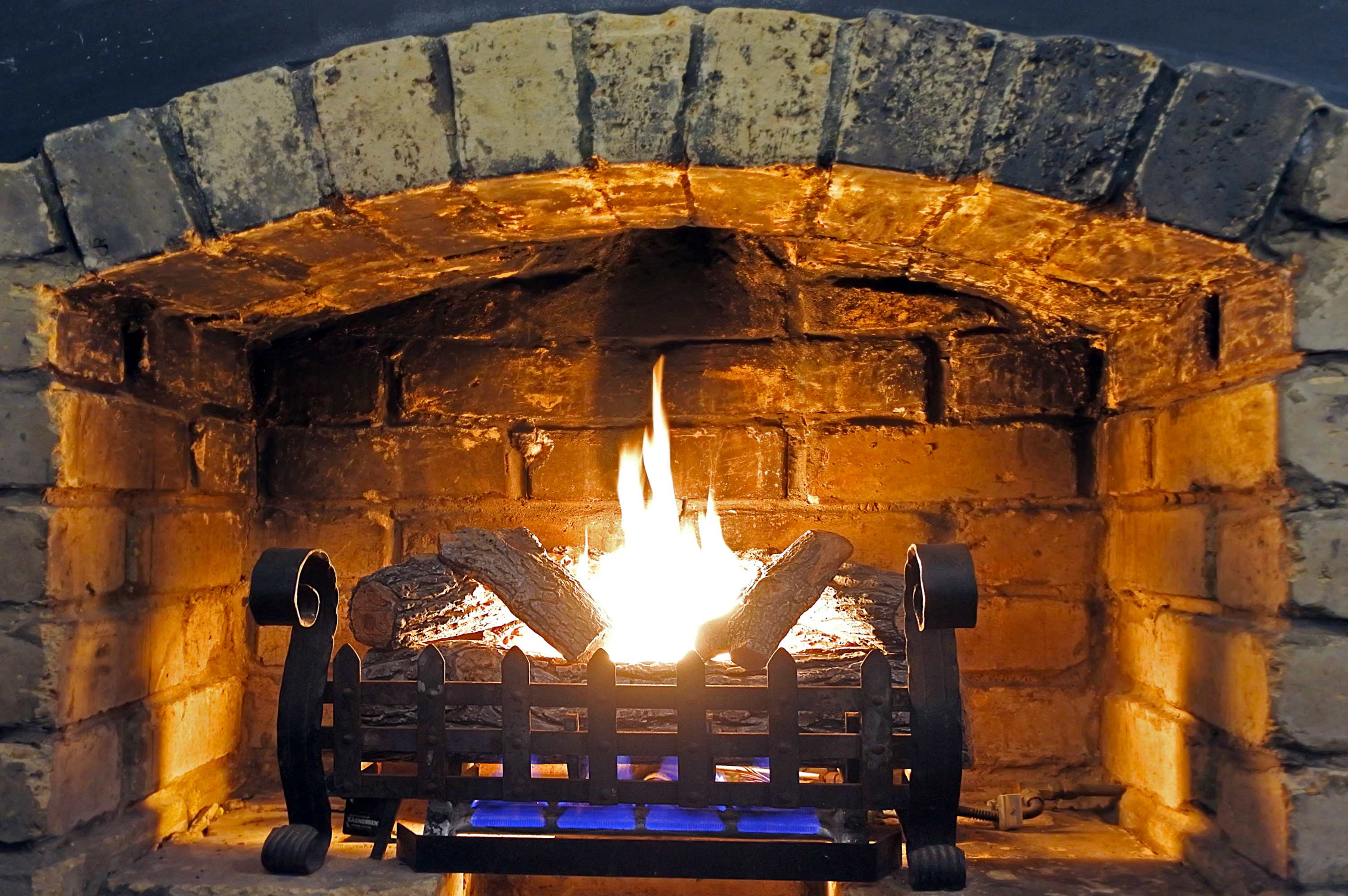
When comparing vented versus ventless gas logs, vented logs are better for ambiance, while ventless gas logs are easier to install and heat a room efficiently.