"I only use James when I need some work done to my house. He responds fast, gets the work done quicker than just about anyone else I've ever used and seems very concerned with leaving his customers happy."
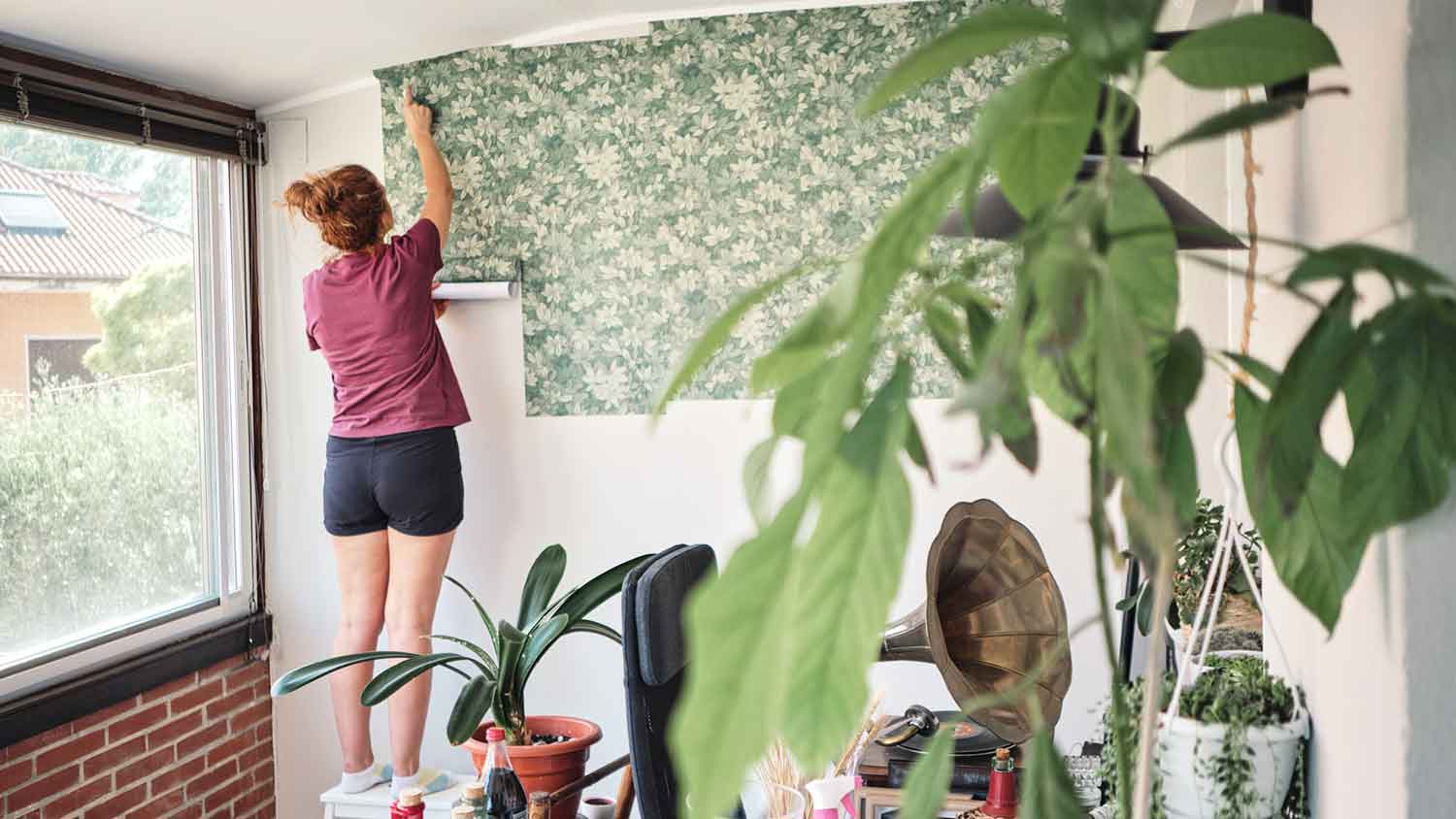
To remove adhesive-backed wallpaper, you’ll need to soften the adhesive before you try peeling the wallpaper off the walls. You may wonder whether peel-and-stick wallpaper damages walls. It can depend on the removal method. Make sure to be patient and consider using a steamer, hair dryer, or adhesive remover to carefully take down adhesive-backed wallpaper.
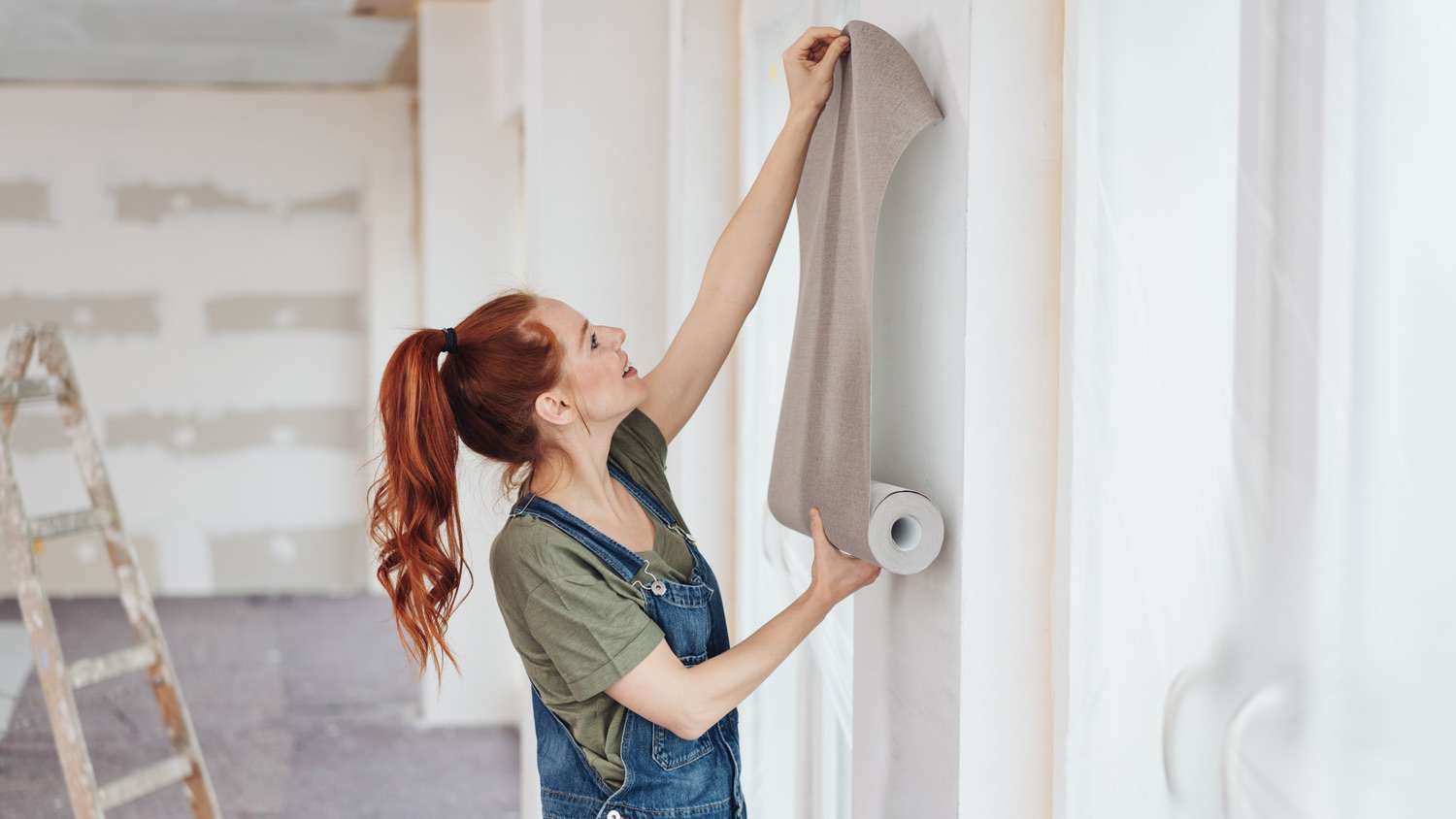
In most cases, it is not recommended to wallpaper over existing wallpaper, as the success depends on the type of paper already on the wall. While you might be able to cover non-coated wallpaper, you should never apply new wallpaper over a vinyl-coated one, which is more common. Doing so can lead to poor adhesion, resulting in bubbles, imperfections, and peeling. It can also trap moisture, potentially causing hazardous mold growth between the layers.
Even if the existing wallpaper is suitable, experts recommend applying only one new layer. Adding multiple layers (more than two total) can cause significant adhesion problems, leading to warping and bubbling. For the best results, the recommended approach is to remove the old wallpaper and all paste residue before hanging the new paper. If you are unsure about your wallpaper type, consider consulting a professional.
As long as the surface you’re putting the tile on is properly prepped, peel-and-stick backsplashes should stay on and last anywhere from 3 to 5 years. The best way to ensure the tile stays on is to sand down and clean the wall before applying your design.
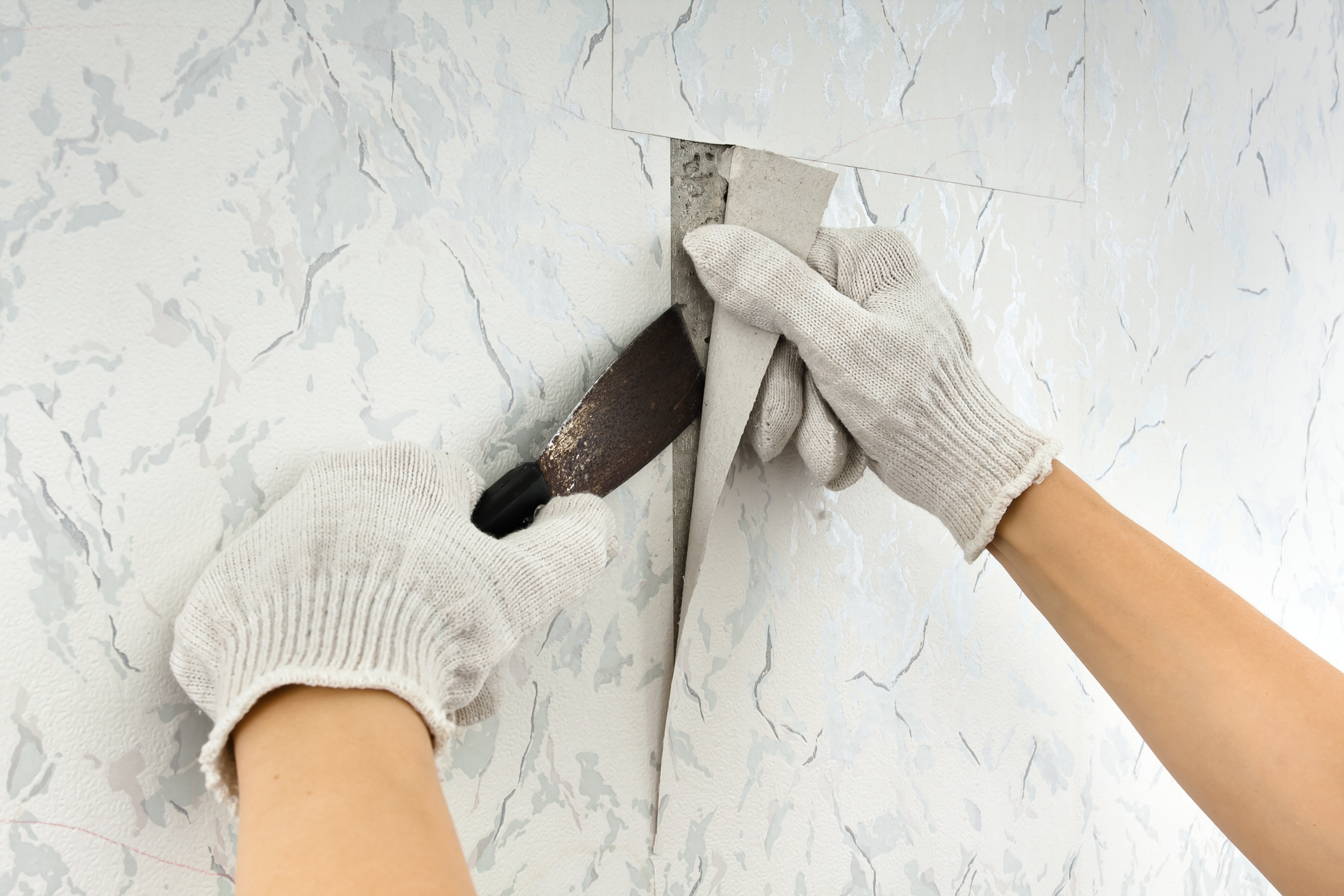
While you can remove wallpaper yourself, it is a labor-intensive process that risks damaging your walls. Common DIY methods include using a steamer to loosen the adhesive or spraying the paper with a solution of hot water and vinegar or dish soap before scraping. However, steamers can cause irreparable damage if used incorrectly, and the spray-and-scrape method can harm drywall if it gets too wet or you scrape too aggressively. For these reasons, hiring a professional is often the fastest, easiest, and safest option. A pro has the experience and specialized tools to remove wallpaper efficiently without damaging the underlying surface, which saves time and minimizes the prep work needed for your next wall treatment.
While many types of peel-and-stick wallpaper can be used in bathrooms, they may not adhere as well in humid environments as traditional wallpaper. For best results, choose a vinyl or polyester-based wallpaper, as these materials are more durable and water-resistant. Good ventilation is also crucial to reduce humidity from steamy showers. In bathrooms with high moisture and inadequate ventilation, even high-quality peel-and-stick wallpaper is likely to peel over time.
The Ellendale, ND homeowners’ guide to wallpaper removal services
From average costs to expert advice, get all the answers you need to get your job done.
Skim coating drywall is a great alternative to replacement, and is often more affordable. Use this guide to estimate the cost to skim coat walls in your home.
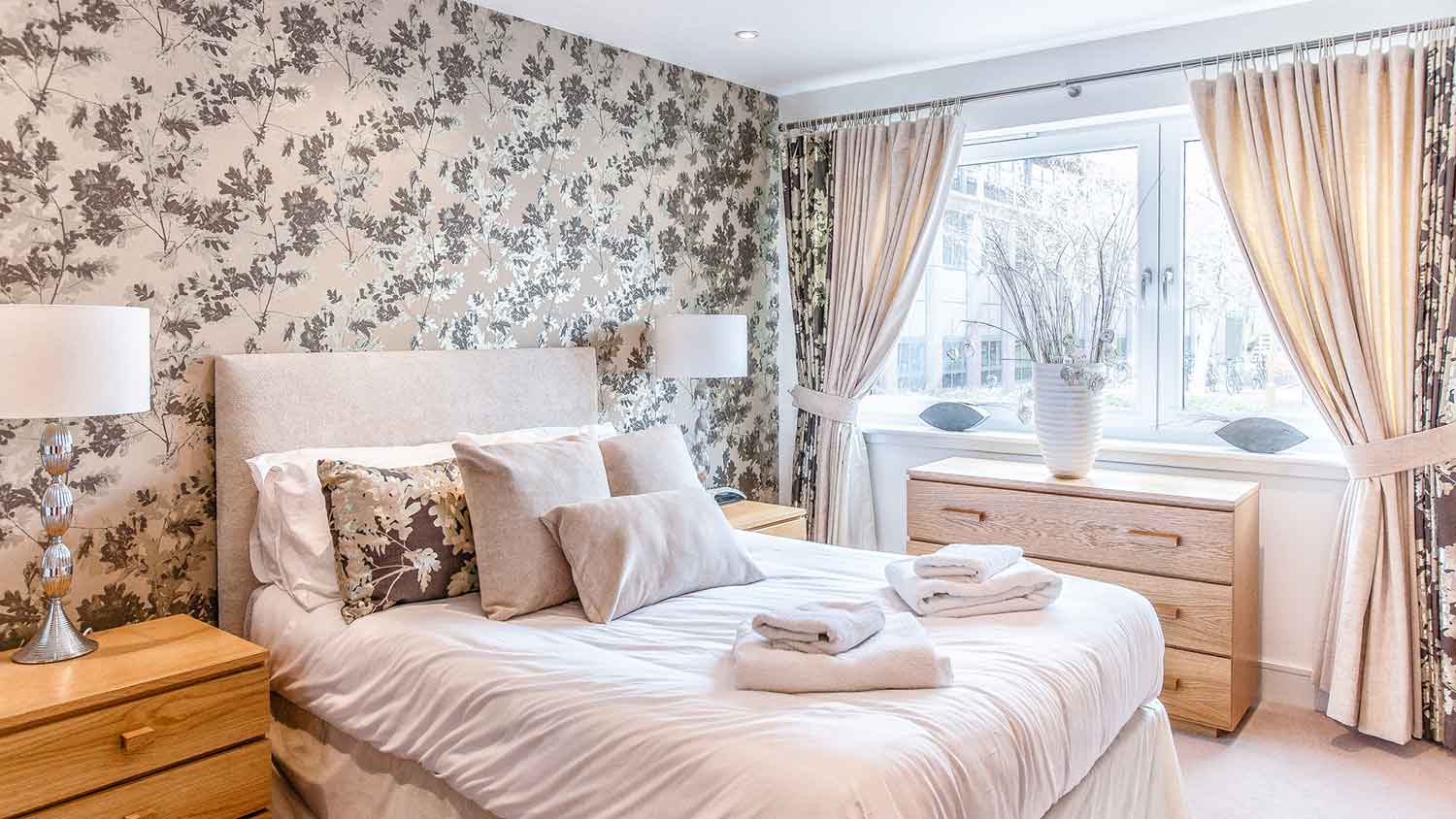
Discover wallpaper installation cost. Learn about material, labor, and project factors to estimate your budget and make informed choices for your home.
Planning a room update? Learn about the wallpaper removal process, costs to expect, and how to find and hire the right local pro for a paint-ready finish.
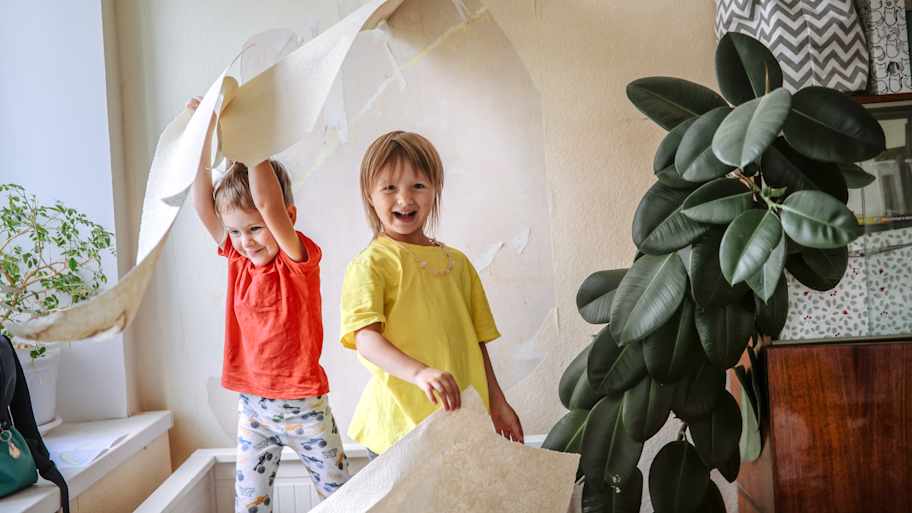
Wallpaper removal requires physical labor and can be a sticky mess. Consider these tips on the best ways to remove wallpaper to make the process as smooth as possible.