"I only use James when I need some work done to my house. He responds fast, gets the work done quicker than just about anyone else I've ever used and seems very concerned with leaving his customers happy."
The cost varies from $1 to $3 per square foot, depending on the type of wallpaper, the wall condition, and the labor involved.
Professionals handle heavy lifting, proper disposal, and recycling, reducing environmental impact.
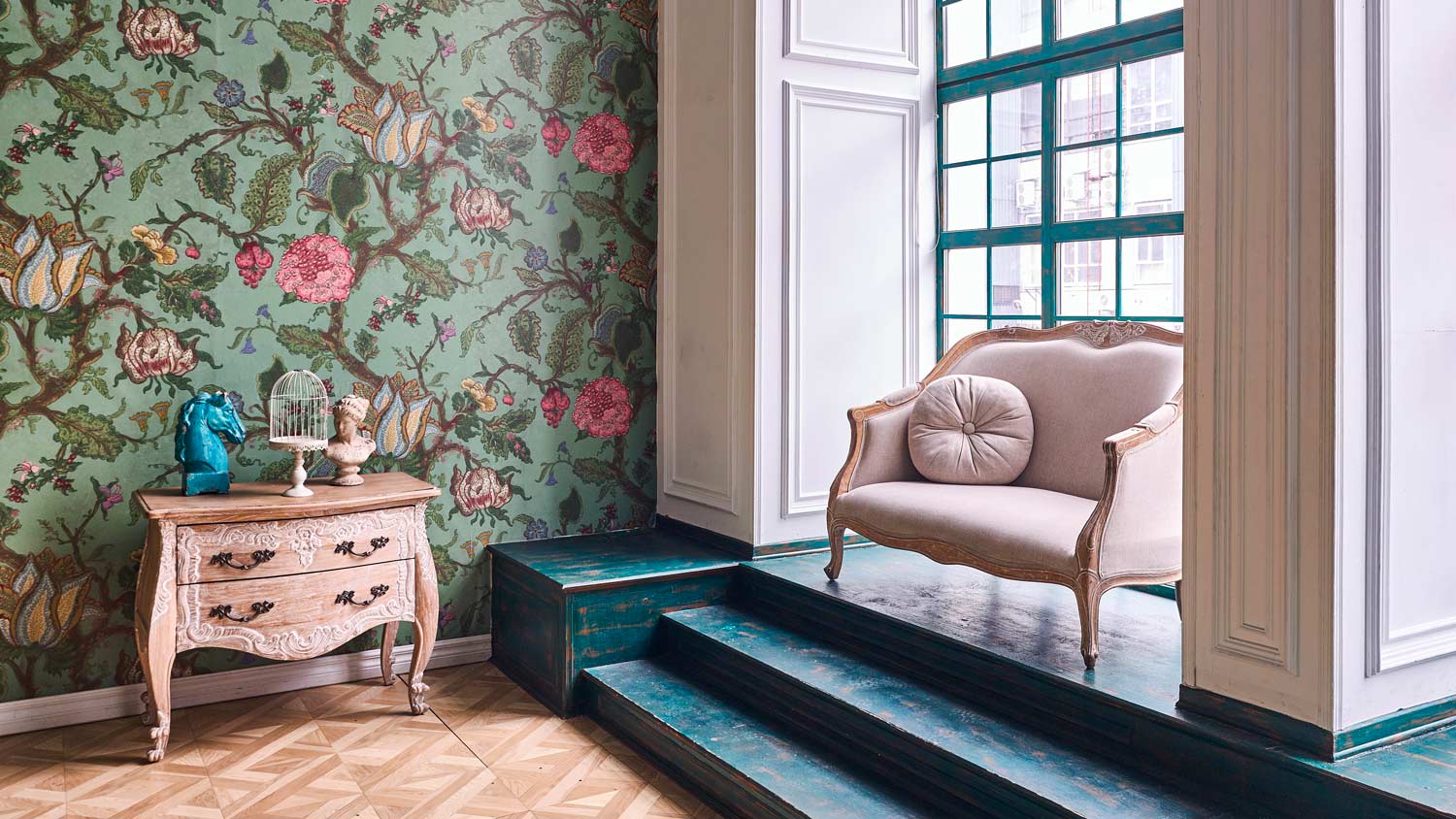
Accent walls can feel out of place or distracting if not well designed. Accent walls that don’t fit in with a room’s style can feel jarring or overpowering. Some accent wall styles can also feel dated, but fortunately, it’s easier to update a single wall than an entire room.
While textured walls can elevate a space in many ways, there are a couple of downsides to consider. Namely, they’re hard to clean, and some textures fall out of fashion quickly. Make sure to consider all your options to find one you truly love before diving in.
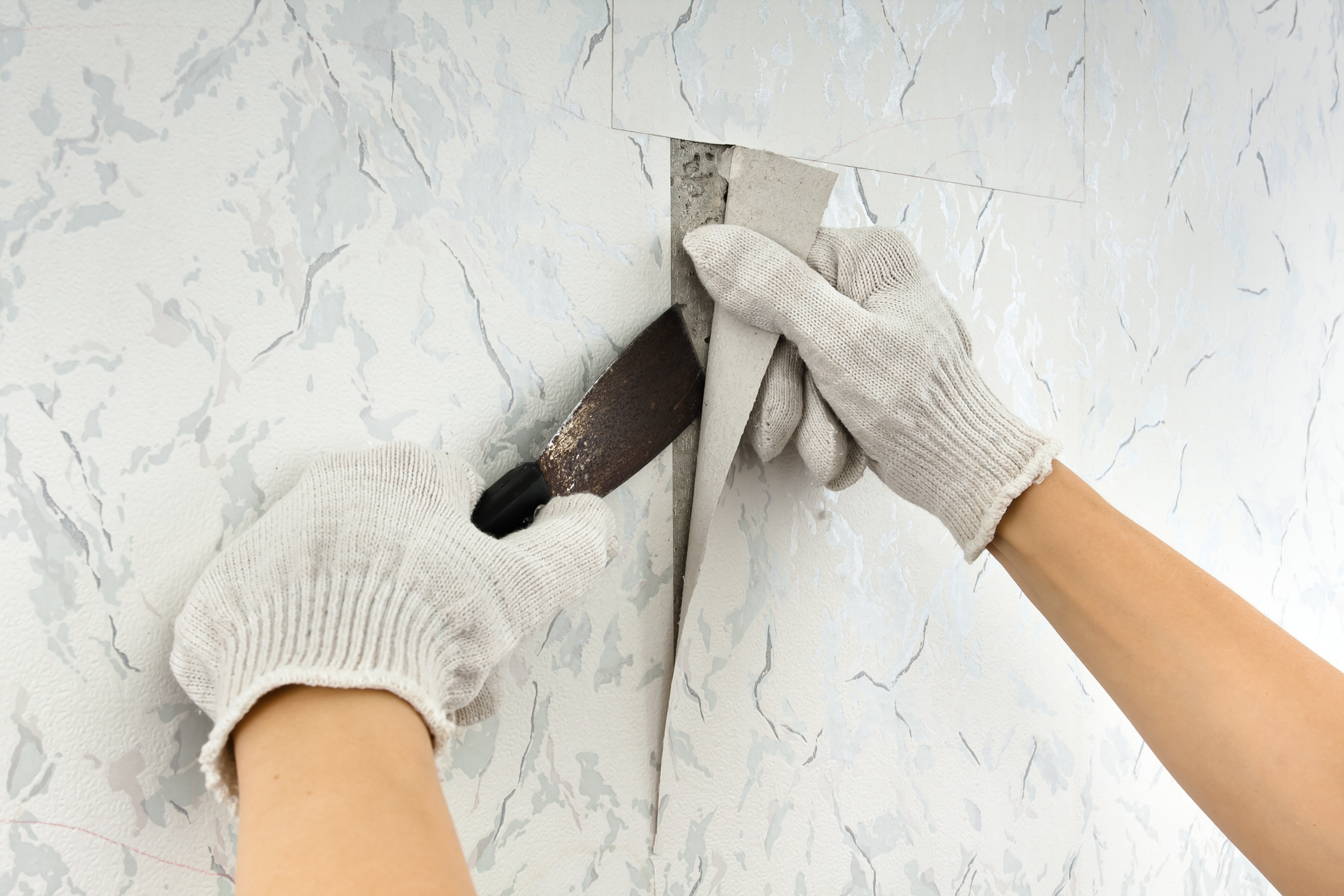
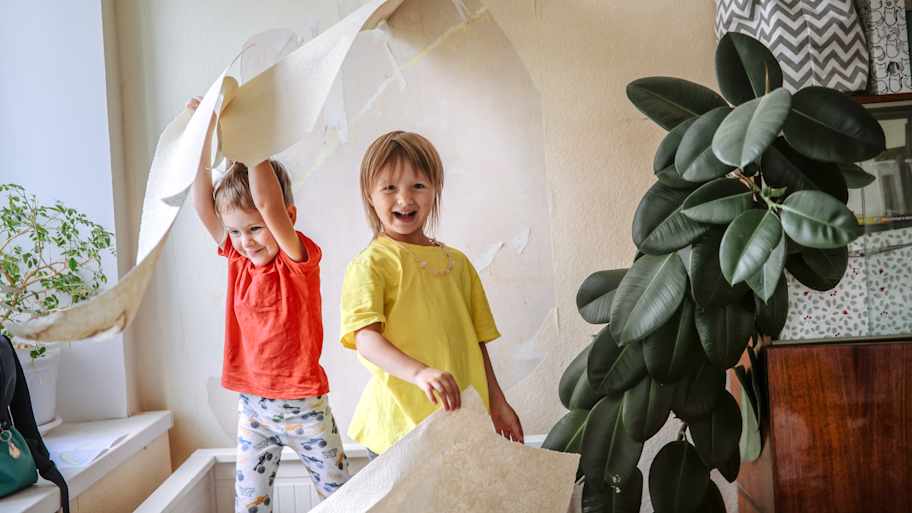
Removing wallpaper can be easy if you have a non-coated wallpaper, but most homeowners have vinyl-coated wallpaper, which is more durable but tears very easily during the removal process. This feature makes it challenging and time-consuming to remove most wallpaper. There are tools to speed up the process, like steamers, but, unfortunately, it’s easy to permanently damage your walls when using them. In most cases, it’s best to hire a professional wallpaper remover to get the job done quickly and without damaging your home.
The Ashley, ND homeowners’ guide to wallpaper removal services
From average costs to expert advice, get all the answers you need to get your job done.
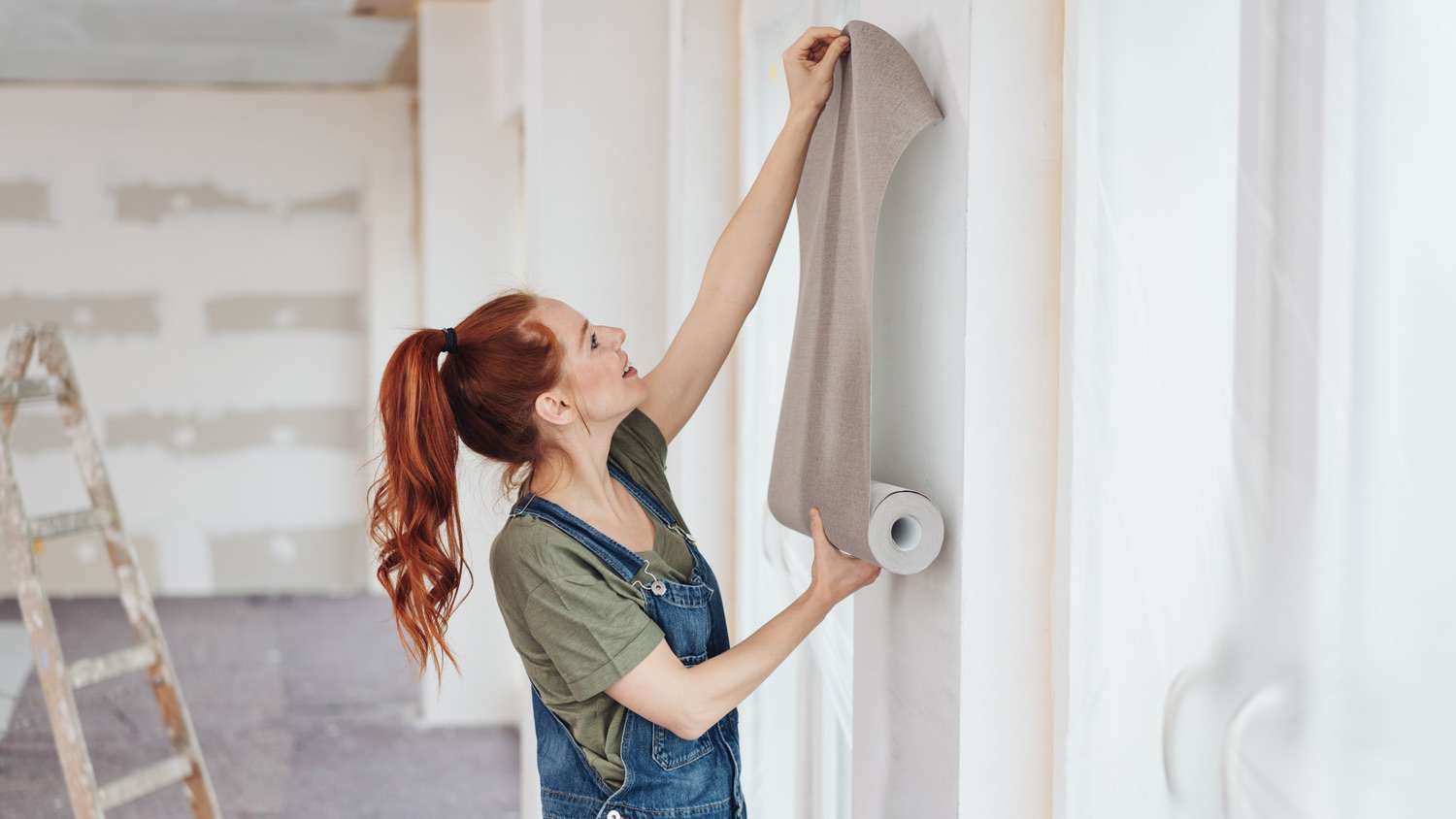
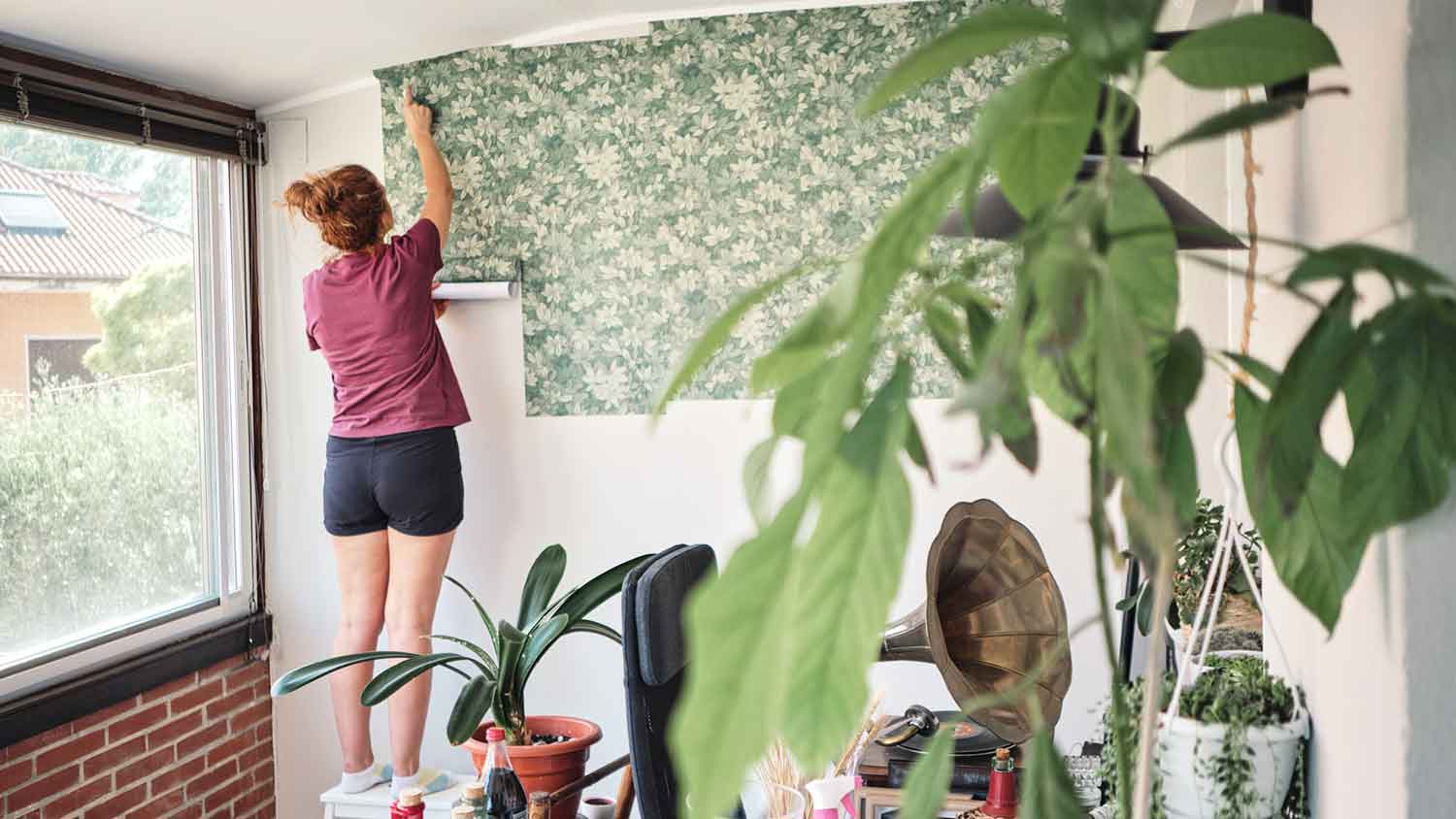
Discover wallpaper installation cost. Learn about material, labor, and project factors to estimate your budget and make informed choices for your home.
Planning a room update? Learn about the wallpaper removal process, costs to expect, and how to find and hire the right local pro for a paint-ready finish.
Taking down wallpaper is a tedious and time-consuming job. Here are some tips on how to hire someone to remove wallpaper for you to make your life easier.