


Top-rated radon detection and reduction specialists.

Get matched with top radon detection and reduction specialists in Charlson, ND

Enter your zip and get matched with up to 5 pros

Need a pro for your radon detection and reduction project in Charlson, ND?

Select your specific project to find the pro for you.

Find Radon detection and reduction specialists in Charlson

Avatar for SGS-Hale Grounding
SGS-Hale Grounding
2.0(
1
)

Serving Charlson, ND and surrounding areas

In business since 2021

Free estimates

Warranties offered

We are committed to excellence in every aspect of our business. We uphold a standard of integrity bound by fairness, honesty, and personal responsibility. Our distinction is the quality of service we bring to our customers. Accurate knowledge of our trade combined with ability is what makes us true professionals. Above all, we are watchful of our customers' interests, and make their concerns the basis of our business.\n

My Work
My Work
My Work
My Work
My Work

+2

Response time5 hrs
Radon Detection and Reduction questions, answered by experts

You can vent radon out of your house sometimes by simply opening a window, but it won’t remove the source, and will likely rise above recommended levels quickly. A professional will be needed to assess your home, and determine the best strategy for radon removal. Active radon sump pumps and soil depressurization systems are often used to forcefully vent the radon from your home.

Mitigation can take several days depending on home setup, equipment accessibility, and achieving effective diffusion system sealed efficiency.

No level of radon is technically safe, but since it is naturally present everywhere, it is impossible to avoid entirely. The average radon level in homes across the United States is 1.3 picocuries per liter (pCi/L). The Environmental Protection Agency (EPA) recommends taking action to reduce radon levels if your home's test results are between 2 and 4 pCi/L or higher.

Radon enters your home when warm air begins to rise and exits through the roof, creating a vacuum that pulls cooler air from under the foundation. Part of that air is radon, which is an invisible, odorless gas that develops naturally when radioactive particles are deep within the ground. Those particles usually come from decaying matter in soil and rocks.

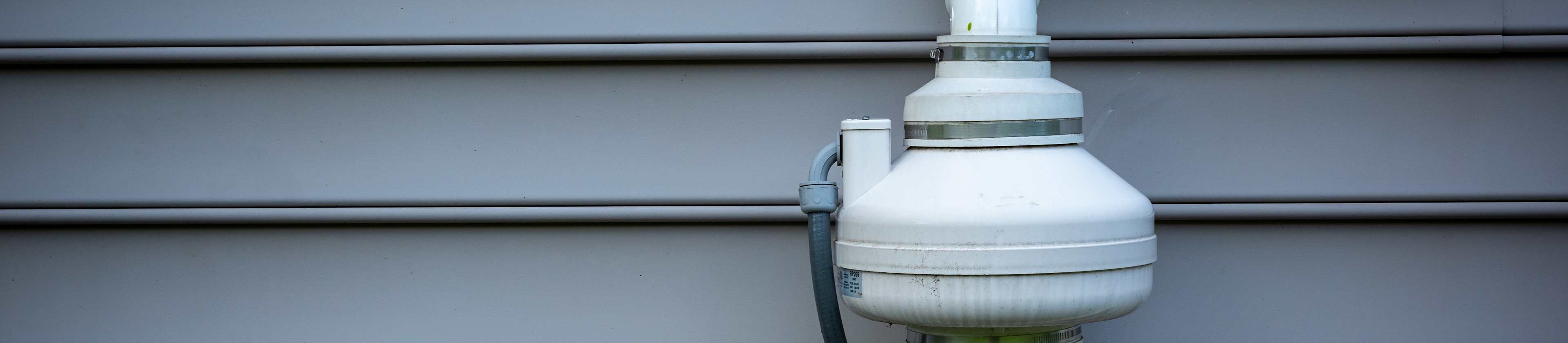
The fan that pulls the radon out of the air needs to run continuously, so you may see an increase in your electric bill once you install the mitigation system. Additionally, you may see an increase in your heating or cooling bills, as the fan can cause some loss of hot or cool air.

The Charlson, ND homeowners’ guide to radon detection and reduction services

From average costs to expert advice, get all the answers you need to get your job done.