Using less toilet paper is the easiest way to prevent future clogs. Also, avoid flushing sanitary products, thick paper towels, or hair down the toilet. If you’ve been using a brick in the tank to reduce the water used to flush the toilet, take it out immediately. Bricks will eventually fall apart and clog your toilet drain. Keeping your toilet lid closed also helps avoid future clogs.
Depending on the home, wastewater either goes into a septic tank and seeps back into the backyard or is sent via sewer system to a local sewage-treatment plant. Septic systems naturally separate different components of the waste so that it can naturally and safely disperse it. They are usually reserved for homes not served by a municipal sewage department (like rural homes). A treatment plant, on the other hand, speeds up that process through screening and purification.
In the majority of cases, homeowners insurance will not cover a main sewer line root clog. The reason is that most insurance companies consider tree root damage to sewer lines as common wear and tear, which is also preventable. However, you may be able to buy optional add-on coverage, such as "service line coverage" or "sewer line endorsements," that would protect against root damage to your sewer line.
Simple blockages can be cleared using household plungers or manual snakes, provided no severe plumbing issues exist.
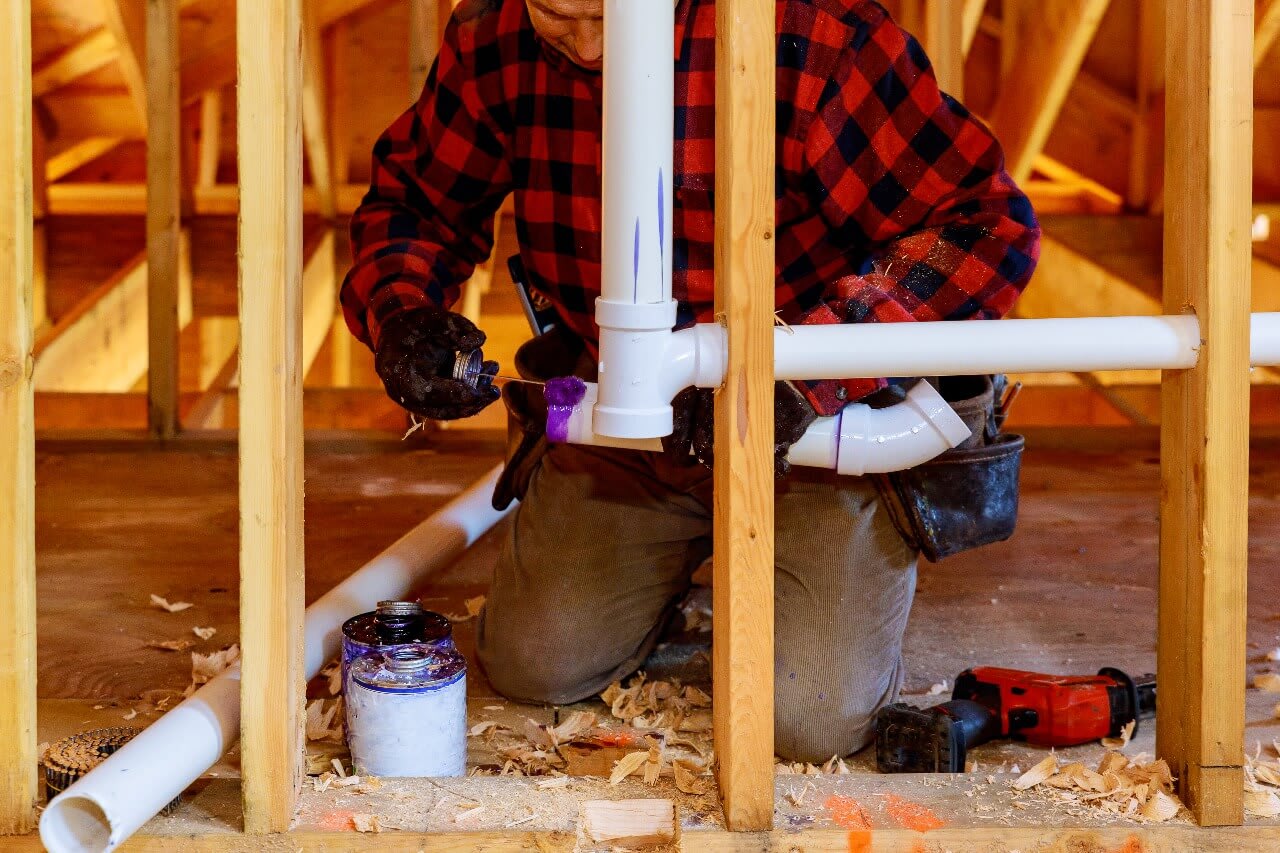
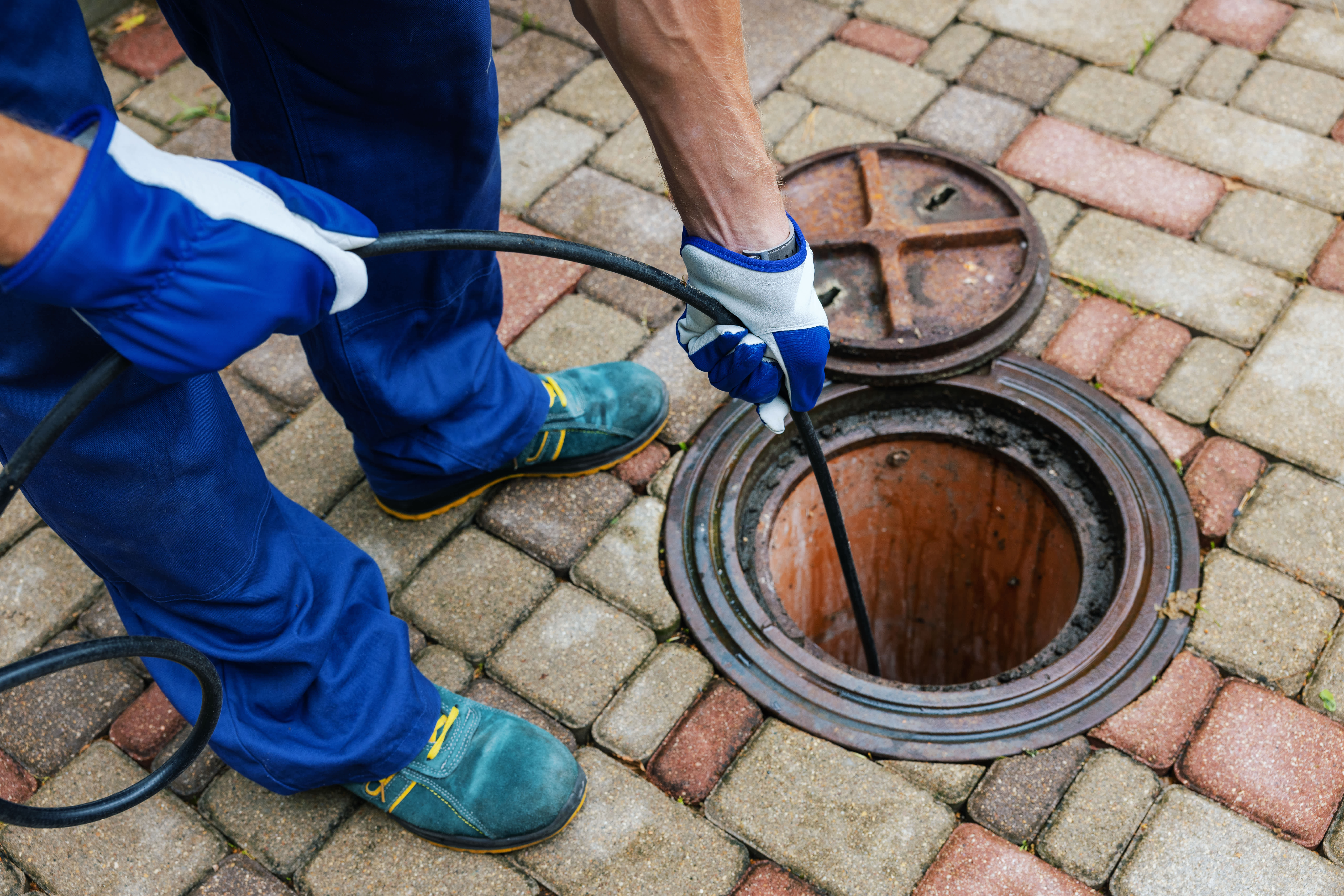
A professional drain cleaner is a plumber or specialized drain cleaner with the necessary tools to unclog drains and tiles to keep waste water flowing out to the septic tank or city sewer for processing. Keeping wastewater from backing up into your home helps keep you and your family safe from potential contamination and sickness. These pros can help resolve nearly any drain situation in a safe and efficient manner.
The Bowman, ND homeowners’ guide to sewer cleaning services
From average costs to expert advice, get all the answers you need to get your job done.
A clogged main sewer line can lead to gas or wastewater leaks. Find out what main sewer line clog repair costs by type of service, clog severity, and more.
The best way to keep your sewer line running smoothly is with some regular maintenance. But don’t worry—it doesn’t take much effort. Read on to learn how.