Doorbell Installation questions, answered by experts
Professionals can install a radiant barrier in a day or two, but DIY installation will take several days. The time it takes to install a radiant barrier depends largely on the size of the space and the installation method. Larger homes can take a pro two to three days to finish the job. It’s also quicker to lay foil over existing insulation.
Yes, insulating ductwork in a crawl space is a worthwhile investment, especially if you live in a colder climate or run your air conditioning for most of the year. Uninsulated ducts can lose up to 30% of their heating and cooling efficiency, which can significantly impact your electricity bill. The project is a relatively small investment and typically only takes a few hours. It's a particularly simple add-on if you are already hiring someone to insulate the entire crawl space. An added benefit is that insulated ducts put off less hot or cold air, making them less attractive to pests.
It is usually possible to install insulation yourself, but it’s often better to hire an insulation professional. An experienced insulation pro can determine which type of insulation is best for your space and the R-value get the most value and comfort in your home. Certain types of insulation can cause skin, eye, and lung irritation, and a professional will have the equipment necessary to keep themselves safe and limit the effect on your indoor air quality after the installation. Certain types of insulation—like blown-in and loose-fill insulation—demand a professional for proper functionality and safe installation.
The time required for insulation installation can range from a few hours to a few days, with most projects taking 1-3 days to complete. The final duration depends on the project's size and complexity, the area size, and the type of insulation being installed.
The best type of insulation for your home depends on your specific needs, climate, and the area you are insulating. For new construction, structural insulated panels are a highly energy-efficient option that is easy to install during the building process. In very warm climates, reflective insulation can be a cost-effective choice. For cold climates, fiberglass is an excellent option due to its high R-value and resistance to settling over time. Spray foam works well in humid environments because of its moisture-resistant properties. For standard attics, loose-fill, spray foam, or blown-in insulation are all suitable options.
The Bowman, ND homeowners’ guide to doorbell installation services
From average costs to expert advice, get all the answers you need to get your job done.
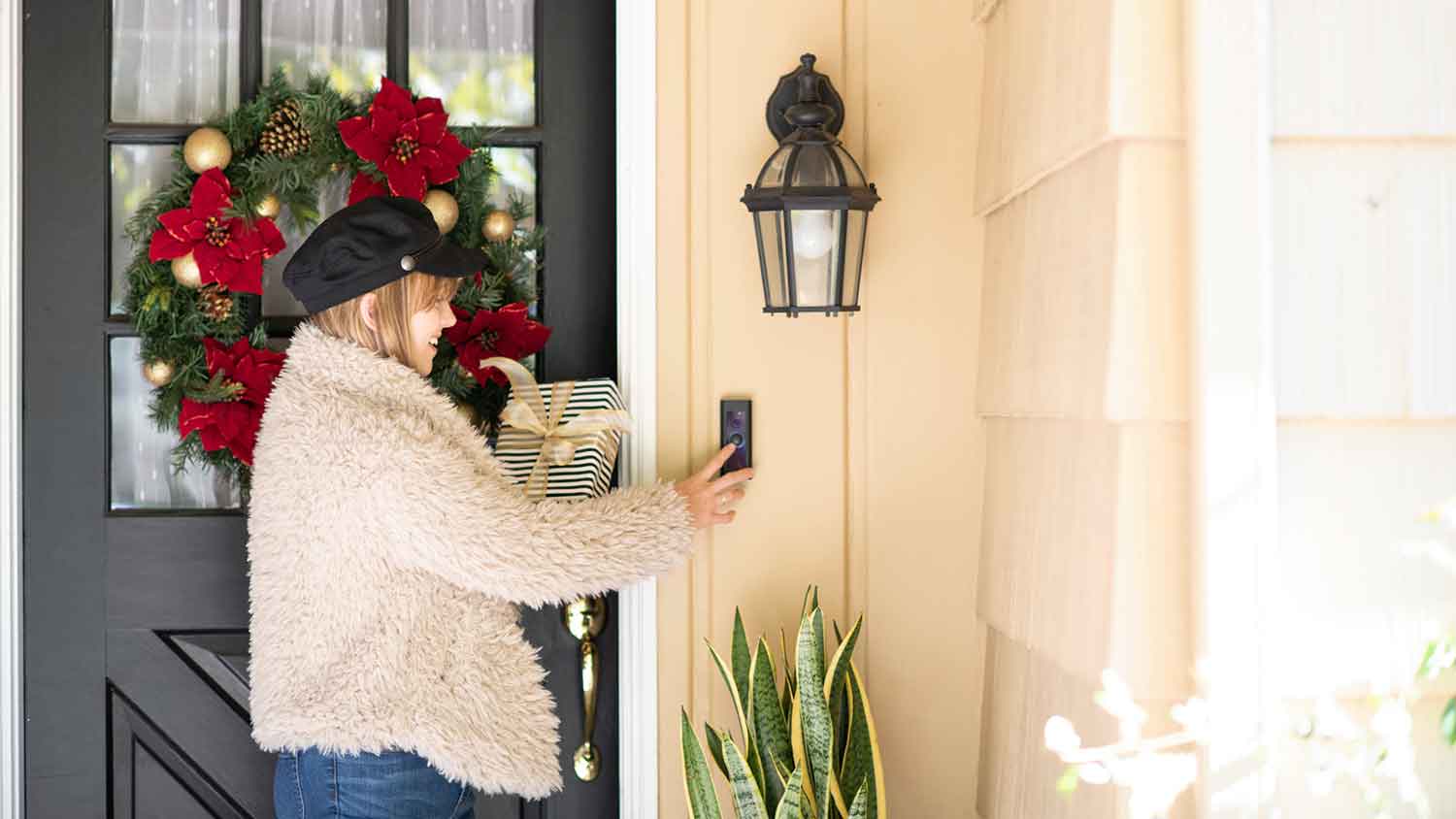
Ring a bell? From replacing a wired doorbell to setting up a smart home system, learn about typical doorbell installation costs, including materials and labor.
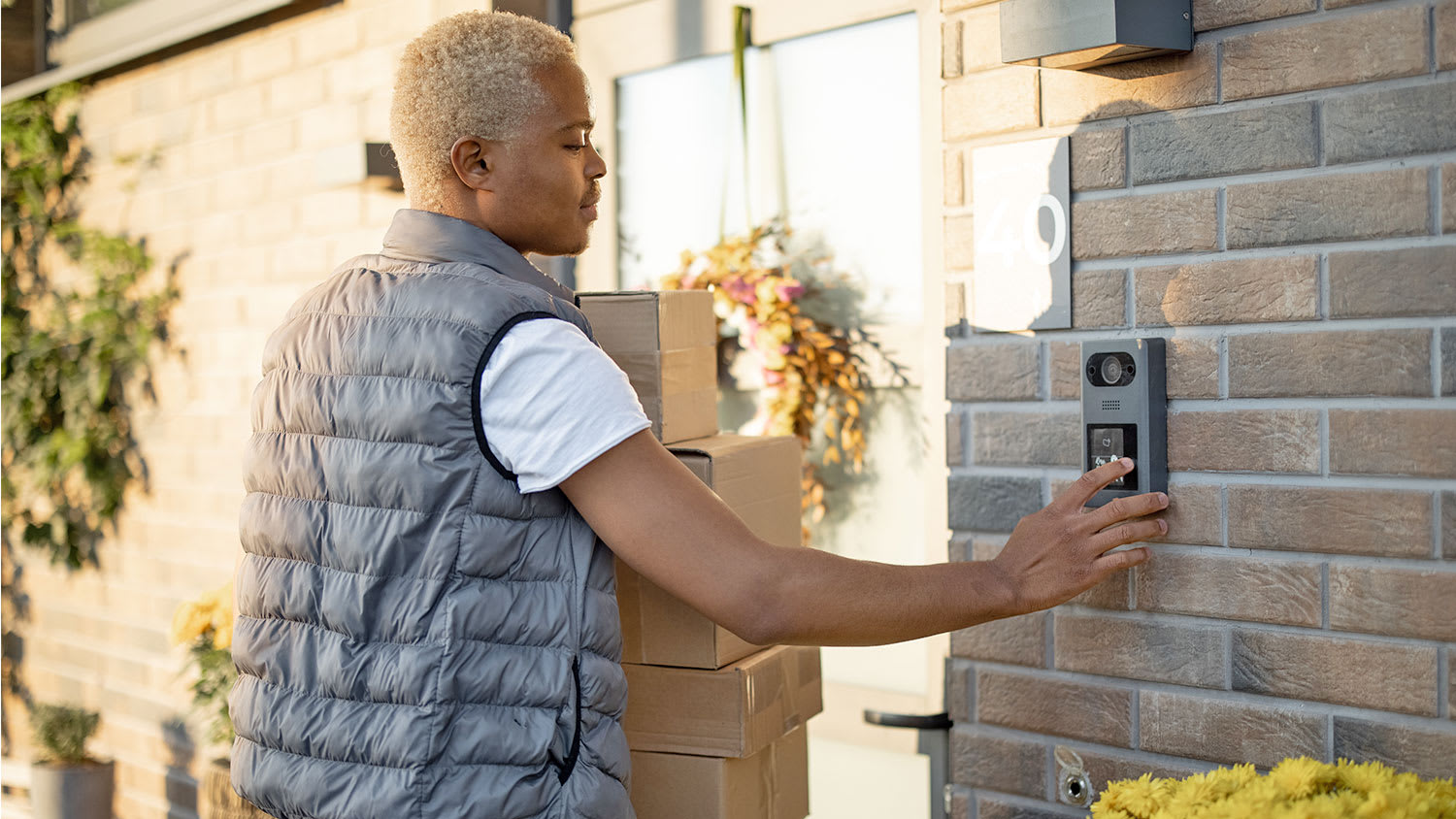
How much does it cost to install a doorbell camera? It depends on whether you plan to DIY or hire a pro. Learn about different models and their power sources, too.
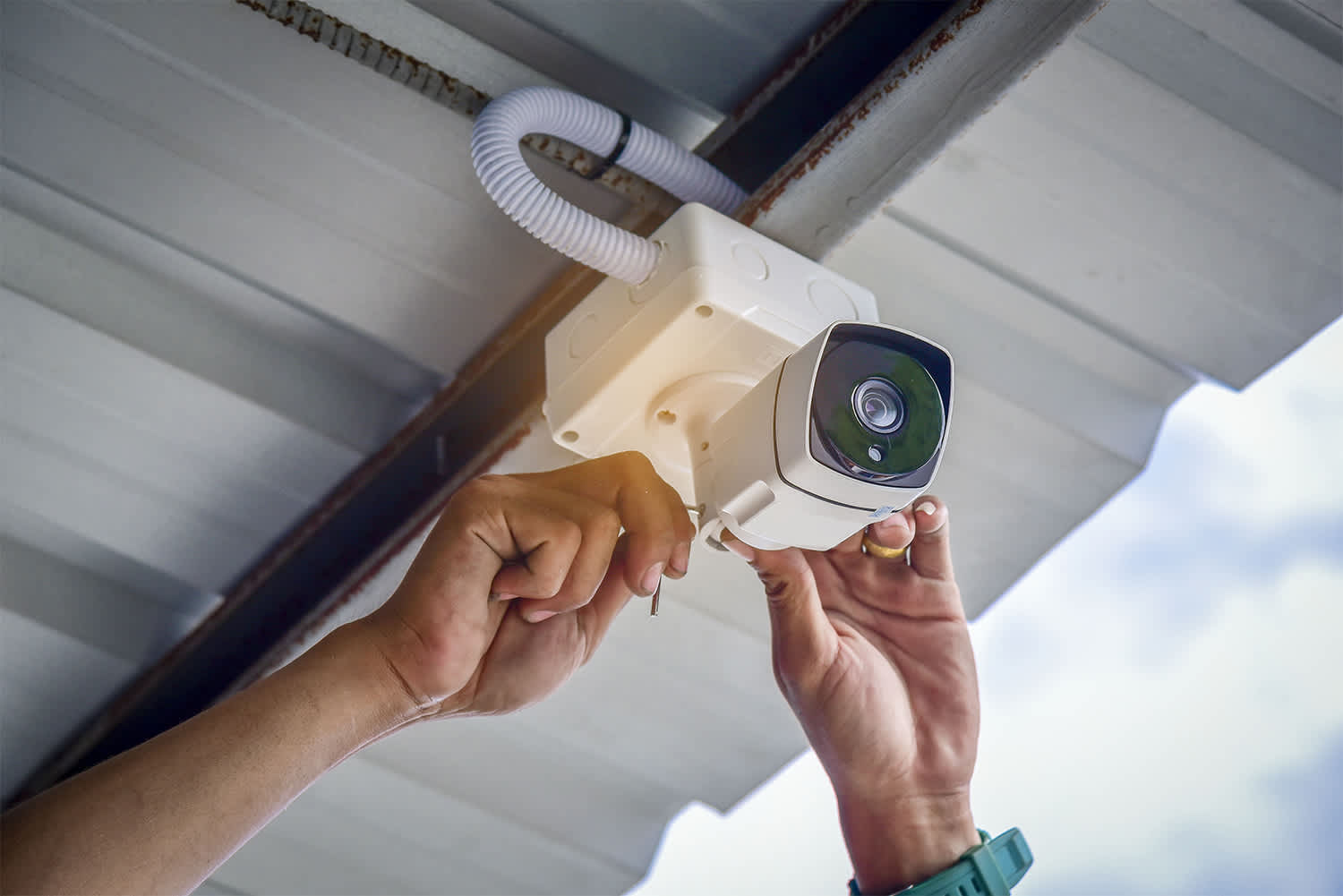
Doorbell wiring is a project you can DIY. This guide covers everything you need to know, from different types of doorbells to wiring, and how to remove an old doorbell.

Ready to upgrade your front door and learn how to wire a doorbell? You may be able to handle this relatively simple DIY installation without an electrician.