Doorbell Installation questions, answered by experts
Monolithic slabs don’t require insulation, but many homeowners choose to have their contractors install insulation under the slab during construction. This can help improve home efficiency even more and keep indoor temperatures more stable. Slab foundations are more energy-efficient than uninsulated crawl spaces and basements, and insulated slab foundations are more energy-efficient than insulated crawl spaces and basements.
If you need to insulate behind finished walls, the best option will likely be to have an insulation professional install blown-in insulation. The installation requires small holes cut in your wall, after which the installer can blow loose-fill insulation into the void. After the installation, you’ll have minor drywall patching, which shouldn’t cost more than $100. Compared to ripping down the existing drywall, using a different type of insulation, and replacing and finishing the drywall, this should save you hundreds or even thousands, depending on the size of the room you’re insulating.
The life span of insulation is between 20 and 100 years. At that time, existing insulation can fall victim to gravity, resulting in compression, which reduces its insulating protection or R-value. If you can't simply add more insulation over the existing material, removing the old to increase the effectiveness of the new can reduce your energy bills and make the project worth the time and money investment.
Spreading tin foil over your windows works similarly to radiant barrier insulation, but not as well. It will reflect some of the sunlight that would otherwise come through the glass and warm up the inside of your home, so it might help a little to keep your home cool in the summer. However, the appearance isn’t preferable to blinds or drapes that can offer the same benefits. You might also consider tinting your windows instead, which is a more aesthetically pleasing change that can still block a good portion of the solar heat coming through your windows.
When installing board and batten siding, make sure there is wall sheathing and a moisture-resistant barrier installed. Behind that sheathing should be plywood or OSB for you to nail the boards and battens into. If there isn’t plywood or OSB, you can install vertical furring strips at 1½- to 2-foot intervals to nail the boards and battens to.
The Mott, ND homeowners’ guide to doorbell installation services
From average costs to expert advice, get all the answers you need to get your job done.
Ring a bell? From replacing a wired doorbell to setting up a smart home system, learn about typical doorbell installation costs, including materials and labor.
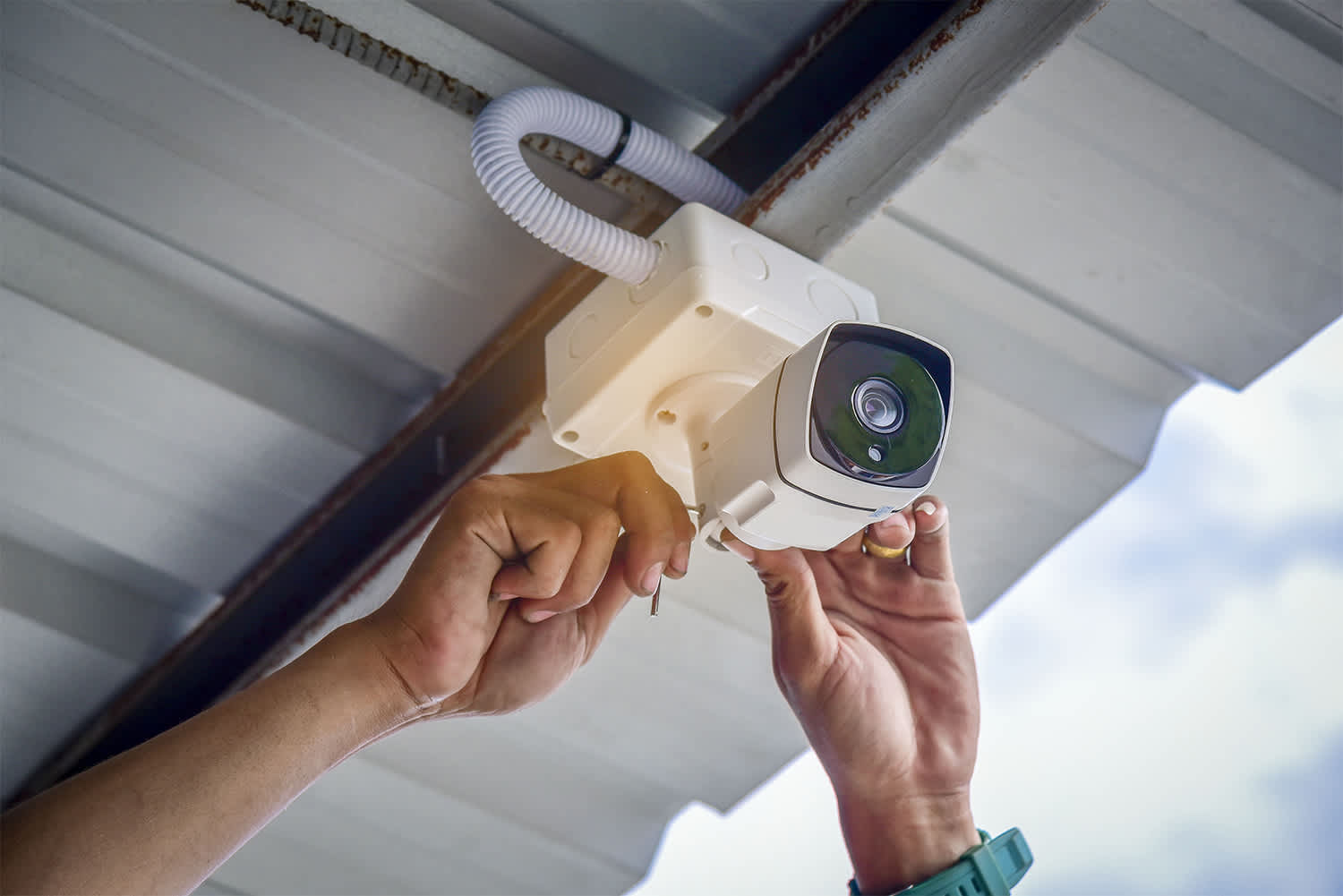
How much does it cost to install a doorbell camera? It depends on whether you plan to DIY or hire a pro. Learn about different models and their power sources, too.
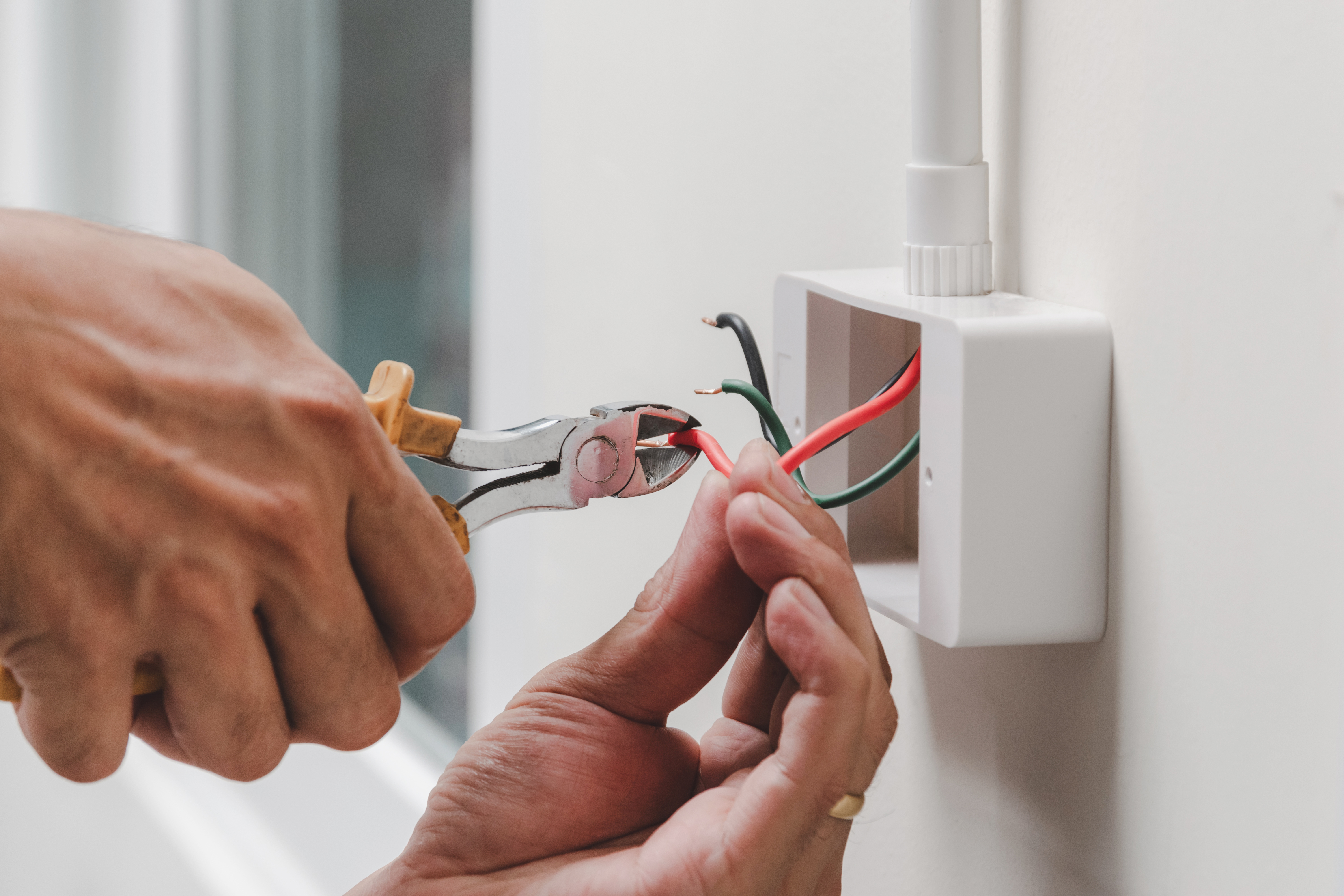
Doorbell wiring is a project you can DIY. This guide covers everything you need to know, from different types of doorbells to wiring, and how to remove an old doorbell.

Ready to upgrade your front door and learn how to wire a doorbell? You may be able to handle this relatively simple DIY installation without an electrician.